
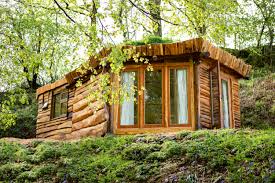
Introduction to Eco Cabins
Eco cabins are a revolutionary concept in sustainable living, offering a perfect blend of nature and modern design. These small, efficient homes are crafted with the intent to minimize the environmental footprint of traditional housing. As climate change concerns deepen and the need for greener alternatives grows, eco cabins emerge as a solution for those seeking a more environmentally responsible lifestyle. Whether you’re considering a permanent residence or a peaceful retreat, eco cabins are designed with energy-efficient technologies, sustainable materials, and self-sustaining systems. With features such as solar panels, rainwater harvesting, and composting toilets, these cabins make it easier than ever to live harmoniously with nature. They provide an eco-conscious alternative that doesn’t compromise on comfort or style, offering an inviting home for individuals, families, or travelers who care about sustainability and reducing their ecological impact.
| Feature | Description |
|---|---|
| Insulation | High-quality insulation maintains indoor temperature, reducing energy use. |
| Natural Ventilation | Strategically placed windows and vents allow fresh air to flow, reducing reliance on air conditioning. |
| Off-Grid Living | Eco cabins operate independently from utilities using renewable energy sources like solar and wind power. |
| Rainwater Harvesting | Collects rainwater for non-potable uses such as irrigation and flushing toilets. |
| Composting Toilets | Converts human waste into compost without water-based sewage systems, saving water. |
| Sustainable Materials | Uses recycled wood, locally sourced timber, and eco-friendly materials for construction. |
| Energy-Efficient Features | Solar panels, energy-efficient insulation, and water-saving systems lower energy and water bills. |
| Modular Design | Offers flexibility to expand or modify the cabin based on changing needs. |
| Cost of Building or Buying | Initial costs are higher, but long-term savings from lower utilities and maintenance offset the investment. |
| Eco Tourism | Eco cabins offer sustainable vacation rentals that promote eco-tourism and environmental responsibility. |
| Future Trends | Smart, energy-efficient cabins and modular designs are becoming popular, offering customization and automation. |
What Makes Eco Cabins Different?
What truly sets eco cabins apart from traditional homes is their unwavering commitment to sustainability throughout every phase of their construction. From the very first design sketch to the final build, every detail is carefully crafted with environmental preservation in mind. Unlike conventional homes, which often rely heavily on energy-consuming systems and non-renewable materials, eco cabins integrate smart, eco-friendly features that aim to minimize waste, conserve energy, and protect natural resources. These cabins are generally smaller in size, making them more energy-efficient and reducing the overall consumption of materials and energy. Many are built off-grid, meaning they operate independently of public utilities like water, electricity, and gas. This autonomy allows eco cabins to be entirely self-sufficient, drastically reducing their environmental impact. With features like solar energy, wind power, and rainwater collection, these cabins create a harmonious living environment that relies on the Earth’s natural resources, without depleting them.
Sustainable Materials Used in Eco Cabins
A cornerstone of eco cabin design is the use of sustainable materials that are carefully selected to have a minimal impact on the environment. Timber is one of the most common building materials, prized for its renewable nature. When sourced responsibly from certified forests, timber offers a carbon-neutral alternative to other construction materials. Recycled materials, such as reclaimed wood, repurposed metal, and recycled glass, play an equally important role in reducing waste. These materials breathe new life into old structures, preventing them from filling landfills and cutting down on the need for new raw materials. Another essential aspect of eco cabin construction is the local sourcing of materials. By purchasing materials from local suppliers, eco cabin builders drastically reduce the carbon footprint associated with transportation. Not only do these sustainable materials contribute to environmental conservation, but they also add an enduring quality to the cabins themselves. When properly cared for, eco cabins made from these materials can stand for decades, offering both eco-consciousness and lasting durability.
Energy-Efficient Feature
Energy efficiency lies at the heart of every eco cabin. These homes incorporate various renewable energy sources that allow them to operate independently and reduce their reliance on the electrical grid. Solar power is one of the most common energy solutions used in eco cabins, as solar panels installed on the roof capture sunlight and convert it into electricity. Some eco cabins also feature small wind turbines, which harness the power of the wind to generate clean energy. By relying on these renewable energy sources, eco cabins significantly reduce their carbon emissions and environmental footprint. Beyond the energy generation itself, eco cabins are meticulously designed with energy-efficient insulation and high-performance windows, which help to maintain a comfortable indoor temperature year-round. The combination of these energy-efficient features means less energy is needed for heating and cooling, ultimately saving both energy and money in the long run. Eco cabins thus provide a sustainable, cost-effective way to power homes while reducing our reliance on fossil fuels.
Water Conservation in Eco Cabins
Water conservation is another key pillar of eco cabin design. With water scarcity becoming an increasing concern globally, eco cabins are equipped with innovative systems that ensure water is used as efficiently as possible. One such system is rainwater harvesting, where the roof of the cabin collects rainwater, which is then stored in tanks for later use. This water can be used for non-potable purposes like irrigation, washing, and flushing toilets, dramatically reducing the need for municipal water systems. Additionally, many eco cabins feature composting toilets, which process human waste without using water. This sustainable approach to waste management not only conserves water but also prevents harmful chemicals from entering local water supplies. By using rainwater and composting toilets, eco cabins minimize their environmental footprint and contribute to water conservation efforts. These systems help preserve precious water resources while enabling residents to live off the grid with minimal reliance on external water sources.
The Role of Insulation and Natural Ventilation
In the quest for energy-efficient living, the role of insulation in eco cabins cannot be overstated. High-quality insulation serves as the barrier that helps to maintain a steady, comfortable indoor temperature. During the colder months, it traps heat within the cabin, reducing the need for heating systems. Conversely, in the warmer months, it prevents the outdoor heat from entering, keeping the cabin cool and comfortable. The best eco cabins use insulation made from eco-friendly materials such as recycled denim, natural wool, or cellulose, all of which have minimal environmental impact and offer excellent thermal performance.
Natural ventilation is another key feature that enhances indoor comfort while conserving energy. Instead of relying on air conditioning or excessive heating, eco cabins are designed to encourage air flow. Large windows, strategically placed vents, and open floor plans allow fresh air to circulate naturally through the space. These elements ensure a constant supply of fresh, cool air during warmer days, reducing the need for mechanical cooling systems. Together, top-notch insulation and natural ventilation make eco cabins not only energy-efficient but also more cost-effective and environmentally friendly in the long run.
Off-Grid Living: A Closer Look
The term “off-grid” refers to a lifestyle where a home operates independently from public utility systems. In eco cabins, this means that energy is primarily derived from renewable sources such as solar panels and wind turbines, while water is harvested through rainwater collection systems. By not relying on municipal services, off-grid eco cabins significantly reduce their environmental impact and give their owners a sense of independence from traditional utility grids.
The benefits of off-grid living are far-reaching. First, it eliminates dependency on fossil fuels, reducing both carbon emissions and energy costs. Second, it promotes resource conservation, especially in areas where resources like water or electricity are scarce or overburdened. Finally, off-grid living fosters a deeper connection to nature and a simpler, more sustainable lifestyle. Many eco-conscious individuals appreciate this way of life, as it allows them to reduce their ecological footprint while embracing self-sufficiency and environmental stewardship.
Eco Cabins for Vacationing: A Sustainable Getaway
The world of eco tourism has seen a significant surge, and eco cabins have become a sought-after accommodation choice for environmentally conscious travelers. Unlike traditional hotels or vacation homes, eco cabins are designed to minimize their environmental impact while providing guests with an unforgettable, nature-immersed experience. Whether nestled in the heart of a forest, beside a tranquil lake, or tucked away in the mountains, eco cabins provide the perfect setting for a peaceful retreat.
Vacationing in an eco cabin not only reduces your environmental footprint but also supports sustainable tourism efforts. These cabins typically feature energy-efficient systems, such as solar power and rainwater harvesting, to minimize resource consumption. Staying in eco cabins enables travelers to enjoy modern comforts without sacrificing their eco-friendly principles. For those seeking a greener way to travel, eco cabins are a perfect option, offering a sustainable escape that allows guests to reconnect with nature in a truly authentic way.
Cost of Building or Buying an Eco Cabin
While building or purchasing an eco cabin may involve a higher initial investment than a traditional home, the long-term savings make it a financially wise decision. Eco cabins are built with energy-efficient materials and systems, which significantly reduce utility bills. Solar panels, high-quality insulation, energy-efficient windows, and water-saving technologies, such as rainwater harvesting systems and composting toilets, all contribute to lower energy and water consumption. These features result in substantial savings over time, making eco cabins an attractive investment for those looking to save on utilities while living sustainably.
The cost of building an eco cabin depends on several factors, such as location, size, design features, and the materials used. Eco cabins built in remote or hard-to-reach locations may incur higher transportation costs for materials, while cabins in popular eco-tourism destinations may come with a premium price tag due to demand. However, as eco-friendly living becomes more mainstream, the affordability of eco cabins is expected to improve, especially as sustainable materials become more widely available. Additionally, long-term savings from lower utility costs and minimal maintenance make eco cabins an economical choice for the future.
The Future of Eco Cabins: Trends and Innovations
The eco cabin industry is undergoing rapid growth and innovation. With increasing demand for sustainable living solutions, new trends are emerging that further enhance the eco-friendliness, efficiency, and affordability of these homes. Smart eco cabins are one such trend, incorporating automation and intelligent systems to optimize energy use. These cabins can monitor energy consumption, control heating and cooling, and even adjust lighting and water usage based on real-time conditions, all without sacrificing comfort.
Modular eco cabins are also gaining traction, offering flexibility and scalability in design. These cabins can be easily expanded or modified to meet changing needs, making them ideal for families or individuals who anticipate future growth or lifestyle changes. Furthermore, as new advancements in renewable energy technologies and sustainable building materials continue to emerge, the eco cabin industry will only become more accessible and efficient. Innovations in insulation materials, solar panels, and water-saving technologies will ensure that eco cabins continue to evolve as one of the most sustainable, cost-effective housing options available.
Conclusion: Why Choose an Eco Cabin?
Choosing an eco cabin offers a wealth of environmental, economic, and lifestyle benefits that make it an appealing choice for those seeking to embrace a greener way of life. By incorporating energy-efficient insulation, natural ventilation, renewable energy sources, and water conservation systems, eco cabins offer an unparalleled level of sustainability without compromising on comfort. Whether you’re looking for an off-grid retreat or a vacation getaway, eco cabins provide a self-sustaining and eco-friendly alternative to traditional homes and accommodations. Additionally, the long-term savings on utility costs and minimal maintenance required make eco cabins a smart financial choice. By investing in an eco cabin, you are not only improving your quality of life but also contributing to a more sustainable and environmentally conscious future.
