
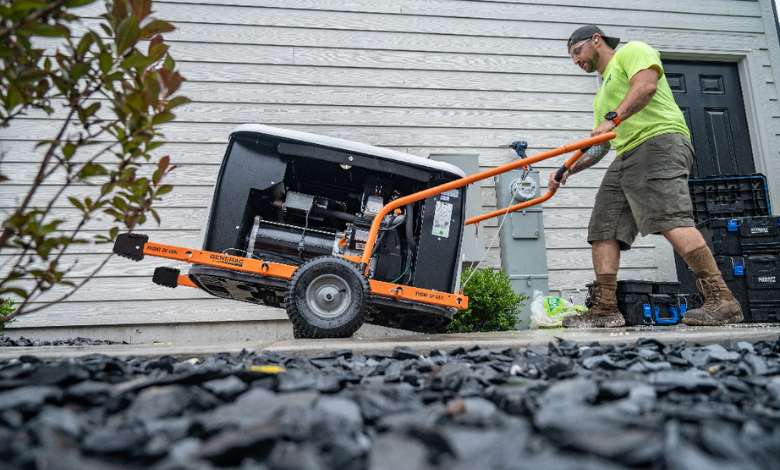
Power outages and load shedding can disturb daily life at home. Lights go off, fans stop, fridges lose cooling, internet shuts down, and water motors may stop working. That is why a reliable backup power system is important for many homes, especially in areas where electricity supply is not always stable.
A generator helps by supplying power when the main electricity is unavailable. It can run selected appliances or support the full home, depending on its size and setup. However, home generator installation is not a simple DIY job. It involves electricity, fuel, wiring, and safety checks, so professional installation is always the safer choice.
What Is Home Generator Installation?
Home generator installation means placing a generator outside the house and connecting it to the home’s power system. The generator is usually installed in an open, safe, and ventilated area where exhaust gases can move away from the house.
The unit is connected to a fuel source such as natural gas or diesel. It is also connected to the home’s electrical system through a transfer switch, which safely controls the power supply between the main utility line and the generator.
Also Read: The Timeless Elegance of Gessolini: A Versatile and Durable Design Choice for Modern Interiors
How Does a Home Generator Work?
A home generator works as a standby or backup power source. When the main electricity goes out, the generator provides power to appliances, lights, fans, ACs, fridges, water pumps, and other important electrical items.
The power supply can be limited to selected circuits or connected to the full home, depending on the generator size and wiring setup. A proper load calculation helps decide how much power your home needs during an outage.
Power Backup During Outages
During an outage, the generator starts and begins producing electricity. This electricity is then supplied to your home through safe wiring and a transfer switch. The system helps keep important appliances running until the main power returns.
For example, a smaller setup may power lights, fans, a fridge, and internet devices. A larger standby generator may run AC units, motors, kitchen appliances, and more household equipment.
Manual vs Automatic System
A manual generator system needs the homeowner to start the generator by hand. The user may also need to switch the power source manually. This setup is usually more affordable but requires someone to operate it during a power cut.
An automatic system uses an automatic transfer switch. When the main power fails, the system starts the generator automatically. When utility power returns, it switches back safely without needing manual action.
Choosing the Right Generator Size
Generator size is usually measured in kVA. In simple words, kVA shows how much electrical load the generator can handle. Common home generator sizes may range from 10 kVA to 100+ kVA, depending on the property size and power needs.
A small home may only need a lower kVA generator for lights, fans, fridge, and basic appliances. A large home with ACs, water motors, deep freezers, and multiple rooms may need a bigger unit. A professional installer should check your total load before recommending the right size.
Also Read: Best Wall Paint for Small Rooms – Colors, Finishes, and Expert Tips
Main Steps in Home Generator Installation
The installation process includes planning, placement, fuel connection, wiring, and testing. Each step must be handled carefully because a generator deals with both power and fuel. A mistake can create safety risks.
A professional team usually starts with a site visit and ends with final testing. This ensures the generator runs properly, supplies stable power, and does not create problems for your appliances or home wiring.
1. Site Assessment
The technician first checks your home’s power needs. They inspect your appliances, main electrical panel, wiring condition, available outdoor space, and fuel access. This helps them understand what type and size of generator is suitable.
They also choose a safe outdoor location. The generator should not be too close to windows, doors, or closed areas because it releases exhaust gases during operation.
2. Preparing the Generator Base
A strong base is important for stable installation. In many cases, a concrete pad is prepared before placing the generator. This keeps the unit level and protects it from ground moisture.
The base also helps reduce vibration during operation. A properly placed generator is safer, quieter, and more durable over time.
3. Fuel Line Connection
The generator is connected to a fuel source such as natural gas or diesel. If the generator uses natural gas, the fuel line must be properly fitted and checked for leaks. If it uses diesel, safe fuel storage and supply are important.
This step should never be done by an untrained person. A poor fuel connection can cause leakage, fire risk, or generator failure.
4. Transfer Switch Installation
A transfer switch connects the generator to the main electrical panel. It allows safe switching between utility power and generator power. This is one of the most important parts of the installation.
The transfer switch also prevents backfeeding, which is dangerous for electricians, appliances, and the power grid. Skipping this device can create serious safety problems.
5. Wiring to the Main Panel
After the transfer switch is installed, the generator is connected to the home’s main panel. The installer may connect selected circuits or the full electrical system, depending on your generator capacity.
Good wiring protects your appliances and reduces the risk of short circuits. It also helps the generator provide stable voltage during use.
6. Testing and Final Check
Once everything is connected, the installer tests the generator. They check fuel flow, voltage, load handling, transfer switch operation, and overall safety. This final check confirms that the system is working correctly.
The homeowner is also guided on basic operation. This may include starting, shutting down, checking fuel, watching warning signs, and scheduling maintenance.
Why Professional Installation Is Important
Generator installation involves fuel lines, heavy electrical wiring, transfer switches, and main panel connections. Wrong installation can cause fire, electric shock, fuel leakage, appliance damage, or poor generator performance.
Professional installers follow proper safety methods and use the right tools. They also make sure the generator is installed in a safe location with correct ventilation. A professionally installed system usually performs better and lasts longer.
Home Generator Installation in Karachi
Homes in Karachi often need reliable backup power because outages and load shedding can affect comfort, work, security, and daily routines. A properly installed generator helps families keep essential appliances running during power interruptions.
Services for home generator installation in Karachi may include site inspection, concrete pad preparation, fuel line connection, transfer switch setup, wiring to the main panel, and final testing. Many service providers also offer 24/7 support for repairs, emergency issues, and maintenance.
Also Read: Complete Guide to Fixing Broken Cabinet Doors: Tools, Tips, and Expert Advice
Safety Tips After Installation
Keep the generator outside in a well-ventilated area. Never place it inside a room, basement, garage, or closed space because generator exhaust can be dangerous. The unit should have enough open space around it for airflow.
Check fuel lines regularly, avoid overloading the generator, and schedule maintenance after fixed intervals. Keep children away from the unit and call a technician if you notice unusual noise, smell, smoke, or voltage problems.
Common Mistakes to Avoid
One common mistake is buying the wrong generator size. If the generator is too small, it may overload. If it is too large, it may waste fuel and cost more than needed. Proper load calculation is important before buying.
Other mistakes include installing the generator too close to windows, using low-quality wiring, skipping the transfer switch, ignoring maintenance, and hiring untrained installers. These shortcuts may save money at first but can create bigger problems later.
How Much Time Does Installation Take?
The installation time depends on the generator size, site condition, fuel connection, wiring work, and transfer switch setup. A simple installation may take less time if the location and connections are already suitable.
A larger home system may need more planning, panel work, concrete base preparation, and testing. The best approach is to let a technician inspect the site first and explain the expected process clearly.
Final Thoughts
Home generator installation is a smart investment for safe and reliable backup power. It helps keep your home comfortable during outages and protects your daily routine from sudden power cuts.
Because the process includes fuel, wiring, and main panel connections, professional installation is strongly recommended. With the right generator size, safe placement, proper transfer switch, and regular maintenance, your home can enjoy dependable power whenever the main electricity fails.
