
Introduction
In an era where sustainability and cost-saving solutions are becoming a priority for homeowners, energy efficiency is taking center stage. With the rising costs of electricity and growing environmental concerns, modern homes are increasingly turning to energy-efficient appliances. Among these, the Heat Pump Water Heater (HPWH) stands out as an innovative and eco-friendly option that can dramatically reduce energy consumption while offering substantial savings.
This article will delve into what a heat pump water heater is, how it functions, the reasons it’s a more energy-efficient choice compared to traditional models, and why it could be the ideal solution for your home.
| Feature | Description |
|---|---|
| Hybrid System | Combines heat pump technology with traditional heating elements for flexible performance. |
| Energy Efficiency | Uses up to 3 times less energy than traditional electric water heaters, saving on energy bills. |
| Dehumidification | Absorbs moisture from the air, improving indoor air quality in humid environments. |
| Installation & Location | Best installed in well-ventilated, temperature-controlled areas like basements or garages. |
| Noise Level | Operates quietly, similar to a refrigerator or air conditioning unit. |
| Climate Suitability | Ideal for moderate to warm climates, but hybrid models work well in colder regions. |
| Space Requirements | Requires space for proper airflow, typically in utility rooms, basements, or garages. |
| Maintenance | Low-maintenance with fewer breakdowns due to minimal wear and tear on heating elements. |
| Cost Savings | Offers long-term savings on energy bills due to its efficiency. |
| Eco-Friendly | Reduces carbon footprint by using ambient air heat and less electricity. |
What is a Heat Pump Water Heater (HPWH)?
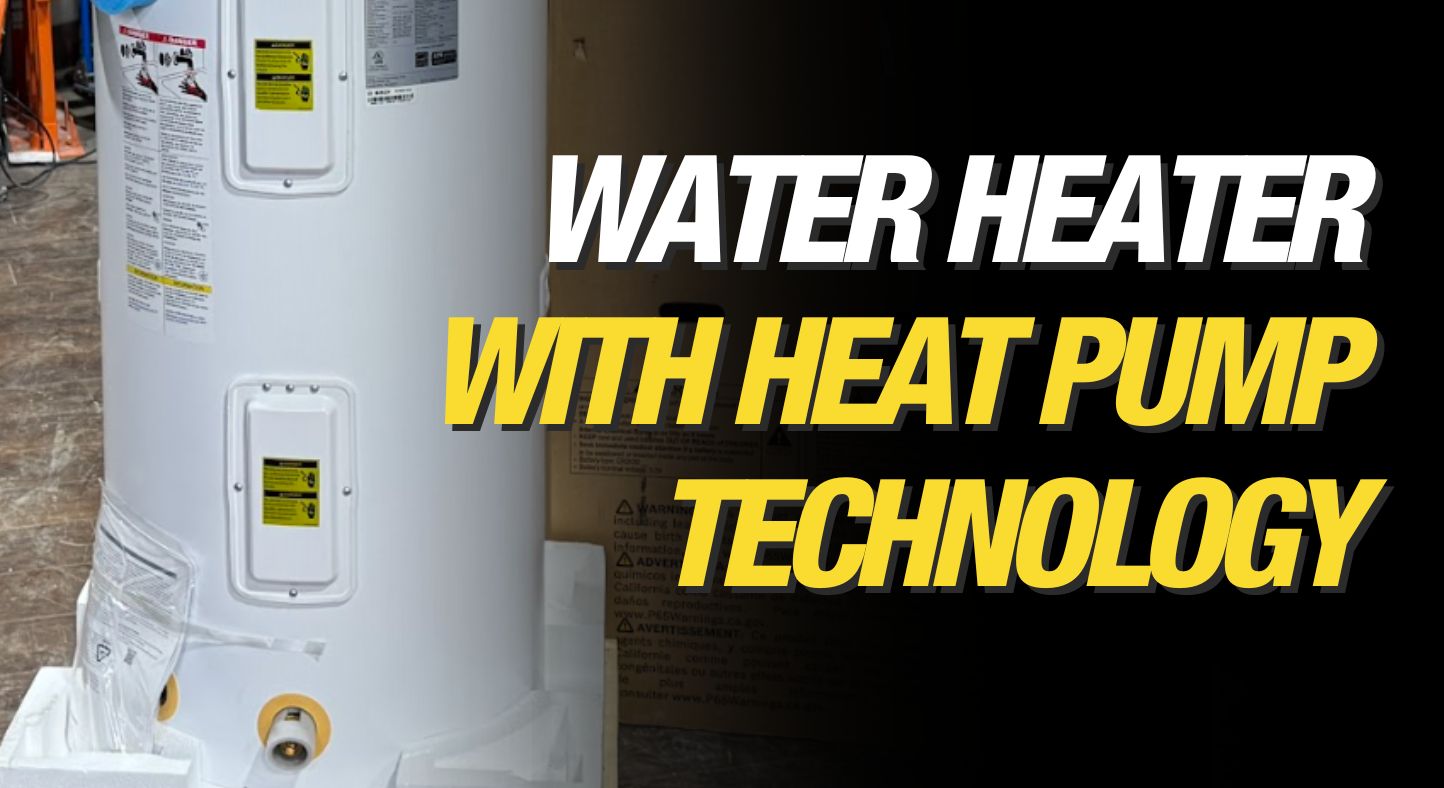
A heat pump water heater (HPWH) is a revolutionary type of water heater that stands apart from traditional models by using energy-efficient technology. Unlike conventional water heaters that rely on directly generating heat, HPWHs utilize the surrounding air to extract heat and transfer it into the water storage tank. Think of it as a reverse refrigerator – instead of cooling the air inside, it absorbs warmth from the air and uses that heat to warm water.
This unique method of heating is far more energy-efficient, making HPWHs an excellent choice for homeowners looking to lower their energy bills while minimizing their carbon footprint. By relying on the ambient heat around the appliance, heat pump water heaters provide a sustainable solution without the need for excessive power consumption.
How Does a Heat Pump Water Heater Work?
The working mechanism of a heat pump water heater involves a series of efficient steps that are surprisingly similar to how a refrigerator functions. Here’s a breakdown of the process:
- Absorbing Heat: A fan draws in warm air from the surrounding environment. This air is the key source of heat for the system.
- Compressing Heat: The fan pushes the warm air through a refrigerant system, where the heat is absorbed by the refrigerant fluid. The refrigerant is then compressed to increase its temperature, intensifying the heat.
- Transferring Heat to Water: The heated refrigerant is then passed through a heat exchanger, transferring the warmth to the water in the storage tank. As a result, the water’s temperature rises, providing you with hot water for your needs.
In essence, the heat pump water heater mimics the reverse refrigeration process, pulling heat from the air and converting it into hot water. This process is not only efficient but also makes the HPWH much more environmentally friendly compared to traditional electric water heaters.
Energy Efficiency of HPWHs
One of the most compelling reasons to opt for a heat pump water heater is its remarkable energy efficiency. Traditional water heaters typically consume a lot of electricity to generate heat, which translates into higher utility bills. In contrast, HPWHs operate by transferring heat from the air, consuming far less energy in the process.
In fact, heat pump water heaters can be up to three times more efficient than conventional electric water heaters. For every unit of electricity consumed, the HPWH can provide up to three times more heating power. This efficiency results in significant savings on your energy bills over time, making HPWHs a wise investment for cost-conscious homeowners.
Moreover, HPWHs have a longer lifespan compared to traditional models, which means fewer replacements and repairs, further enhancing their cost-effectiveness.
Advantages of Using a Heat Pump Water Heater
When it comes to making the right choice for your home, there are several advantages to installing a heat pump water heater:
- Long-Term Cost Savings: While the initial price of a heat pump water heater may be higher than traditional water heaters, the savings on your energy bills will more than offset this cost over time. The energy efficiency of HPWHs ensures lower operational costs and more predictable utility expenses.
- Environmental Benefits: By using less electricity and tapping into renewable ambient heat, HPWHs are eco-friendly. This helps reduce your household’s carbon footprint, making HPWHs a sustainable option for homeowners who prioritize environmentally conscious choices.
- Low Maintenance and Reliability: HPWHs require less maintenance compared to conventional water heaters. Traditional models rely on a direct heating element, which is subject to wear and tear. In contrast, HPWHs have fewer moving parts and a more durable design, which translates to fewer repairs and a longer lifespan.
In summary, a heat pump water heater is an excellent solution for those looking to reduce both their energy costs and environmental impact. With its remarkable efficiency, long-term savings, and minimal maintenance requirements, it’s a smart investment for many households looking to make a more sustainable and cost-effective choice.
Hybrid Features of HPWHs
Some heat pump water heaters (HPWHs) are designed with hybrid technology, which combines the best of both worlds: the energy-efficient heat pump system and traditional electric heating elements. This hybrid system provides a flexible solution for homes with varying hot water demands, ensuring efficiency while still delivering reliable performance when needed most.
During normal use, the heat pump operates to provide energy-efficient water heating, using heat from the surrounding air. However, when higher hot water demand occurs — like during a busy morning or a large gathering — the hybrid system automatically switches to the electric backup elements to ensure faster heating. This seamless switching between the heat pump and electric elements ensures that the system can meet high hot water demands without sacrificing efficiency, making it an ideal choice for larger households or homes with fluctuating needs.
Whether you need energy savings on regular days or a quick boost during peak times, hybrid HPWHs offer the perfect solution by balancing the benefits of both systems.
Dehumidification Feature
An often overlooked benefit of heat pump water heaters is their ability to dehumidify the surrounding space while heating water. As the heat pump draws in air, it extracts moisture from the air as a byproduct of the heating process. This makes HPWHs especially beneficial for homes in humid climates, where excess moisture can cause discomfort and contribute to issues like mold growth or musty odors.
By removing moisture from the air, HPWHs not only provide efficient water heating but also help improve indoor air quality. In areas prone to high humidity, this dehumidifying effect can make a noticeable difference in comfort levels, especially in basements, laundry rooms, or other damp spaces. The dual function of heat pump water heaters — providing hot water and improving air quality — adds an extra layer of value to your home.
Installation and Location Considerations
Proper installation of a heat pump water heater is crucial to ensure maximum efficiency and longevity. When choosing a location for your HPWH, there are several key factors to keep in mind:
- Space Requirements: HPWHs require adequate space for both the fan and airflow. For efficient operation, it’s important that the unit is installed in a well-ventilated area with enough clearance to allow for proper air circulation. Installing the unit in cramped, enclosed spaces can hinder its performance and efficiency.
- Best Locations: The ideal locations for HPWHs are typically basements, garages, or utility rooms, where the air temperature remains relatively stable. It is crucial that the installation site maintains a temperature range of 40°F to 90°F (4°C to 32°C) for optimal performance. If the air temperature is too cold, the system may struggle to operate efficiently.
- Airflow and Ventilation: The surrounding area must have good airflow. Ensure there are no obstructions around the unit, such as walls or other objects, that could block air circulation. Proper ventilation is key to ensuring that the heat pump works effectively, without being overburdened.
By choosing the right installation location and ensuring proper space and airflow, you’ll enhance the efficiency of your heat pump water heater and maximize its lifespan.
Common Misconceptions About Heat Pump Water Heaters
While heat pump water heaters offer numerous benefits, there are still several misconceptions that can lead to confusion. Let’s take a moment to clear up some of these myths:
- Noise Levels: Many people believe that HPWHs are noisy, but modern units are designed to operate quietly. The sound produced by most HPWHs is often comparable to that of a refrigerator or air conditioner. The noise level is generally unobtrusive, and in many cases, it won’t be noticeable in everyday home life.
- Installation Complexity: Some assume that installing an HPWH is complicated and expensive. While professional installation is recommended to ensure proper setup, the process is not overly complex and does not require major modifications to your home. Many HPWH models can be installed relatively easily in appropriate spaces.
- Cold Climate Suitability: A common myth is that HPWHs are unsuitable for cold climates. While it’s true that HPWHs rely on ambient air temperature to extract heat, hybrid systems are designed to function efficiently even in cooler areas. They can switch to backup electric heating when necessary, ensuring reliable hot water supply in all weather conditions.
By debunking these myths, homeowners can make more informed decisions about whether a heat pump water heater is right for their needs.
Is a Heat Pump Water Heater Right for Your Home?
Before deciding if a heat pump water heater is the best choice for your home, consider the following factors:
- Climate: HPWHs work best in moderate to warm climates where the surrounding air provides a consistent source of heat. If you live in a colder area, hybrid models can still perform well, as they incorporate backup heating elements that ensure hot water is available even during colder weather.
- Space Availability: Ensure that you have enough space for installation and proper airflow. If you’re limited on space, there are compact HPWH models available that can fit into smaller rooms or areas with less clearance.
- Energy Needs: Assess your household’s daily hot water usage. HPWHs are ideal for moderate to high-demand homes. If your household experiences high usage, such as during busy mornings or with large families, a hybrid HPWH can help meet your needs without sacrificing energy efficiency.
If you’re unsure whether an HPWH is right for your home, consulting a professional installer can help you evaluate your needs and determine the best solution.
Conclusion
In conclusion, heat pump water heaters offer a highly energy-efficient, cost-effective, and environmentally friendly way to heat water in your home. They not only provide reliable, hot water but also come with features like dehumidification and the ability to switch between heat pump and traditional heating elements, making them versatile and capable of meeting high demand.
Whether you choose a standard HPWH or a hybrid model, these units deliver significant savings on energy bills, have a long lifespan, and are a great investment for eco-conscious homeowners. If you’re looking for a more sustainable and efficient way to heat water, consider upgrading to a heat pump water heater.
Explore available models, consult with an expert for professional installation, and start enjoying energy savings and enhanced comfort in your home today!
