
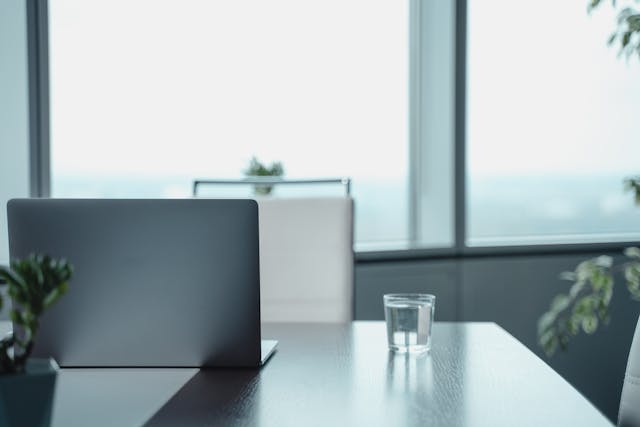
The term “future ready” refers to office spaces designed with adaptability, technology, and sustainability in mind, ensuring they remain effective and efficient amid future changes. A future-ready office is built to support modern work practices, including hybrid and remote work, while embracing innovations in technology, design, and sustainability.
In Cyprus, this topic has become increasingly important due to the island’s strong economic growth, rapid technology adoption, and a rising demand for flexible work environments. As businesses in Cyprus continue to evolve, understanding what makes an office future-ready is crucial for maintaining competitiveness and attracting top talent.
What Makes an Office Future Ready?
A future-ready office integrates several key characteristics to meet the needs of a modern workforce:
Flexible and Adaptable Layouts
Offices must be designed to accommodate changes in how work is conducted. This means layouts that can easily be modified to support different team sizes, collaborative activities, or private workspaces.
Smart Tech Integration
Modern office spaces are equipped with advanced technologies such as Internet of Things (IoT) devices, automation systems, and smart meeting rooms. These tools help improve efficiency, connectivity, and collaboration.
Sustainability and Energy Efficiency
A future-ready office prioritises sustainability by utilising energy-efficient systems and renewable energy sources. Smart climate control and green building materials contribute to a healthier work environment and lower operational costs.
Employee Wellbeing Focus
A future-ready office considers the physical and mental well-being of its employees. This includes ergonomic furniture, wellness spaces, and features that foster a comfortable, productive atmosphere.
The Role of Technology in Modern Workspaces
In today’s work environment, technology is at the heart of every modern office. Some of the key elements include:
Smart Infrastructure
Office spaces are increasingly equipped with IoT sensors, automated systems, and digital tools that allow businesses to manage everything from lighting and temperature to meeting scheduling. This technology enhances both operational efficiency and the employee experience.
High-Speed Connectivity and Cloud-Based Systems
A fast, reliable internet connection is essential for a future-ready office. Cloud-based systems allow employees to access work files and collaborate from anywhere, supporting the growing trend of remote-first or hybrid work models.
How Tech Supports Hybrid and Remote-First Work
Technology enables seamless collaboration between in-office and remote workers. Tools for video conferencing, document sharing, and real-time communication ensure teams remain connected no matter where they are.
Flexible and Adaptable Office Design
A flexible office design is essential for supporting a dynamic workforce.
Open-Plan vs. Activity-Based Areas
Open-plan offices encourage collaboration, while activity-based spaces cater to employees’ diverse needs. Activity-based designs provide different zones for individual work, collaboration, meetings, and relaxation, offering more flexibility.
Modular Furniture and Space Usage Optimization
Modular furniture enables easy reconfiguration of spaces to meet business needs. This optimizes space usage and supports a variety of working styles, whether for private tasks or collaborative projects.
Studio Offices and Coworking Spaces
In cities like Nicosia, Limassol, and Larnaca, coworking spaces and shared offices are becoming more popular. These spaces cater to freelancers, startups, and small businesses, offering flexible rental options and fostering collaboration among diverse professionals.
Sustainability and Green Office Features
As businesses in Cyprus look towards the future, sustainability is a top priority in office design.
Energy Efficiency and Smart Climate Systems
Energy-efficient offices use smart heating, ventilation, and air conditioning (HVAC) systems, along with solar panels and other green technologies, to reduce energy consumption and lower costs.
Use of Sustainable Materials and Natural Light
Sustainable materials such as recycled wood, bamboo, and eco-friendly paints are increasingly being used in office construction. Natural light is also prioritised, reducing the need for artificial lighting and creating a healthier work environment.
Benefits for Costs, Employee Health, and Brand Reputation
Investing in a sustainable office not only helps save costs but also improves employee health and enhances the company’s reputation as an environmentally responsible business.
Employee Wellbeing and Productivity
The design of a future-ready office plays a crucial role in boosting employee productivity and well-being.
Ergonomics and Wellness Spaces
Comfortable, ergonomic furniture helps prevent workplace injuries and fatigue. Offices are also incorporating wellness spaces such as yoga rooms, quiet zones, and relaxation areas to promote mental health.
Quiet Zones, Breakout Areas, and Collaboration Hubs
Creating a mix of quiet zones for focused work and breakout areas for informal collaboration allows employees to choose the environment that best suits their needs. This flexibility leads to better productivity and a more positive work atmosphere.
How Design and Amenities Boost Morale and Performance
Office designs that focus on employee well-being contribute to higher morale and job satisfaction, which directly impacts productivity and creativity.
Cultural and Local Context in Cyprus
Cyprus’ unique business culture and geographical location influence the design and function of its office spaces.
How Local Business Culture Influences Office Design
Cypriot businesses, particularly in sectors like finance, technology, and tourism, are increasingly adopting modern office designs that reflect their global outlook and embrace innovation. This trend is changing how office spaces are structured, with a focus on flexibility, sustainability, and employee well-being.
Differences in Needs Between Tech Startups, Professional Services, and Multinational Offices
Tech startups often prioritize collaborative, open spaces, while professional services firms may opt for more traditional layouts with private offices. Multinational companies, on the other hand, may look for offices with a global, high-tech feel and infrastructure that supports remote and hybrid teams.
Choosing the Right Office Space in Cyprus
Selecting the right office space is crucial for businesses looking to position themselves for long-term success in Cyprus.
What to Look for When Selecting or Upgrading an Office
Key considerations include location, accessibility, infrastructure readiness, and flexibility for future growth. Businesses should choose spaces that align with their brand values and support their long-term goals.
Insights on Popular Business Hubs in Cyprus
Limassol is a key business hub, offering a strategic location for international companies, while Nicosia and Larnaca are becoming popular as startup and coworking spaces grow in demand.
Case Studies or Local Examples
Many businesses in Cyprus are already adopting future-ready office principles. For example, companies in Limassol are embracing coworking spaces, while larger multinational firms in Nicosia are integrating smart office technologies to enhance productivity and employee satisfaction.
Challenges and Considerations
While there are many benefits to future-ready offices, businesses face several challenges:
Budget Constraints and Planning for Phased Upgrades
Upgrading to a future-ready office can be expensive. Companies should plan for phased upgrades to spread the cost and minimize disruption.
Cybersecurity and Tech Management in Smart Office Environments
As offices become more tech-driven, ensuring the security of sensitive data and managing complex systems becomes more important.
Balancing Tradition with Innovation
While embracing modern technologies and designs, businesses must also balance these innovations with traditional office functions that are still important to their operations.
Conclusion
Investing in future-ready offices in Cyprus is an important step for businesses looking to stay competitive and attract top talent. By focusing on flexible designs, smart technology, sustainability, and employee wellbeing, companies can create workspaces that meet the needs of the modern workforce. It’s time for businesses to evaluate their office strategies and ensure they are ready for the future.
