
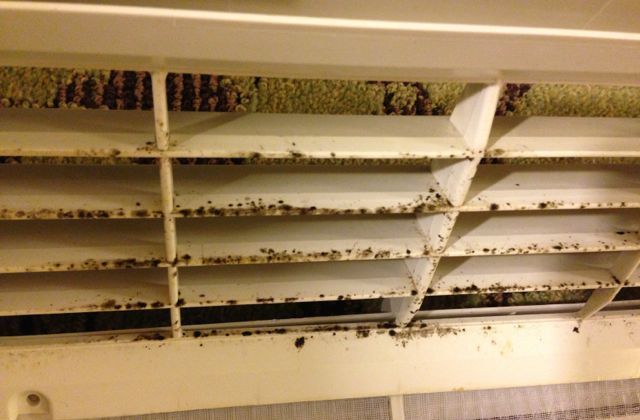
Black mold is a type of harmful fungus that thrives in damp and humid conditions. When it starts growing in your air conditioning (AC) system, it can cause a range of problems for your health and home environment. Addressing mold in your AC unit is crucial because, if left untreated, it can spread and cause serious health issues, unpleasant odors, and costly repairs. In this article, we’ll explore what black mold is, how it grows in your AC, its health risks, and steps you can take to prevent and remove it.
What is Black Mold?
Black mold, scientifically known as Stachybotrys chartarum, is a toxic fungus that often appears as dark greenish-black patches. It thrives in areas with excess moisture, such as damp basements, bathrooms, and, unfortunately, air conditioning systems. Mold spores float in the air and land on surfaces where moisture is present, where they can grow and spread.
Some common signs of black mold include:
- Dark spots or fuzzy growths on surfaces
- A musty, unpleasant smell
- Visible condensation or water damage in the area
Understanding the characteristics of black mold can help you identify it early, before it becomes a bigger problem in your home.
Why Does Mold Grow in Air Conditioning Systems?
Mold growth in your air conditioning system is primarily caused by moisture. AC units work by removing warm air from inside your home and cooling it down. During this process, condensation forms on the cooling coils, creating a damp environment where mold can thrive.
Common places where mold hides in your AC system include:
- Filters: If the filters aren’t changed regularly, they can trap moisture and become breeding grounds for mold.
- Evaporator coils: These coils naturally remain cold, causing condensation that can promote mold growth.
- Ducts: If there is a leak or the ducts aren’t sealed properly, moisture can enter and encourage mold growth inside the ductwork.
Mold needs moisture to grow, so an AC system that doesn’t have proper drainage or is running in a humid environment is more likely to develop mold problems.
Health Risks Associated with Black Mold in AC
Black mold is not just an unsightly problem; it can also be a health hazard. Exposure to black mold spores can lead to respiratory issues, including coughing, wheezing, and asthma. In addition to these, allergic reactions like sneezing, skin rashes, and eye irritation can occur.
Long-term exposure to black mold is hazardous for vulnerable individuals, including:
- Children: Their immune systems are still developing, making them more susceptible to mold-related health problems.
- Elderly individuals: Age-related health issues can make the elderly more vulnerable to the effects of mold exposure.
- People with weakened immune systems: Those with compromised immune systems, such as individuals undergoing chemotherapy or living with autoimmune diseases, may experience more severe reactions.
If you or anyone in your home notices unexplained symptoms, it could be due to mold exposure, and it’s essential to take action quickly.
How to Identify Black Mold in Your AC
You can spot black mold in your AC system by looking for a few visual signs:
- Dark spots or discolored patches on the filters, coils, or ducts.
- A musty, damp smell that seems to come from the AC when it’s running.
Inside your home, persistent allergy symptoms, such as sneezing, congestion, or coughing, can also signal mold. If you notice these signs or the musty smell, it’s a good idea to get your AC inspected by a professional. They can check hard-to-reach areas, such as the evaporator coils and ducts, where mold might be hiding.
How to Prevent Mold Growth in Your AC
The key to preventing black mold in AC system is regular maintenance and moisture control. Here are some steps to help keep your AC mold-free:
- Clean your AC regularly: Replace or clean the filters every few months, depending on use. Dirty filters can trap moisture and mold spores.
- Control humidity: Use a dehumidifier in damp areas of your home, such as basements, to keep moisture levels under control.
- Ensure proper ventilation: Make sure your home is well-ventilated, and that air can circulate properly through your AC system to prevent excess moisture buildup.
By taking these simple steps, you can significantly reduce the chances of mold growth in your AC system.
How to Remove Black Mold from Your AC System
If you already have black mold in your AC system, here’s how you can remove it:
- Turn off the AC unit and disconnect the power.
- Remove and clean the filters with soap and water or a mold-cleaning solution.
- Disinfect the evaporator coils: with a mold remover or a vinegar-and-water mixture. Use a soft brush to scrub away visible mold.
- Clean the ducts: If mold has spread into your ducts, you may need to hire a professional to clean them thoroughly.
If the mold problem is extensive or complex to reach, it’s best to call a professional mold remediation service. They have the necessary tools and expertise to remove mold safely and effectively.
Preventative Measures Moving Forward
To keep your AC mold-free in the future, consider these long-term preventative measures:
- Regular inspections and servicing by a professional HVAC technician will ensure your system runs efficiently and without hidden mold growth.
- Use mold-resistant products, such as specialized duct coatings, to prevent mold from taking hold.
- Keep your home’s humidity levels in check by using dehumidifiers in high-moisture areas and ensuring proper airflow throughout your home.
Conclusion
Black mold in your AC system can cause serious health issues and lead to unpleasant odors in your home. By understanding how it grows and taking proactive steps to clean and maintain your AC system, you can keep mold at bay. Regular maintenance, humidity control, and proper ventilation are key to preventing mold. If you do find mold, prompt cleaning or professional help can keep your home safe and healthy. Stay proactive and keep your AC system mold-free for a comfortable and healthy living environment.
