
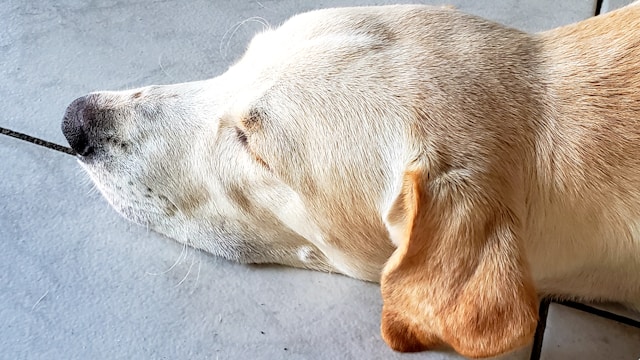
Dog muscle spasms are sudden, involuntary muscle movements that can worry many pet owners. These muscle twitching episodes may look mild at first, but in some cases, they can signal an underlying health problem.
Dog owners should never ignore muscle twitching, shaking, or stiffness, especially if it happens often or lasts a long time. While some muscle spasms in dogs are harmless and temporary, others may be linked to dehydration, nerve problems, poisoning, or serious medical conditions.
This article explains what dog muscle spasms are, their common causes, warning signs, treatment options, and when you should contact a veterinarian.
What Are Muscle Spasms in Dogs?
Muscle spasms in dogs are involuntary muscle contractions that happen suddenly and without control. They may affect one muscle, a group of muscles, or sometimes the entire body.
Muscle Spasms vs Tremors vs Seizures
- Muscle spasms: Short, sudden tightening or twitching of muscles
- Tremors: Rhythmic shaking that may continue for some time
- Seizures: Neurological events that often include loss of awareness, stiffening, and jerking
How Muscle Spasms Look in Dogs
- Repeated muscle twitching
- Sudden stiffness in legs or back
- Shaking or jerking movements
- Brief cramping or tightening of muscles
Common Signs and Symptoms
Dogs with muscle spasms may show one or more of the following symptoms:
- Visible muscle twitching or jerking
- Stiffness or limping while walking
- Pain or sensitivity when touched
- Fatigue, weakness, or trouble standing
- Crying, whining, or signs of discomfort
Some dogs may appear anxious or restless during an episode of muscle cramping.
Common Causes of Dog Muscle Spasms
Dehydration and Electrolyte Imbalance
Dehydration is one of the most common causes of muscle spasms in dogs. When fluid levels drop, essential minerals are lost.
- Low calcium, potassium, or magnesium
- Heat exhaustion
- Over-exercise without enough water
These imbalances interfere with normal muscle and nerve function.
Injury or Muscle Strain
Physical strain can trigger muscle spasms in dogs.
- Rough play or jumping
- Slipping or falling accidents
- Muscle fatigue after intense exercise
Working and active dogs are more likely to experience post-exercise muscle cramps.
Neurological Disorders
Problems with the nervous system can cause abnormal muscle contractions.
- Nerve damage
- Degenerative neurological diseases
- Brain or spinal cord disorders
These cases often involve repeated or worsening muscle twitching.
Toxins and Poisoning
Exposure to toxins is a medical emergency and can cause severe muscle spasms.
- Pesticides and insecticides
- Household chemicals
- Certain human foods or medications
Poisoning may also cause vomiting, seizures, or collapse.
Underlying Medical Conditions
Some chronic illnesses can lead to muscle spasms in dogs.
- Kidney disease
- Liver disease
- Hypoglycemia (low blood sugar)
- Canine distemper
These conditions often require long-term veterinary care.
Breeds More Prone to Muscle Spasms
Some dogs are more likely to develop muscle spasms due to size, activity level, or genetics.
- Small and toy breeds
- Athletic and working dogs
- Dogs with known neurological or genetic conditions
However, muscle spasms can occur in dogs of any breed or age.
When Should You Worry?
You should seek veterinary help if your dog experiences:
- Muscle spasms lasting longer than a few minutes
- Frequent or worsening episodes
- Vomiting, seizures, or collapse along with spasms
- Muscle twitching in puppies or senior dogs
These signs may indicate a serious health issue.
Diagnosis by a Veterinarian
A veterinarian may use several methods to diagnose the cause of muscle spasms:
- Physical examination
- Blood tests and electrolyte panels
- Neurological examinations
- Imaging tests such as X-rays, MRI, or CT scans
Proper diagnosis is essential for effective treatment.
Treatment Options for Dog Muscle Spasms
Veterinary Treatments
Depending on the cause, treatment may include:
- IV fluids to correct dehydration
- Electrolyte replacement
- Muscle relaxants
- Pain relief medications
- Treatment of the underlying condition
Home Care and Support
In mild cases, supportive care may help recovery:
- Rest and limited physical activity
- Ensuring proper hydration
- Warm compresses (only if advised by a veterinarian)
Never give human medications to dogs without veterinary approval.
Prevention Tips
You can reduce the risk of muscle spasms by:
- Providing fresh water at all times
- Feeding a balanced diet with essential minerals
- Avoiding over-exertion, especially in hot weather
- Scheduling regular veterinary checkups
- Keeping toxic substances safely stored
Prevention plays a key role in long-term canine health.
Can Dog Muscle Spasms Be Life-Threatening?
In many cases, muscle spasms are mild and temporary, especially when caused by fatigue or dehydration.
However, spasms can be life-threatening when linked to:
- Poisoning
- Severe electrolyte imbalance
- Neurological disease
- Organ failure
Early diagnosis and treatment greatly improve outcomes.
Frequently Asked Questions (FAQs)
Are muscle spasms painful for dogs?
Yes, some spasms can cause discomfort or pain, especially if muscles tighten suddenly.
Can anxiety cause muscle twitching in dogs?
Stress and anxiety may cause mild twitching, but persistent spasms need medical evaluation.
Are muscle spasms the same as seizures?
No. Seizures involve the brain and often cause loss of awareness, while spasms affect muscles directly.
Can muscle spasms go away on their own?
Mild cases may resolve, but repeated or severe spasms should always be checked by a veterinarian.
Conclusion
Dog muscle spasms can range from harmless muscle twitching to signs of serious illness. Understanding the symptoms, causes, and treatment options helps dog owners respond quickly and responsibly.
Always monitor your dog closely, especially if spasms occur repeatedly or worsen. When in doubt, consulting a veterinarian is the safest choice to protect your dog’s health and comfort.
