
Introduction
The Australian Bass (Percalates novemaculeata), a captivating species of fish, is considered one of Australia’s most iconic freshwater inhabitants. This dynamic and resilient fish is not just known for its striking appearance, but for its robust nature and fierce fight when caught, making it a sought-after prize for anglers across the country. With its status as a freshwater legend, the Australian Bass has captured the hearts of both seasoned fishermen and those who simply appreciate the beauty of Australia’s aquatic wildlife.
Predominantly found along the eastern coastline of Australia, this species is a symbol of endurance, beauty, and adaptability. It offers anglers an exciting challenge, and its graceful presence in the waters is a testament to its importance in Australia’s ecosystem. In this article, we’ll delve deeper into the biology, habitat, feeding behaviors, and life cycle of the Australian Bass. By the end, you will have a well-rounded understanding of why this fish remains a revered and popular species in both recreational and professional fishing circles.
| Category | Detail |
|---|---|
| Common Name | Australian Bass, a popular freshwater fish. |
| Scientific Name | Percalates novemaculeata |
| Habitat | Found in Moogerah Dam, Maroon Dam, Lake Lyell, Wyaralong Dam. |
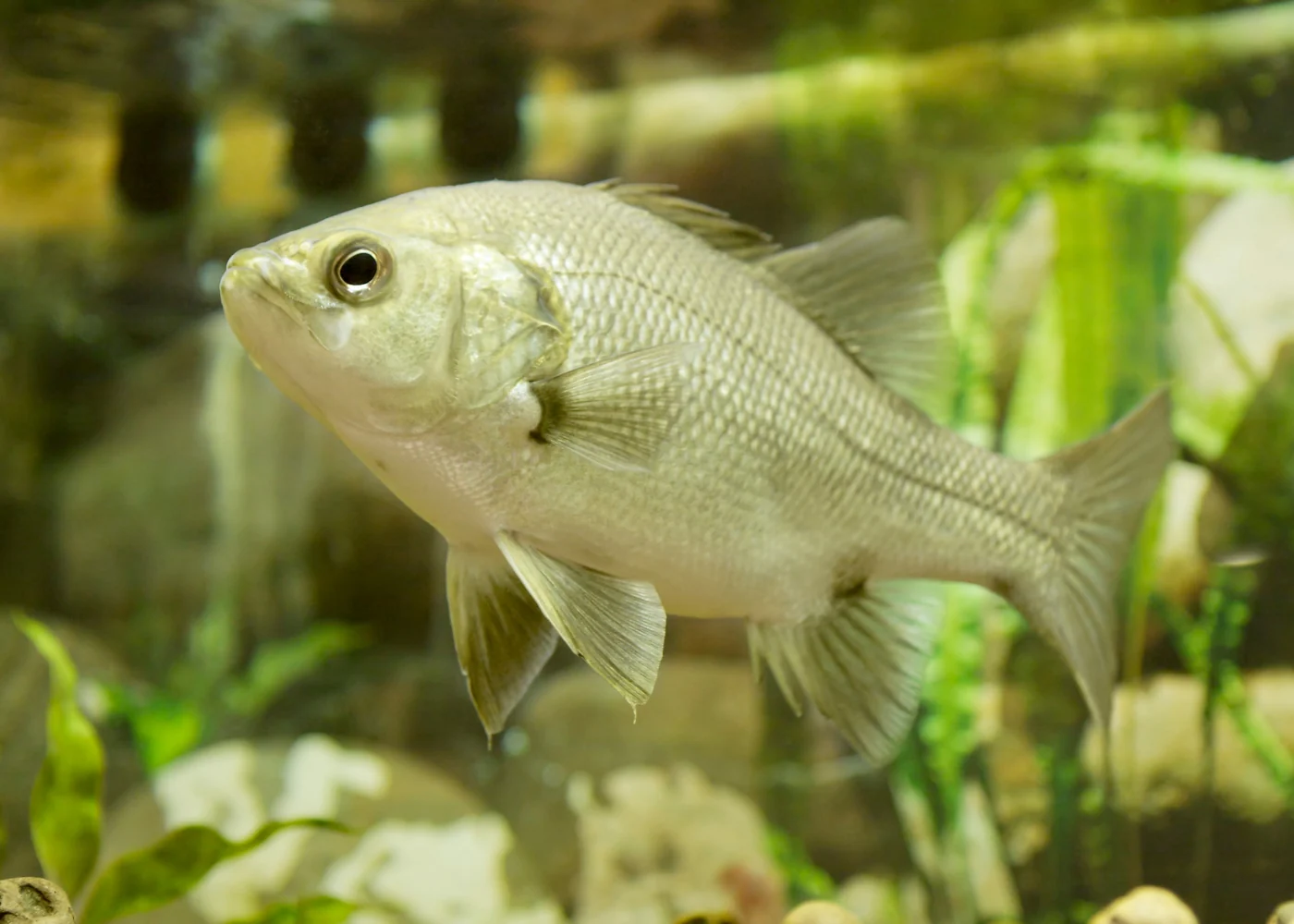
| Coloration | Silvery-green, changes based on water clarity. |
| Size | Typically grows to 35-50 cm in length. |
| Diet | Feeds on insects, small fish, prawns, and crustaceans. |
| Life Cycle | Lives in freshwater, migrates to estuarine waters to spawn. |
| Spawning Season | Spawns in estuarine waters during the winter months. |
| Conservation Status | Least Concern globally, with local population declines. |
| Threats | Dams, habitat degradation, overfishing, and pollution. |
| Fishing Techniques | Lures, bait fishing, fly fishing. |
| Best Seasons | Best from spring to early autumn when more active. |
| Color Variation | Color changes depending on water clarity and environment. |
| Stocking | Hatchery stocking helps, but raises concerns about genetic diversity. |
What Is the Australian Bass?
The Australian Bass is a medium-sized fish, known for its streamlined, elongated body, designed for quick, agile movements through the water. Its silvery-green coloration, complemented by darker, speckled markings along its sides, makes it distinct among other native Australian fish. The bass’s muscular tail allows for powerful swimming strokes, while its small, sharp fins aid in precision and speed, making it an adept predator in fast-moving waters.
This species is a prime example of nature’s brilliance, boasting an intelligent adaptation to its environment. Its wide, slightly rounded mouth is suited for a carnivorous diet, allowing it to consume a variety of prey, including insects, small fish, and crustaceans. As a true freshwater species, the Australian Bass thrives in the clean, flowing waters of coastal rivers and streams from Queensland to Victoria.
One of its most notable characteristics is its catadromous life cycle. While it spends the majority of its life in freshwater, the Australian Bass migrates to estuarine, brackish waters to spawn. This unique life cycle is essential for its survival, enabling the species to access different ecosystems and resources throughout the various stages of its life.
Habitat & Distribution
Australian Bass are primarily found in freshwater rivers, streams, lakes, and estuaries, especially along the eastern coast of Australia. Iconic freshwater habitats like Moogerah Dam, Maroon Dam, Lake Lyell, and Wyaralong Dam provide ideal environments for the species to thrive. These ecosystems offer optimal water quality, submerged vegetation, riparian zones, and abundant underwater cover, which are essential for the bass’s survival.
Riparian vegetation and snags (fallen trees and branches) play a crucial role in the bass’s habitat. These natural features provide shelter from predators, hiding places for hunting, and a cool refuge during the hotter summer months when the fish seeks shade. The importance of these natural structures cannot be overstated, as they allow bass to maintain a comfortable and safe environment.
However, man-made barriers such as dams and water infrastructure can disrupt the bass’s natural migration patterns. These obstacles block access to prime spawning grounds in brackish waters, which can severely limit the species’ ability to reproduce and affect the overall health of local populations. The management of these waterways is crucial to ensuring the continued success of the Australian Bass.
Behavior & Ecology
The Australian Bass is a carnivorous predator, feeding on a varied diet that includes insects, small fish, crustaceans, and prawns. Its feeding behavior is closely linked to its surroundings and daily activities. During the day, the bass typically seeks shelter in submerged rocks, fallen trees, and dense aquatic vegetation, where it remains hidden from both predators and prey.
However, as night falls, the bass becomes more active. It emerges from its hiding places and begins hunting near the surface of the water. This nocturnal behavior is not only crucial for its feeding, but also for its migration patterns. The Australian Bass is highly attuned to seasonal changes, particularly in water temperature and food availability. As temperatures fluctuate and prey becomes more abundant, the bass migrates between different freshwater and estuarine environments, adjusting its behavior accordingly to maximize its chances of survival.
Life Cycle & Reproduction
The life cycle of the Australian Bass is both fascinating and vital for its long-term survival. Although the species matures in freshwater, it requires brackish estuaries to reproduce. Males reach sexual maturity at around two years, while females typically mature a year later, at three years of age.
Spawning occurs during the winter months when water temperatures drop, signaling the bass to migrate from freshwater systems to estuarine environments. During this time, females release their eggs into the brackish waters, where fertilization occurs. The larvae that hatch from these eggs are then carried back to freshwater systems, where they begin their life cycle in the same rivers and streams that their parents once inhabited.
The Australian Bass has an impressive lifespan, with some individuals living up to 15 years or more, depending on environmental factors and predation pressures. As they age, the bass continue to reproduce multiple times, contributing to the health and stability of local fish populations. Their longevity and reproductive habits ensure the continued presence of this magnificent species in Australia’s freshwater systems.
Importance to Anglers
The Australian Bass is considered a prized sport fish, renowned for its powerful fights and acrobatic strikes. These qualities make it one of the most thrilling species to catch. When hooked, the bass doesn’t just swim away — it puts up a dramatic battle, often leaping out of the water in an acrobatic display that leaves both novice and experienced anglers in awe. Its resilience and feisty nature have made it a top choice for sport fishermen who appreciate the thrill of the chase and the skill it takes to land such a dynamic fish.
For those who seek to catch this prized fish, there are several fishing techniques that can be employed, each providing a unique and exciting experience. Lures are particularly effective due to the bass’s aggressive hunting instincts. Soft plastics and hard-body lures mimic the movement of prey, enticing the bass to strike with vigor. Bait fishing, using worms, prawns, or small fish, can also be highly successful, drawing in bass that are attracted to familiar, natural foods. Another popular method is fly fishing, which adds an extra layer of excitement when targeting bass in clear, shallow waters. Here, the bass often strikes at surface-level flies, creating a fast-paced and visually captivating fishing experience.
The best seasons for bass fishing are typically from spring to early autumn, when the bass are most active and move closer to the surface, making them easier to target. During these months, the warmer water temperatures prompt the bass to feed more aggressively. As for the best locations, regions like Moogerah Dam, Maroon Dam, Lake Lyell, and Wyaralong Dam are some of the top fishing hotspots, offering ample opportunities for both beginner and seasoned anglers to reel in this elusive species.
Conservation and Management
Although the Australian Bass is classified as Least Concern on a global scale, certain local populations have experienced declines due to various environmental threats. One of the major issues facing the bass is dams and barriers, which obstruct its natural migratory routes, preventing the fish from accessing vital breeding grounds in brackish estuaries. Without these critical spawning sites, the reproduction rates of the bass can significantly drop, impacting the sustainability of local populations.
Habitat degradation caused by pollution, land clearing, and urban development has also taken a toll on the bass’s natural environment. Loss of riparian zones, which provide essential shelter, food, and cooling areas for the bass, further strains the species’ ability to thrive. Moreover, overfishing can deplete bass populations, especially in areas where fishing regulations are not enforced or followed properly.
To mitigate these threats, various conservation strategies have been put in place. Catch-and-release practices are highly encouraged, allowing anglers to enjoy fishing without depleting local bass populations. Furthermore, seasonal closures during breeding times provide the bass with a chance to spawn without disturbance. Hatchery stocking programs help replenish the population by releasing hatchery-bred bass into the wild, although some genetic concerns exist about introducing hatchery-reared fish into wild populations, as it may affect the genetic diversity and natural adaptations of the species.
Interesting Facts
The Australian Bass is a long-lived species, with some individuals living 15 years or more. This longevity speaks to the bass’s adaptability and resilience, making it not only an exciting fish to catch but also an enduring presence in Australia’s freshwater ecosystems.
One of the most intriguing features of the Australian Bass is its color variation. Depending on the clarity of the water and environmental conditions, the coloration of the bass can range from a deep, vibrant green to a more muted silver. In clear waters, the bass appears brighter, while in murkier environments, it takes on a darker, more camouflaged hue. This variation helps the bass blend into its surroundings, providing protection from predators and making it harder for anglers to spot.
An interesting point of confusion is the misidentification of the Australian Bass with the Estuary Perch. While both species share similar body shapes and coloration, there are noticeable differences. The Australian Bass has more distinct horizontal bands across its body, while the Estuary Perch tends to have a more uniform coloration. Additionally, the bass has a slightly larger mouth and a different fin structure, making them easier to differentiate once you know what to look for.
Tips for Responsible Angling
As passionate anglers, it is crucial to follow responsible practices that ensure the continued survival of wild bass populations. Best practices include avoiding fishing during peak spawning seasons and adhering to bag limits to prevent overfishing. Additionally, gear recommendations suggest using barbless hooks, as they cause less damage to the fish and increase the chances of a successful release.
When handling the bass, always wet your hands before touching the fish to avoid removing its protective slime coating. This helps prevent infection and stress. After landing the fish, make sure to release it quickly and gently, ensuring that it is revived before returning it to the water.
These simple practices not only improve the chances of survival for the bass but also ensure that the species will continue to thrive for future generations of anglers.
Conclusion
The Australian Bass is far more than just a catch; it is an essential part of Australia’s freshwater ecosystems and a symbol of the balance between nature and sport. With its powerful strikes, unique color variations, and dynamic migratory behavior, the bass holds an enduring place in both recreational fishing and the broader cultural appreciation of Australian wildlife. The species reminds us of the importance of conservation efforts, responsible angling, and sustainable practices to protect the natural world.
We invite you to share your fishing stories or offer your local tips for bass fishing in the comments below. Whether you are a seasoned angler or just starting, your contributions are valuable in helping others understand how to responsibly enjoy and protect this magnificent species for years to come.
