
Introduction
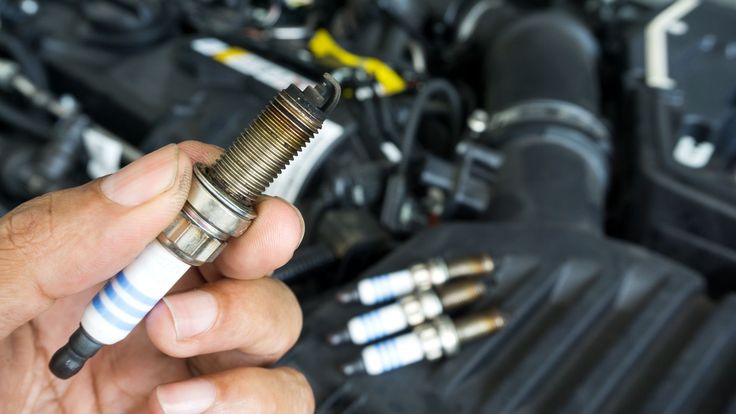
Spark plugs play a vital role in keeping your car engine running smoothly and efficiently. They are responsible for creating the small electric spark that ignites the air and fuel mixture inside the engine, allowing your vehicle to start and move properly. Without well-functioning spark plugs, the engine cannot produce enough power, which affects overall performance. When spark plugs are clean and in good condition, your car starts quickly, runs quietly, and delivers better fuel efficiency. On the other hand, worn or damaged spark plugs can cause rough idling, slow acceleration, increased fuel consumption, and uncomfortable driving. The purpose of this article is to help you understand how often you should change your spark plugs, why timely replacement is important, and how to recognize warning signs early. With this knowledge, you can maintain your vehicle properly, improve engine health, and avoid unnecessary repair costs.
What Are Spark Plugs and How Do They Work?
A spark plug is a small but powerful component of your vehicle’s ignition system that plays a key role in starting and running the engine. It is installed in the cylinder head and connected to the ignition coil, which supplies electricity. When you turn the key or press the start button, the ignition system sends high voltage to the spark plugs. This electricity creates a spark at the tip of each plug, which ignites the compressed mixture of air and fuel inside the engine cylinder. This ignition causes a controlled explosion that pushes the pistons and generates power. This process is known as combustion, and it happens thousands of times every minute while driving. Clean and properly working spark plugs ensure smooth combustion, steady engine speed, better throttle response, and reduced vibration, which all contribute to a comfortable and reliable driving experience.
Why Changing Spark Plugs on Time Matters
Changing spark plugs at the right time is essential for keeping your engine in good condition and preventing serious mechanical problems. Over time, spark plugs wear out, collect carbon deposits, and lose their ability to create strong and consistent sparks. When this happens, fuel does not burn properly, which leads to engine misfires, rough running, and power loss. Timely replacement helps prevent these issues by ensuring reliable ignition in every cylinder. New spark plugs also improve fuel efficiency by allowing complete combustion, which means your engine uses less fuel and delivers better mileage. In addition, properly maintained spark plugs enhance driving performance by providing smooth acceleration, quick engine response, and easy starting in all weather conditions. Replacing worn plugs on time also protects other engine parts such as ignition coils, oxygen sensors, and catalytic converters, helping you reduce repair costs and extend the overall lifespan of your engine.
How Often Should You Change Spark Plugs?
The recommended interval for changing spark plugs usually falls between 30,000 and 100,000 miles, depending on your vehicle and the type of spark plugs installed. Older vehicles that use copper spark plugs may require replacement every 30,000 to 40,000 miles, while modern cars equipped with platinum or iridium plugs can often run smoothly for 60,000 to 100,000 miles before replacement is needed. However, these are general guidelines, and the exact schedule can vary based on engine design and manufacturer standards. The most reliable way to know when to replace your spark plugs is by checking your owner’s manual, which provides detailed maintenance recommendations. Following these guidelines helps maintain engine efficiency, protect your warranty, and ensure long-term reliability. If you are unsure about the condition of your spark plugs, a qualified mechanic can inspect them and recommend the right time for replacement.
Spark Plug Types and Their Lifespan
Spark plugs are made from different materials, and each type offers a unique balance of durability, performance, and cost. Choosing the right spark plug for your vehicle helps ensure proper ignition and long-lasting engine health. Copper spark plugs are the most basic and affordable option, featuring a copper core that provides excellent electrical conductivity. They usually last between 20,000 and 30,000 miles and work well in older engines, but they wear out faster and require frequent replacement. Platinum spark plugs are more durable because they have a platinum coating on the electrode, which resists heat and erosion. These plugs typically last around 60,000 miles and offer stable performance, better heat resistance, and reduced wear, making them suitable for many modern vehicles. Iridium spark plugs are the most advanced and long-lasting type, using a very strong metal that can withstand extreme temperatures and pressure. With a lifespan of up to 100,000 miles, iridium plugs provide a stronger and more precise spark, improved fuel efficiency, and better engine responsiveness. Although they are more expensive, they offer excellent long-term value and superior performance.
Factors That Affect Spark Plug Replacement Frequency
Several factors can influence how often your spark plugs need to be replaced, even if you follow the recommended maintenance schedule. Driving habits play a major role, as frequent short trips, heavy traffic, and aggressive acceleration increase engine stress and cause faster plug wear, while smooth and steady driving helps extend their lifespan. The make and model of your vehicle also matter, since different engines place different demands on the ignition system. Engine condition is another important factor, as oil leaks, worn air filters, or mechanical problems can contaminate spark plugs and reduce their effectiveness. Climate and environmental conditions, such as extreme heat, cold weather, dust, and humidity, can also affect spark plug performance and durability. In addition, fuel quality plays a key role, because low-quality fuel may leave harmful deposits on the electrodes, while clean, high-grade fuel supports better combustion and longer service life.
Signs That Your Spark Plugs Need Replacing
Recognizing the warning signs of worn spark plugs can help you take action early and prevent serious engine damage. One common sign is rough idling, where the engine shakes or vibrates while stopped, indicating uneven combustion. Poor acceleration is another symptom, as weak sparks make it difficult for the engine to respond quickly when you press the gas pedal. Hard starting, especially in cold weather, may also occur when spark plugs struggle to ignite fuel properly. Reduced fuel economy is often linked to dirty or damaged plugs, as incomplete combustion wastes fuel and lowers mileage. Engine misfires, which feel like sudden jerking, hesitation, or popping sounds, are clear indicators of ignition problems. In many cases, the check engine light may also turn on when the vehicle’s computer detects misfires or faulty ignition signals. If you notice any of these symptoms, it is important to inspect or replace your spark plugs as soon as possible to restore performance and prevent costly repairs.
What Happens If You Don’t Change Spark Plugs on Time?
Failing to replace spark plugs on time can lead to several serious engine problems that affect both performance and reliability. When spark plugs become worn, dirty, or damaged, they cannot produce strong and consistent sparks, which results in poor combustion. This causes engine performance issues such as rough idling, slow acceleration, hesitation, and frequent misfires. Incomplete combustion also leads to increased fuel consumption, as the engine burns more fuel to produce the same amount of power. Over time, weak spark plugs place extra stress on the ignition system, including ignition coils and wiring, which may become damaged due to excessive workload. If these problems are ignored, they can lead to expensive repairs involving sensors, catalytic converters, and internal engine parts. As a result, delaying spark plug replacement often increases maintenance costs and reduces the overall lifespan of the engine.
How to Check Your Spark Plugs
Checking your spark plugs regularly can help you detect early signs of wear and prevent major engine issues. A basic visual inspection involves removing the spark plug and examining its tip and electrode. A healthy spark plug usually has a light gray or tan color, which indicates proper combustion. If the plug appears black, oily, heavily worn, or covered with carbon deposits, it may be time for replacement. Cracks, corrosion, or melted tips are also signs of serious problems. Common wear patterns, such as uneven electrode erosion or excessive buildup, may indicate fuel mixture issues, oil leaks, or overheating. If you are unsure about what you see or lack experience in inspection, it is best to consult a professional mechanic. Expert diagnosis ensures accurate evaluation and helps prevent further engine damage.
Can You Replace Spark Plugs Yourself?
Many car owners wonder whether spark plug replacement is a task they can perform at home or if professional service is necessary. In many vehicles, replacing spark plugs is a simple DIY maintenance job that requires basic mechanical skills. However, in some modern engines, spark plugs are located in hard-to-reach areas, making professional service more practical. DIY replacement usually requires simple tools such as a spark plug socket, ratchet, extension bar, torque wrench, and gap gauge. Safety precautions are very important, including allowing the engine to cool completely, disconnecting the battery, and following manufacturer guidelines. If you feel uncomfortable working around engine components, lack proper tools, or notice complex ignition problems, it is better to seek expert help. Professional mechanics ensure correct installation and prevent costly mistakes.
Step-by-Step Guide to Replacing Spark Plugs
Replacing spark plugs properly requires careful preparation and attention to detail. Before starting, make sure the engine is completely cool and gather all necessary tools and replacement plugs that match your vehicle’s specifications. Begin by removing the engine cover if present and disconnecting the ignition coils or spark plug wires gently. Next, use a spark plug socket and ratchet to loosen and remove the old plugs without damaging the threads. After removal, inspect the old plugs for signs of wear or engine issues. Before installing new plugs, check the gap according to manufacturer recommendations and apply a small amount of anti-seize compound if advised. Carefully insert and tighten the new plugs by hand first, then secure them with a torque wrench to avoid over-tightening. Reconnect the coils or wires, reassemble removed parts, and start the engine to test performance. A smooth idle and quick response indicate successful installation.
Cost of Replacing Spark Plugs
The cost of replacing spark plugs varies depending on vehicle type, spark plug material, and labor charges. On average, spark plug replacement may cost between $50 and $250 for most standard vehicles. Luxury cars, high-performance engines, and vehicles with complex layouts may cost more. DIY replacement is usually much cheaper, as you only need to pay for the plugs and basic tools, which may range from $20 to $100 depending on quality. Professional service includes labor costs, which increase the total price but offer convenience and reliability. Factors affecting price include engine design, number of cylinders, plug material, local labor rates, and additional repairs needed. Choosing high-quality spark plugs and regular maintenance can help reduce long-term expenses.
Tips to Make Spark Plugs Last Longer
Proper care and maintenance can significantly extend the lifespan of your spark plugs and improve engine efficiency. Regular vehicle maintenance, including oil changes, air filter replacement, and engine inspections, helps prevent contamination and excessive wear. Using high-quality fuel reduces carbon buildup and promotes cleaner combustion. Avoiding aggressive driving habits such as rapid acceleration, high-speed driving, and frequent hard braking also minimizes engine stress and heat exposure. Keeping the ignition system in good condition ensures stable electrical flow to the plugs. In addition, timely inspections during routine servicing help detect early wear and allow replacement before serious damage occurs. These simple practices improve reliability and reduce replacement frequency.
Frequently Asked Questions (FAQs)
Many drivers ask whether it is safe to drive with worn spark plugs, and the answer is that it is possible for a short time, but it is not recommended. Continued driving with damaged plugs can reduce performance and lead to engine damage. In modern vehicles, spark plugs typically last between 60,000 and 100,000 miles, especially when platinum or iridium plugs are used. Premium spark plugs generally last longer and provide more stable ignition, making them a worthwhile investment for long-term use. Replacement coverage under warranty depends on the manufacturer and service plan, as spark plugs are often considered wear-and-tear items. It is best to review your warranty documents for accurate information.
Conclusion
Spark plugs are small components, but they play a major role in engine performance, fuel efficiency, and driving comfort. Replacing them at the right time helps prevent misfires, reduce fuel consumption, protect the ignition system, and avoid expensive repairs. Understanding replacement intervals, plug types, warning signs, and maintenance practices allows you to take better care of your vehicle. Regular inspections, quality fuel, and responsible driving habits can further extend spark plug lifespan. By following proper maintenance schedules and seeking professional help when needed, you can keep your engine running smoothly and enjoy reliable performance for many years.
