
Introduction
The Indian Roller (Coracias benghalensis) is a striking bird native to parts of India, Southeast Asia, and the Middle East. Known for its vivid colors and unique behavior, the Indian Roller is not just visually captivating but also an essential part of its ecosystem. This bird’s stunning plumage and interesting habits make it a favorite among birdwatchers, and its presence helps to balance the local environment by controlling insect populations.
In this article, we’ll explore the physical characteristics, habitat, diet, and behaviors of the Indian Roller, shedding light on what makes this bird so remarkable.
| Category | Details |
|---|---|
| Scientific Name | Coracias benghalensis |
| Common Name | Indian Roller |
| Conservation Status | Least Concern (IUCN) |
| Population Trend | Increasing |
| Size | Length: 30–34 cm, Wingspan: 65–74 cm |
| Weight | 160–176 g |
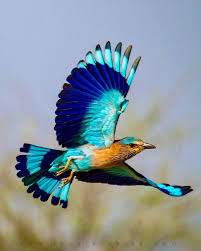
| Coloration | Pinkish face and throat, brown head and back, blue rump, and contrasting blue wings and tail |
| Preferred Habitat | Open landscapes, agricultural fields, urban areas |
| Geographical Range | India, Southeast Asia, Middle East |
| Diet | Insects, small reptiles, and other small animals |
| Hunting Technique | Soars and dives to catch prey, known for its colorful flight display |
| Behavior | Social during breeding season, solitary otherwise, territorial in nature |
| Cultural Significance | Symbol of good luck and prosperity in Indian culture |
| Unique Flight Patterns | Vibrant display in flight, often seen during traditional festivals and celebrations |
| Best Time to Observe | Early morning and late afternoon, when the bird is most active |
| Binoculars & Photography Tips | Use 8x to 10x zoom binoculars for viewing, 200mm or more telephoto lens for photography |
| Key Identification Features | Brown head and back, blue wings and tail, pinkish face and throat, often seen perched on poles or trees |
Physical Characteristics of the Indian Roller
The Indian Roller is a medium-sized bird that measures between 30 to 34 cm in length. Its wingspan spans between 65 to 74 cm, with an average weight ranging from 160 to 176 grams. Despite its moderate size, this bird stands out because of its colorful plumage and bold markings.
Size and Dimensions
- Length: 30–34 cm
- Wingspan: 65–74 cm
- Weight: 160–176 g
Coloration
The Indian Roller is renowned for its vibrant colors. Its face and throat are a soft pinkish hue, while the head and back are brown. The bird features a bright blue rump, and its wings and tail boast contrasting shades of light and dark blue. These bold colors are especially noticeable when the bird is in flight, making it easy to identify from a distance.
Key Identification Features
The Indian Roller’s distinct colors are its most notable feature. Look for its brown head and back, paired with a striking blue rump, wings, and tail. Its wings are elongated, and the bird’s face, neck, and throat are distinctly pinkish. When in flight, the Indian Roller often exhibits its dazzling display of color, making it one of the most stunning birds to observe in the wild.
Habitat and Distribution
The Indian Roller is widely distributed across India, Southeast Asia, and parts of the Middle East. It is adaptable to various environments, thriving in both natural and urban settings.
Geographical Range
The Indian Roller is found primarily in India and its surrounding regions, including Sri Lanka, Bangladesh, and parts of Southeast Asia, such as Thailand and Myanmar. It is also present in some Middle Eastern countries like Iraq and Iran. This bird prefers areas with open landscapes, where it can easily hunt and perch.
Preferred Habitat
Indian Rollers thrive in a wide range of habitats, from agricultural fields to open landscapes. They are commonly seen in rural areas, where they can perch on telephone poles or trees, but they have also adapted well to urban environments. In fact, they are often seen perched on buildings in cities. These birds are often found in areas with a mix of open land and scattered trees, making them well-suited to both rural and suburban areas.
Seasonal Movements
Unlike some bird species, the Indian Roller does not typically migrate long distances. Instead, it is considered a resident bird in most of its range, meaning it remains in its habitat year-round. However, in some regions, they may move seasonally based on local climate changes or availability of food.
Behavior and Diet
Indian Rollers are highly social birds with distinct hunting and feeding behaviors. Their interactions and diet play a crucial role in their role within the ecosystem.
Feeding Habits
The Indian Roller is primarily an insectivore, preying on insects like grasshoppers, beetles, and crickets. It is also known to hunt small reptiles, amphibians, and occasionally rodents. These birds typically hunt while perched on a tree or post, waiting for their prey to come into view.
Hunting Techniques
Indian Rollers are renowned for their hunting flight. Once they spot potential prey, they take off from their perch, swooping down to catch it with precision. Their ability to soar and dive with accuracy makes them efficient hunters. Their distinctive hunting behavior is often accompanied by a brief display of color as they glide gracefully through the air.
Social Behavior
Indian Rollers are generally solitary birds but can also be seen in pairs, especially during the breeding season. During this time, they engage in courtship displays, which may include flying in circles, calling, and showcasing their beautiful plumage. These birds are highly territorial, with pairs typically defending their nesting sites from other birds. However, they are also known to tolerate the presence of other bird species in their vicinity.
Conservation Status and Population Trends
The Indian Roller is currently listed as “Least Concern” by the International Union for Conservation of Nature (IUCN). This classification means that the species is not at immediate risk of extinction and has a stable or increasing population. In fact, the Indian Roller’s numbers have been rising in many parts of its range, thanks to its adaptability to various habitats, including urban environments.
Threats
While the Indian Roller is not facing severe threats at present, there are a few challenges that could impact its population. Habitat loss due to deforestation and agricultural expansion remains a concern in some regions. Additionally, although not common, hunting of Indian Rollers for their colorful feathers or for sport can also pose a threat to their numbers. Pollution and the degradation of natural habitats further complicate their survival in certain areas.
Conservation Efforts
Various efforts are underway to protect the Indian Roller and ensure its continued presence in the wild. Habitat conservation initiatives, including the protection of forests and rural landscapes, are essential to maintaining suitable environments for these birds. Additionally, local birdwatching organizations and wildlife groups are spreading awareness about the Indian Roller’s significance in the ecosystem. By educating the public about the importance of protecting these birds and their habitats, conservationists are helping secure a brighter future for the species.
Fun Facts about the Indian Roller
Cultural Significance
The Indian Roller holds great cultural importance, especially in Indian traditions. Often associated with good fortune and prosperity, the bird is considered auspicious in many regions. In fact, it is sometimes referred to as the “state bird” in certain parts of India, and it is featured in traditional folklore, symbolism, and art. In some cultures, the sighting of an Indian Roller is believed to bring good luck, further cementing its place in local heritage.
Unique Flight Patterns
One of the most mesmerizing aspects of the Indian Roller is its flight pattern. Known for its striking, colorful display while soaring through the sky, the bird’s vibrant plumage becomes especially noticeable during flight. This captivating display is often used during traditional festivals and celebrations, where people admire the bird’s graceful movements and vibrant hues. The Indian Roller’s ability to glide and swoop with such precision makes it a favorite among birdwatchers and nature enthusiasts.
How to Spot the Indian Roller
Best Time to Observe
The best time to observe the Indian Roller is during the early morning or late afternoon when the bird is most active. These times are ideal for birdwatching, as the light enhances the bird’s vivid colors and makes it easier to spot. Indian Rollers are often seen perched on trees, telephone poles, or even buildings, especially in rural or semi-urban areas. They are relatively easy to spot during the breeding season when their displays are at their peak.
Binoculars and Photography Tips
To get the best view of the Indian Roller, binoculars with a zoom range of 8x to 10x will help you observe the bird from a distance without disturbing its natural behavior. For photography, a telephoto lens (200mm or more) is recommended to capture its vibrant plumage in detail. When photographing the Indian Roller in flight, aim for a high shutter speed to freeze its movements and avoid blurring. Be patient, as these birds can be elusive, but with persistence and the right equipment, you can capture their beauty in full display.
Conclusion
The Indian Roller is not just a bird; it is a symbol of beauty, culture, and biodiversity. With its stunning colors, fascinating behaviors, and growing population, it is a bird that continues to inspire awe in both birdwatchers and nature lovers alike. While the species is currently stable, it is important to remain vigilant and support conservation efforts to ensure that the Indian Roller remains a vibrant part of our natural world.
By contributing to local conservation programs and practicing responsible birdwatching, we can help protect this magnificent species for future generations to enjoy. Whether you are a seasoned birdwatcher or a beginner, spotting the Indian Roller in its natural habitat is an experience that will stay with you for a lifetime. So, grab your binoculars, head outdoors, and be a part of the movement to preserve our planet’s diverse and fascinating wildlife.
