
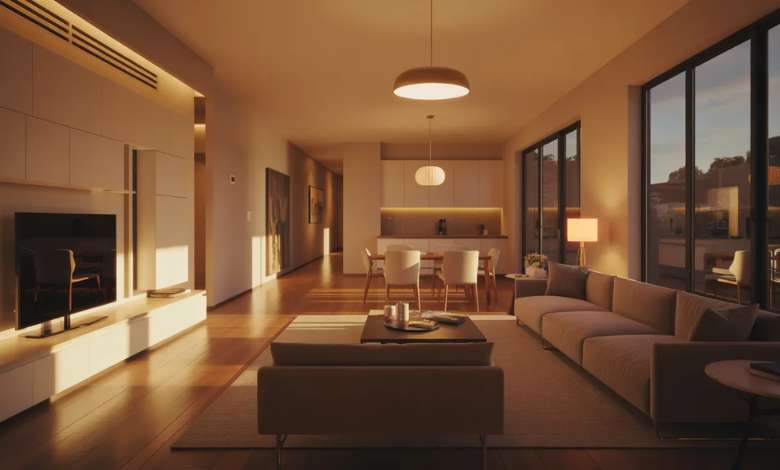
Direction in home means the way your house, rooms, doors, and windows face. It is linked with the four main directions: north, south, east, and west. A well-planned home direction can make daily life more comfortable and practical.
The direction of a home affects sunlight, airflow, comfort, privacy, and room planning. It can also change how warm or cool each room feels during the day. This guide explains the best direction for different rooms in a simple and easy way.
What Does Direction in Home Mean?
Direction in home refers to the position of a house or room according to north, south, east, and west. For example, a room may face east if its main windows open toward the sunrise. A main entrance may also face a specific direction.
Builders, homeowners, architects, and interior designers consider home direction during planning because it affects the whole living experience. Good home orientation helps improve natural light, air movement, room layout, and energy use. It also helps make the home more peaceful and functional.
Why Direction Is Important in a Home
Direction is important because it controls how much sunlight enters the home. Some rooms may receive soft morning light, while others may get strong afternoon heat. This difference can affect comfort, room temperature, and how often you need lights or fans.
A good direction also improves ventilation. Fresh air makes the home healthier and more pleasant. It supports better space planning, gives privacy to bedrooms, keeps kitchens safer, and makes living areas more open and welcoming for family and guests.
Best Direction for the Main Entrance
The main entrance is one of the most important parts of a home because it creates the first impression. It should be easy to access, clean, well-lit, and welcoming. A bright and open entrance makes the home feel more comfortable from the outside.
While choosing the direction of the main door, practical factors also matter. Road position, parking space, security, drainage, and street access should be considered. A beautiful entrance is useful only when it is also safe, convenient, and suitable for daily use.
Best Direction for the Living Room
The living room should feel bright, open, and comfortable because it is usually the main family space. A living room with good sunlight and airflow feels fresh during the day. It also creates a pleasant environment for guests and family gatherings.
Place windows where they can bring natural light without making the room too hot. Keep heavy furniture away from windows so air can move easily. Sofas, tables, and TV units should be arranged in a way that supports comfort, movement, and visibility.
Best Direction for the Bedroom
Bedrooms need privacy, peace, and comfort. The direction of a bedroom can affect sleep quality because it changes room temperature and light exposure. A bedroom that gets too much harsh sunlight may feel hot, while a dark room may feel dull.
Use curtains, blinds, or window shades to control light. Place the bed away from direct window glare if possible. Keep the bedroom layout simple, quiet, and private. Good airflow is also important, especially in warm weather or crowded areas.
Best Direction for the Kitchen
The kitchen needs proper light, ventilation, and safe movement. Cooking creates heat, smoke, smell, and moisture, so fresh air is very important. A kitchen with windows or an exhaust fan feels cleaner, safer, and easier to use every day.
The direction of the kitchen should support hygiene and convenience. Keep the cooking area, sink, storage, and worktop easy to reach. Avoid dark and closed kitchens because they can trap heat and smell. Good kitchen planning improves safety and cleanliness.
Best Direction for the Bathroom
Bathrooms need fresh air, sunlight, proper drainage, and moisture control. Poor ventilation can cause bad smell, dampness, mold, and wall damage. That is why bathroom direction and window placement should be planned carefully during construction or renovation.
If a bathroom does not have a window, an exhaust fan becomes very important. Use waterproofing to protect walls and floors from leakage. Sunlight, even for a short time, can help keep the bathroom dry, clean, and more hygienic.
Also Read: Home Generator Installation: A Simple Guide for Safe Backup Power
Best Direction for Study Room or Home Office
A study room or home office should support focus, calmness, and good lighting. Natural light helps reduce eye strain and makes the room feel more active. A bright but peaceful space can improve concentration during study, office work, or online meetings.
Place the desk where light comes from the side instead of directly into the eyes. Avoid noisy corners near busy streets if possible. Add storage shelves, a comfortable chair, and proper artificial lighting for evening work. A clean layout improves productivity.
Best Direction for Windows and Ventilation
Windows play a major role in home direction because they control both light and air. A room with the right window placement feels fresh and open. A room with poor window direction may feel dark, hot, or closed.
Cross-ventilation means air enters from one side and leaves from another side. This keeps the home naturally cooler and fresher. Use curtains, blinds, open spaces, and smaller ventilation openings to manage light, privacy, and airflow in a balanced way.
Direction and Natural Sunlight in Home
Sunlight changes throughout the day. Morning sunlight is usually softer and more pleasant, while afternoon sunlight can be stronger and hotter. This is why room direction matters when planning bedrooms, living rooms, kitchens, and work areas.
Natural sunlight makes a home feel fresh, bright, and healthy. It can reduce the need for artificial lighting during the day. However, too much direct sunlight can increase heat, so curtains, shades, plants, and proper window design are useful.
Direction and Home Temperature
Some rooms become warmer or cooler depending on their direction. Rooms facing strong sunlight may heat up quickly, especially in summer. Rooms with less sunlight may stay cooler but can also feel dark if not planned properly.
Simple solutions can improve temperature control. Use thick curtains, window shades, indoor plants, roof insulation, and proper ventilation. Good direction in home planning can also reduce energy use because you may need fewer lights, fans, or air conditioners.
Common Mistakes People Make with Home Direction
One common mistake is ignoring sunlight and airflow. Many people focus only on design and forget comfort. A house may look beautiful, but if it has poor ventilation, dark rooms, or too much heat, daily living becomes difficult.
Another mistake is placing rooms without thinking about privacy and function. Bathrooms and kitchens need ventilation. Bedrooms need peace. Windows should not be blocked with heavy furniture. Practical needs like parking, road access, drainage, and security should also be planned.
Practical Tips to Choose the Right Direction in Home
Before finalizing a house plan, check where sunlight enters during morning and afternoon. Visit the site at different times of the day if possible. This helps you understand heat, shade, light, and airflow before construction or renovation begins.
Keep rooms airy, bright, and practical. Think about your daily routine, privacy needs, family size, and climate. Plan windows carefully and avoid blocking air movement. The best home design balances beauty, comfort, function, safety, and long-term use.
Direction in Home and Interior Design
Direction also helps with interior design. A dark room may need lighter wall colors, mirrors, and warm lighting. A bright room may need soft curtains, balanced colors, and furniture placement that avoids glare from windows.
Interior designers use room direction to choose colors, lights, curtains, and furniture layout. For example, a hot sunny room may need cooling tones and window shades. A low-light room may need bright paint, reflective surfaces, and layered lighting.
Also Read: The Timeless Elegance of Gessolini: A Versatile and Durable Design Choice for Modern Interiors
FAQs
What is the best direction for a home?
The best direction for a home depends on sunlight, ventilation, road access, climate, privacy, and personal needs
Why is direction important in home planning?
Direction is important because it affects natural light, airflow, temperature, privacy, room layout, and energy use.
Which direction is best for a bedroom?
The best direction for a bedroom depends on comfort, privacy, and temperature control.
Which direction is best for a kitchen?
A kitchen should have good ventilation, natural light, and safe working space.
How do I check the direction of my home?
You can check the direction of your home by using a compass app, a physical compass, or asking a builder, architect, or interior designer.
Does direction affect room temperature?
Yes, direction affects room temperature because sunlight and airflow change how warm, cool, bright, or dark a room feels.
Final Thoughts
Direction in home matters because it affects sunlight, airflow, privacy, temperature, and comfort. A well-planned home is not only beautiful from the outside. It should also feel fresh, peaceful, safe, and easy to live in every day.
Before building, buying, or renovating a home, always consider direction. Check the entrance, rooms, windows, ventilation, and sunlight. A smart home direction plan can make your house more comfortable, practical, and energy-efficient for years.
