
Introduction
Choosing the right wall paint for small rooms is one of the most important steps in creating a beautiful and comfortable home. The color and finish you select can completely transform how a room looks and feels. In limited spaces, the wrong paint choice can make the area feel dark, narrow, and uncomfortable. It may even create a sense of clutter and stress.
On the other hand, the right wall color can make a small room appear brighter, wider, and more welcoming. It can improve natural light, enhance décor, and create a pleasant atmosphere for daily living. Light-reflecting colors and well-selected finishes help spread light evenly across walls, making the room feel open and fresh.
Paint color and finish also influence visual balance and interior harmony. Smooth finishes and soft shades improve visibility and reduce shadows. The purpose of this article is to guide homeowners in choosing the best wall paint for small rooms by understanding color psychology, lighting effects, space perception, and practical design techniques.
| Category | Best Choice | Why It Works for Small Rooms |
|---|---|---|
| Light Wall Colors | White, Off-White, Light Gray, Pastels | Reflect more light and make rooms look bigger |
| Dark Colors Usage | Navy, Charcoal, Forest Green (Accent wall) | Adds depth and style without shrinking space |
| Cool Colors | Light Blue, Soft Green | Visually recede and create an open, airy feel |
| Best Paint Finish | Eggshell, Satin | Reflects light softly and is easy to maintain |
| Ceiling Color | White, Cream, Pale Gray | Makes ceilings look higher and rooms brighter |
| Color Combinations | Two-tone, Monochrome | Adds balance and visual interest |
| Lighting Consideration | Natural + Warm Artificial Light | Enhances paint color appearance |
| Budget-Friendly Option | Durable, High-Coverage Paint | Reduces repainting and saves money |
| Eco-Friendly Choice | Low-VOC Paints | Improves indoor air quality |
| Testing Method | Sample Swatches & Digital Tools | Prevents wrong color selection |
Understanding How Paint Affects Small Spaces
Paint plays a powerful role in shaping how we perceive the size and comfort of a room. Light-colored paints reflect sunlight and artificial light, making walls appear farther apart. This reflection creates a visual illusion of space, which is especially helpful in small bedrooms, compact living rooms, narrow corridors, and apartments.
Dark colors absorb light instead of reflecting it. When used without proper planning, they can make a room feel smaller and heavier. However, when balanced with good lighting, dark shades can also add depth and character.
Natural light from windows, doors, and balconies greatly influences how paint colors appear. Rooms with large windows can handle slightly deeper shades, while rooms with limited sunlight require brighter colors to avoid a dull appearance. Artificial lighting also affects color tone. Warm lights soften shades and create a cozy feeling, while cool lights make colors appear sharper and more modern.
Colors also have a strong psychological effect. Soft neutrals promote calmness and relaxation. Blue and green shades reduce stress. Warm tones create comfort and energy. Dark colors add drama and elegance. Understanding these emotional effects helps homeowners select paint that supports mental comfort, productivity, and peace in small spaces.
Best Light Colors for Small Rooms
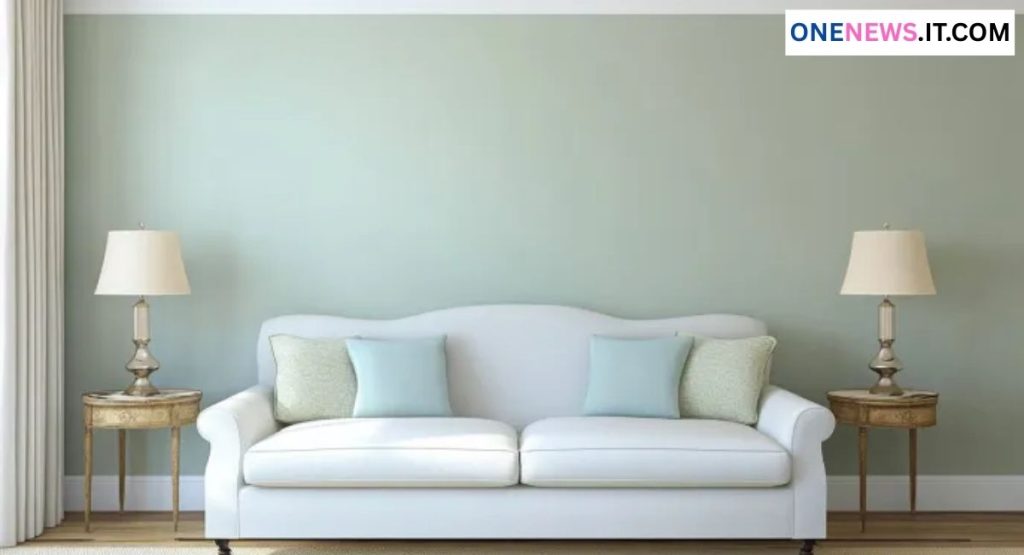
Light colors are the most recommended option for small rooms because they naturally increase brightness and openness. White and off-white shades are timeless choices that reflect maximum light. They create a clean, airy, and spacious look and match easily with any furniture or décor style.
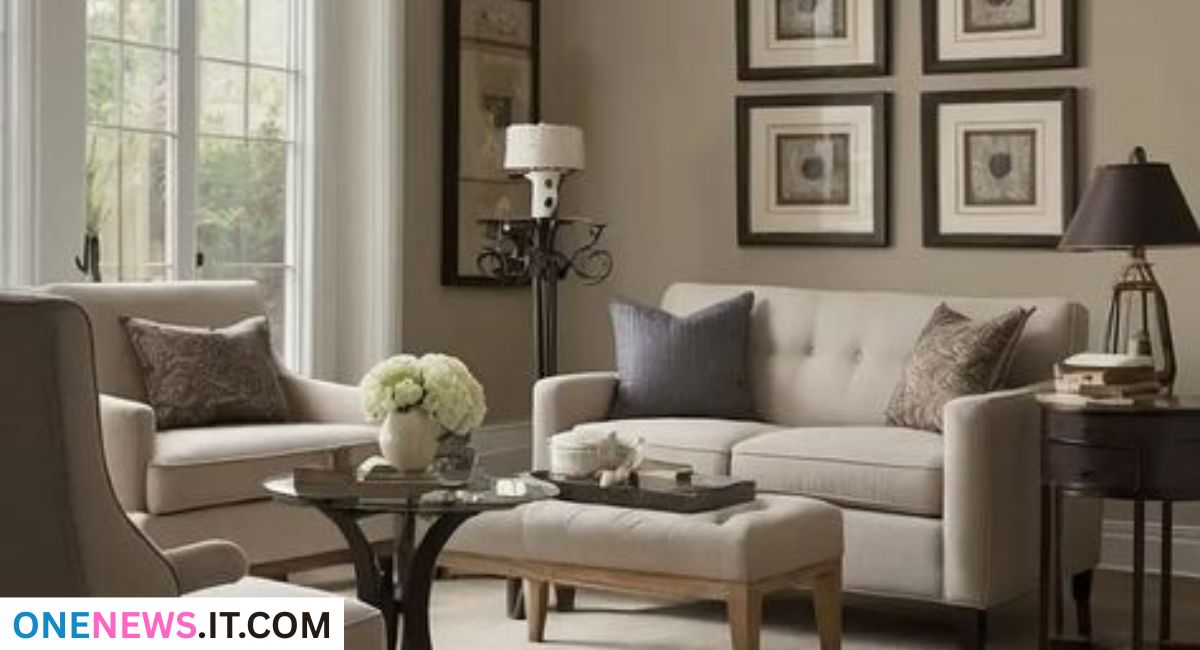
Soft beige and cream tones offer warmth without reducing brightness. These shades are ideal for people who prefer a cozy and inviting atmosphere while still maintaining visual space. They work beautifully in bedrooms and living areas.
Light gray and greige (a blend of gray and beige) are modern neutral colors that provide elegance and balance. These shades look stylish and professional while keeping the room visually open.
Pastel shades such as mint green, blush pink, lavender, and sky blue bring gentle color into small rooms without overwhelming them. They add personality, charm, and softness. These shades are perfect for children’s rooms, study areas, and creative spaces.
Pale neutral colors also make interior design easier. They allow furniture, curtains, wall art, and decorative items to stand out. This creates harmony and balance in small spaces.
Using Dark Colors in Small Rooms (When and How)
Dark colors can also be used in small rooms when applied wisely. In well-lit spaces with good sunlight or strong artificial lighting, deep shades can create a warm, stylish, and luxurious atmosphere. Navy blue, charcoal gray, forest green, and deep brown are popular choices in modern home design.
Instead of painting all walls in dark colors, many interior designers suggest using an accent wall. An accent wall is one wall painted in a darker shade while the remaining walls stay light. This adds depth, character, and visual interest without making the room feel closed.
If you decide to paint the entire room in a dark shade, balance becomes essential. Light-colored furniture, white ceilings, mirrors, and reflective décor should be added to maintain brightness. Bright lamps and ceiling lights are also important.
Smart lighting, minimal décor, and simple furniture designs help dark-colored rooms remain comfortable and attractive instead of heavy and crowded.
Cool Colors That Make Rooms Look Bigger
Cool colors are known for their ability to visually expand small spaces. Soft blues and light greens are especially effective because they create a feeling of distance. These colors appear to move backward visually, making walls seem farther apart.
Light blue shades are ideal for bedrooms and study rooms because they promote relaxation, better sleep, and mental clarity. Soft green tones connect the room with nature and bring freshness and balance to living spaces.
These cool shades work best when combined with white ceilings, light wooden furniture, and neutral décor. Sheer curtains and simple lighting also enhance their effect.
For maximum results, pair cool wall colors with light-colored carpets, soft cushions, and minimal accessories. This combination keeps the room bright, peaceful, and visually spacious.
Choosing the Right Paint Finish
Paint finish is just as important as color when decorating small rooms. Each finish reflects light differently and affects both appearance and maintenance.
Matte finishes offer a smooth and elegant look but absorb more light. They are suitable for low-traffic areas such as guest rooms. However, they are harder to clean.
Satin and semi-gloss finishes reflect more light and are easy to maintain. They are good for kitchens, bathrooms, and children’s rooms. However, they may highlight wall imperfections.
Eggshell finish is considered the best choice for most small rooms. It provides a soft shine that gently reflects light without looking glossy. It hides minor flaws and is easy to clean. This makes it ideal for bedrooms, living rooms, and hallways.
When selecting a finish, always consider room usage, durability, moisture levels, and cleaning needs. Choosing the right finish improves both beauty and long-term performance.
Room-by-Room Paint Color Recommendations
Small Bedroom Paint Ideas
Small bedrooms need calm and relaxing colors. Soft neutrals, pastel shades, and light blues work best. Off-white, pale gray, and lavender create a peaceful atmosphere that improves sleep quality and comfort.
Small Living Room Color Choices
Living rooms benefit from warm neutrals, beige, and soft gray shades. These colors create a welcoming environment for guests and family. Accent walls in navy blue or forest green can add modern style.
Bathroom and Kitchen Color Tips
Small bathrooms and kitchens look best with white, cream, and pastel shades. These colors reflect light and create a clean, hygienic appearance. Moisture-resistant satin or semi-gloss finishes are recommended for durability and easy cleaning.
Home Office and Study Room Shades
For home offices and study areas, light green, soft blue, and light gray are excellent choices. These colors improve focus, reduce eye strain, and create a professional and productive environment.
Paint Color Combinations for Small Rooms
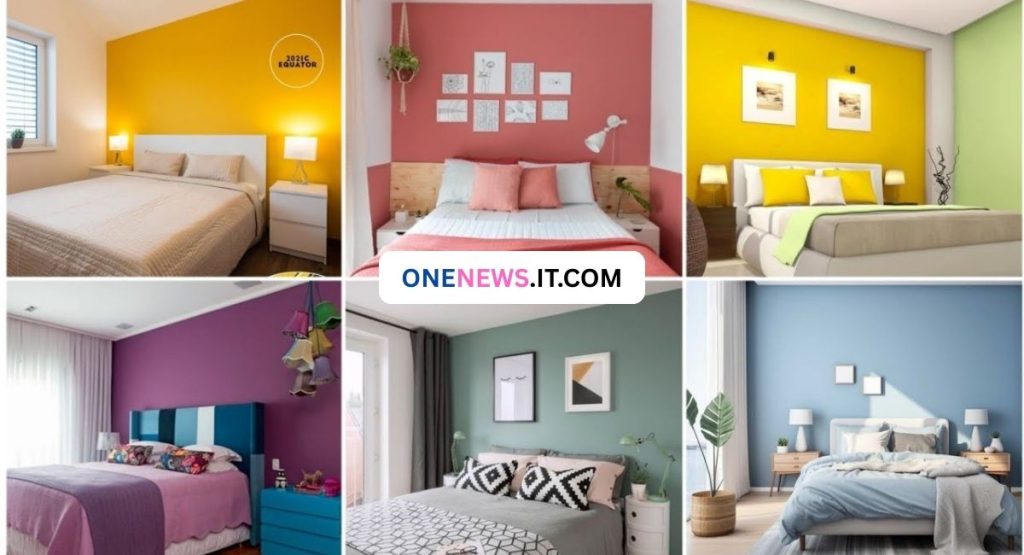
Choosing the right paint color combinations can greatly enhance the beauty and functionality of small rooms. Well-balanced color pairings add depth, elegance, and visual interest without making the space feel crowded or heavy. When colors work in harmony, they create a sense of openness and comfort.
Two-tone walls are a stylish and practical option for compact spaces. This design technique involves painting the lower portion of the wall in a slightly darker shade and the upper section in a lighter tone. This creates the illusion of height and makes ceilings appear taller. For example, combining light gray with white, beige with cream, or pastel blue with soft white produces a refined and spacious effect.
Accent walls are another powerful design element. By painting one wall in a deeper or bolder shade, you create a focal point that adds personality and charm to the room. The remaining walls stay light, maintaining brightness and balance. Accent walls work especially well behind beds, sofas, televisions, or study desks, giving the room a modern and stylish appearance.
Ceiling and trim color matching also plays an important role in small-room design. Painting ceilings in white or very light shades helps reflect natural and artificial light, making the room feel taller and more open. Matching door frames, window trims, and baseboards with the ceiling color creates a seamless look that visually expands the space.
Monochrome color schemes use different tones of the same color throughout the room. For example, light blue walls paired with medium-blue curtains and darker cushions create a layered and harmonious design. This approach reduces visual clutter, promotes balance, and gives the room a calm, well-organized appearance.
Common Mistakes to Avoid When Painting Small Rooms
Many homeowners unknowingly make mistakes that reduce the comfort and visual appeal of small spaces. Avoiding these common errors can save time, money, and frustration while ensuring better long-term results.
One major mistake is using overly dark colors without proper planning. Dark shades can look beautiful, but without enough lighting, they can make rooms feel narrow and gloomy. Always test dark colors and evaluate lighting before applying them to all walls.
Another frequent mistake is ignoring lighting conditions. Paint colors often appear different in showrooms or online photos. In real homes, natural and artificial lighting can change how colors look. Without proper testing, walls may appear dull, uneven, or unattractive.
Choosing the wrong paint finish can also cause problems. High-gloss finishes highlight cracks and imperfections, while matte finishes may stain easily. Selecting the appropriate finish ensures durability, easy maintenance, and a polished appearance.
Poor color coordination between walls, furniture, curtains, carpets, and accessories can disrupt visual harmony. When colors clash or compete, the room feels messy and uncomfortable. A unified color palette creates balance and elegance.
Tips to Make Small Rooms Look Bigger with Paint
With smart painting techniques, even the smallest room can appear larger, brighter, and more inviting.
Vertical color techniques involve using lighter shades at the top and slightly darker tones at the bottom. This draws the eye upward and makes ceilings seem higher. Vertical stripes can also add height and elegance.
Horizontal color techniques, such as lighter upper walls and darker lower sections, make narrow rooms feel wider. This method works well in hallways and compact living areas.
Light-colored ceilings are highly recommended for small spaces. White, cream, or pale gray ceilings reflect light and prevent a closed-in feeling. A bright ceiling visually lifts the entire room.
Using reflective surfaces such as mirrors, glass tables, glossy décor, and metallic accessories helps bounce light around the room. When combined with light wall colors, these elements increase brightness and openness.
Matching wall colors with furniture tones creates visual continuity. When walls blend smoothly with sofas, cabinets, and shelves, the room appears less cluttered and more spacious.
How to Test Paint Before Final Selection
Testing paint before making a final choice is essential for achieving professional-looking results and avoiding disappointment.
Using sample swatches is the simplest method. Apply small patches on different walls and observe how the color looks in real conditions.
Testing in different lighting reveals the true nature of a shade. A color may appear warm in sunlight and cool under artificial lighting. Always examine it in the morning, afternoon, and evening.
Digital visualization tools provided by paint companies allow homeowners to upload room photos and experiment with colors virtually. These tools help compare options and reduce guesswork.
Observing colors at different times of day provides valuable insight into how the paint reacts to changing light. This step ensures confidence in your final selection.
Budget-Friendly Paint Ideas for Small Spaces
Creating a beautiful small room does not require a large budget. With thoughtful planning, stylish results can be achieved at affordable costs.
Many affordable paint brands now offer excellent quality, strong coverage, and long-lasting finishes at reasonable prices. Always check customer reviews and durability ratings.
DIY painting techniques such as cleaning walls, filling cracks, applying primer, and using quality brushes can significantly reduce professional labor costs. Proper preparation improves paint performance and longevity.
Cost-saving strategies include painting only feature walls, reusing leftover paint for touch-ups, and purchasing paint during seasonal sales and promotions.
Choosing long-lasting paint options minimizes the need for frequent repainting. High-quality paints resist stains, fading, and peeling, making them a smart long-term investment.
Eco-Friendly and Low-VOC Paint Options
Eco-friendly paints are becoming increasingly popular as homeowners focus on health and sustainability.
Maintaining healthy indoor air quality is especially important in small rooms where airflow may be limited. Traditional paints can release harmful chemicals that affect breathing and comfort.
Low-VOC (Volatile Organic Compounds) paints emit fewer toxic fumes and unpleasant odors. They are safer for children, elderly people, and individuals with allergies or respiratory issues.
The benefits of low-VOC paints include faster drying, reduced smell, improved comfort, and environmental protection. These paints contribute to healthier living spaces.
Many leading manufacturers now offer eco-friendly paint options made from natural and sustainable materials, combining safety, beauty, and durability.
Frequently Asked Questions (FAQs)
Which color makes a small room look bigger?
Light shades such as white, cream, pale gray, soft blue, and pastel tones reflect light and create a spacious feel.
Is white always the best choice?
White is very effective, but soft beige, light green, and pale blue can also provide warmth and elegance.
Can dark colors work in small rooms?
Yes, when used as accent walls or combined with good lighting and light décor, dark colors can add depth and style.
What finish is best for durability?
Eggshell and satin finishes offer the best balance of durability, easy cleaning, and visual appeal.
Conclusion
Choosing the best wall paint for small rooms requires careful attention to color selection, finish type, lighting conditions, and design balance. Light shades, cool tones, and soft neutrals help create openness, while dark colors add depth when applied wisely. The right finish improves both appearance and durability.
Testing colors, avoiding common mistakes, using smart design techniques, and selecting eco-friendly options all contribute to successful results. Budget-friendly planning and quality materials also ensure long-lasting beauty.
In conclusion, transforming small spaces begins with choosing the right combination of color and finish. With thoughtful planning, creative ideas, and careful execution, even the smallest room can become bright, stylish, comfortable, and visually spacious.
