
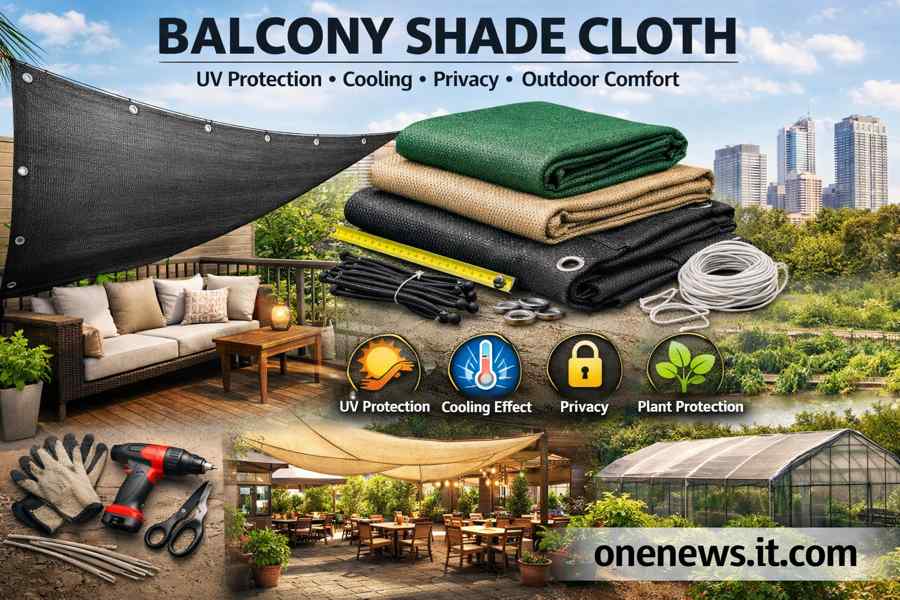
Introduction: What Is Balcony Shade Cloth?
Balcony shade cloth is a specially designed outdoor fabric that helps protect balconies, patios, and terraces from strong sunlight, excessive heat, and harsh weather conditions. It is mainly used to reduce sun exposure, block harmful UV rays, and create a cooler, more comfortable outdoor environment. With the growing trend of apartment living and compact homes, many people now use shade cloth to make better use of their balcony spaces.
In modern cities, most apartments have open balconies that receive direct sunlight for several hours every day. During summer, this intense heat and glare can make balconies difficult to use. Furniture may fade, floors may become hot, and residents may avoid spending time outdoors. Balcony shade cloth provides a simple, affordable, and effective solution to these problems.
Besides protecting from sunlight, shade cloth also helps reduce indoor temperatures by blocking heat before it enters the home. It improves privacy by covering open railings and blocking unwanted views from nearby buildings. As a result, balconies become peaceful, relaxing, and functional spaces for sitting, gardening, or enjoying fresh air. Today, balcony shade cloth is widely used in homes, apartments, rooftops, patios, and outdoor seating areas.
What Is Balcony Shade Cloth Made Of?
Most high-quality balcony shade cloth is made from High-Density Polyethylene (HDPE), a strong, lightweight, and long-lasting plastic material. HDPE fabric is specially designed for outdoor use. It is resistant to moisture, mold, mildew, and sunlight damage, making it highly durable in different weather conditions.
Shade cloth is generally available in two main structures: knitted and woven. Knitted shade cloth is flexible and breathable, allowing better air circulation and reducing heat buildup. Woven shade cloth has a tighter structure and provides higher shade coverage, making it suitable for areas with strong sunlight.
To increase durability, most shade fabrics are treated with UV-resistant coatings. These coatings prevent fading, cracking, and weakening over time. The fabric is also weatherproof, meaning it can withstand rain, wind, dust, and pollution. For secure installation, the edges are reinforced, and rust-proof metal grommets are added.
Many modern shade cloth products are eco-friendly and recyclable. They are designed to reduce environmental impact and support sustainable living. This makes balcony shade cloth an excellent choice for homeowners who want both comfort and environmental responsibility.
How Balcony Shade Cloth Works
Balcony shade cloth works by filtering sunlight and blocking harmful ultraviolet rays before they reach your outdoor space. Instead of completely blocking natural light, the fabric allows soft, diffused sunlight to pass through. This creates a bright yet comfortable environment without harsh glare.
By limiting direct sun exposure, shade cloth reduces surface temperatures on floors, walls, and furniture. It helps prevent heat buildup and keeps the balcony cooler throughout the day. This makes it easier to relax, read, work, or spend time outdoors even during hot weather.
Another important feature of shade cloth is its breathability. The woven or knitted structure allows fresh air to circulate freely. This prevents trapped heat and humidity and improves ventilation. As a result, the balcony remains fresh and pleasant.
Key Benefits of Using Balcony Shade Cloth
One of the biggest advantages of balcony shade cloth is its strong sun and UV protection. It helps protect your skin from sunburn, prevents furniture from fading, and reduces damage to flooring caused by long-term sun exposure.
Shade cloth also provides excellent temperature control. By blocking excessive heat, it keeps balconies cooler in summer and reduces heat transfer into indoor rooms. This lowers the need for air conditioning and improves overall home comfort.
Privacy is another major benefit. Shade cloth blocks views from nearby buildings, streets, and neighbors. It allows you to enjoy your balcony without feeling exposed, creating a calm and private atmosphere.
For plant lovers, shade cloth offers valuable protection. It prevents plants from overheating and drying out. Balanced sunlight helps promote healthy growth and reduces heat stress.
In addition, shade cloth supports energy efficiency by lowering cooling costs. It also improves the appearance of balconies, giving them a neat, modern, and organized look that enhances property value.
Different Types of Balcony Shade Cloth
Based on Shade Percentage
Shade cloth is available in different shade levels, depending on how much sunlight it blocks.
- 50% shade cloth allows moderate sunlight and is ideal for light shading and gardening.
- 70% shade cloth provides balanced protection and works well for seating areas.
- 80% shade cloth offers strong sun blocking and cooling performance.
- 90%+ shade cloth delivers maximum shade and privacy for high-exposure balconies.
Choosing the correct shade percentage depends on climate, sun direction, and personal comfort needs.
Based on Material
Different materials offer different performance and durability.
- HDPE shade cloth is the most popular due to its strength and UV resistance.
- Polyester shade fabric is soft and stylish but less durable outdoors.
- PVC-coated mesh is waterproof and suitable for heavy-duty applications.
- Canvas shade cloth provides thick coverage but needs regular maintenance.
Selecting the right material ensures long-term satisfaction and better performance.
Based on Design
Design options help customize balcony shading systems.
- Mesh shade cloth allows airflow and partial sunlight.
- Solid fabric panels provide complete shade and privacy.
- Custom-cut shades fit unique balcony shapes.
- Roll-up shade systems offer adjustable coverage.
These designs allow homeowners to match shading solutions with their lifestyle and space.
Choosing the Right Shade Percentage for Your Balcony
For gardening and plant care, 50% to 70% shade cloth is usually ideal because it allows enough sunlight for photosynthesis. For relaxing and daily use, 70% to 80% shade cloth offers a comfortable balance between light and shade.
In areas with intense sunlight and high temperatures, 80% to 90% shade cloth is recommended for better heat control. For privacy-focused balconies, higher shade percentages provide stronger visual blocking.
Regional climate plays an important role. Hot and sunny regions need higher shade levels, while cooler areas can use lighter fabrics. Choosing the right percentage improves comfort and long-term usability.
Popular Colors and Their Impact
Black shade cloth is highly effective at blocking sunlight and is commonly used in very hot climates. Green shade cloth blends naturally with plants and creates a garden-like atmosphere.
Beige and sand colors provide a soft, modern appearance and reflect moderate heat. Grey and white shades brighten the space and make small balconies look larger and more open.
Color affects heat absorption and light control. Dark colors absorb more heat, while lighter colors reflect sunlight. Selecting the right color helps achieve the desired balance between comfort and aesthetics.
How to Measure Your Balcony for Shade Cloth
To ensure a perfect fit, measure the width and height of your balcony using a measuring tape. Always measure from edge to edge where the shade cloth will be installed.
Add extra inches on each side to allow proper fastening and tension. Take into account railings, walls, poles, and corners during measurement.
For irregular-shaped balconies, measure each section separately and create a simple sketch. Accurate measurements prevent fabric waste, poor fitting, and installation issues.
Installation Methods for Balcony Shade Cloth
Using Zip Ties
Zip ties are the simplest and fastest installation method. Align the shade cloth with balcony railings, insert zip ties through the grommets, and tighten them firmly.
This method is ideal for metal railings and temporary setups. It is affordable, easy to install, and easy to remove.
sing Ropes or Cords
Ropes and nylon cords offer flexible installation. They allow you to adjust tension and reposition the cloth when needed.
This method is suitable for renters and seasonal use because it does not require drilling.
Using Hooks and Eye Screws
For permanent installations, hooks and eye screws are fixed into walls or ceilings. The shade cloth is then attached securely.
This method provides strong support and is ideal for windy locations.
Tension Wire System
A tension wire system uses steel cables to stretch shade cloth tightly across the balcony. It creates a clean, professional, and modern appearance.
Step-by-Step Installation Guide
Installing balcony shade cloth correctly is essential for achieving strong support, long-lasting performance, and a clean, professional look. With proper preparation and basic tools, most homeowners can complete the installation without professional help. A well-installed shade cloth improves safety, durability, and overall comfort.
Required Tools and Accessories
Before starting, collect all necessary tools and accessories. These usually include shade cloth panels, zip ties or nylon ropes, measuring tape, scissors or cutters, hooks, eye screws, tension wires, ladder, safety gloves, and, if needed, a drill. Having all items ready in advance saves time and helps you work smoothly without interruptions.
Preparing the Balcony Area
Begin by cleaning the balcony railings, walls, and fixing points. Remove dust, rust, grease, and loose paint. Inspect the area for sharp edges, broken screws, or rough surfaces that may damage the fabric. If required, cover sharp corners with protective tape. Make sure the surface is dry, stable, and strong enough to hold the shade cloth securely.
Attaching Grommets Securely
Place the shade cloth against the balcony structure and align it properly. Start attaching from one corner using zip ties, ropes, or hooks through the rust-proof grommets. Move slowly from one side to the other, keeping the fabric straight. Secure each grommet firmly and evenly to distribute weight and prevent tearing. Proper alignment ensures better appearance and stronger support.
Adjusting Tension
After fixing all sides, gently adjust the tension. The fabric should be tight enough to prevent sagging and flapping in the wind, but not too tight to cause stretching or damage. Balanced tension improves wind resistance, increases durability, and gives the balcony a neat, finished look.
Safety Tips During Installation
Always use a stable ladder and place it on a flat surface. Wear protective gloves to avoid injuries from metal parts or sharp edges. Avoid installation during heavy wind, rain, or extreme heat. If drilling holes, wear safety glasses and follow proper electrical safety guidelines. Working carefully prevents accidents and ensures a smooth installation process.
Maintenance and Cleaning Tips
Regular care and maintenance help keep balcony shade cloth clean, attractive, and functional for many years. Proper cleaning also improves airflow, appearance, and fabric strength.
Regular Dust Removal
Dust and dirt should be removed at least once a week using a soft brush, broom, or water spray. This prevents dirt buildup and keeps the fabric breathable. Clean surfaces also improve shade performance and visual appeal.
Washing with Mild Soap
Every few months, wash the shade cloth using mild soap and lukewarm water. Gently clean stained areas with a soft sponge or cloth. Rinse thoroughly to remove soap residue. Avoid harsh chemicals, bleach, and high-pressure washers, as they can weaken the fabric and damage UV coatings.
Preventing Mold and Mildew
Good airflow and sunlight exposure help prevent moisture buildup. Make sure the shade cloth dries completely after rain. If mold appears, clean it immediately using mild detergent and water. Dry the fabric fully before reinstalling to avoid future growth.
Storage During Extreme Weather
During storms, snowfall, or strong winds, remove the shade cloth and store it in a dry, well-ventilated place. Roll it neatly and keep it away from moisture. Proper storage prevents stretching, cracking, and discoloration.
Extending Product Lifespan
Inspect the fabric, grommets, and ties regularly. Replace damaged accessories immediately. Avoid pulling the fabric too tightly and protect it from sharp objects. With proper care, high-quality shade cloth can last for many years.
Balcony Shade Cloth vs Other Shading Options
When selecting an outdoor shading solution, it is important to compare shade cloth with other popular options.
| Feature | Shade Cloth | Curtains | Awnings | Umbrellas |
|---|---|---|---|---|
| UV Protection | High | Medium | High | Medium |
| Durability | High | Low | High | Medium |
| Cost | Low | Medium | High | Medium |
| Maintenance | Low | High | Medium | Medium |
Balcony shade cloth stands out because it combines strong UV protection, long durability, and low cost. Unlike curtains, it does not require frequent washing. Compared to awnings, it is much more affordable. It also provides better coverage than umbrellas, making it a practical long-term solution.
Common Mistakes to Avoid
Many users make small mistakes that reduce shade cloth performance and lifespan. Avoiding these errors helps ensure better comfort and durability.
One common mistake is choosing the wrong shade percentage. Low shade levels offer poor sun protection, while extremely high levels block natural light. Another mistake is buying low-quality fabric that fades, tears, or weakens quickly.
Loose installation is also a frequent issue. Poorly secured cloth flaps in strong winds and wears out faster. Ignoring weather resistance can lead to early damage. Blocking airflow completely is another mistake, as it increases heat and reduces ventilation.
Careful planning and proper installation help prevent these problems.
Best Uses of Balcony Shade Cloth
Balcony shade cloth is highly versatile and suitable for many outdoor environments.
It is widely used on apartment balconies to create private, cool, and relaxing sitting areas. On rooftop terraces, it provides shade for family gatherings and social events.
In garden seating areas, shade cloth protects visitors from sun and glare. Outdoor cafés and restaurants use it to improve customer comfort and reduce cooling costs. Greenhouses and nurseries depend on shade cloth to control sunlight and protect delicate plants.
These diverse uses make shade cloth ideal for both residential and commercial spaces.
Cost of Balcony Shade Cloth
The price of balcony shade cloth depends on size, material quality, shade percentage, and brand. In general, it is one of the most affordable outdoor shading solutions.
Average Price Ranges
Standard-sized panels are usually budget-friendly. Custom-made or heavy-duty fabrics cost more. Higher UV protection and thicker materials also increase price.
Factors Affecting Cost
Key cost factors include fabric type, design, accessories, installation method, and local market rates. Imported or premium brands may be more expensive.
DIY vs Professional Installation
DIY installation saves money and works well for simple setups. Professional installation costs more but ensures perfect fitting, safety, and long-term durability.
Long-Term Value Comparison
Although prices vary, shade cloth offers excellent long-term value. Its durability, low maintenance, and energy-saving benefits make it a cost-effective investment.
Environmental Benefits of Shade Cloth
Balcony shade cloth supports eco-friendly living by reducing heat absorption and lowering indoor cooling needs. This decreases electricity consumption and saves energy.
It creates shaded environments that protect plants, birds, and small wildlife. Many modern shade fabrics are made from recyclable and sustainable materials.
By reducing dependence on air conditioning, shade cloth helps lower carbon emissions and supports environmentally responsible lifestyles.
Frequently Asked Questions (FAQs)
How long does shade cloth last?
With proper care, high-quality shade cloth can last between 5 and 10 years.
Is it waterproof?
Most shade cloth is water-resistant but not fully waterproof. It allows rainwater to pass through.
Can it be cut to size?
Yes, shade cloth can be trimmed. However, edges should be reinforced to prevent fraying.
Will it block rain?
It reduces light rain but does not provide complete rain protection.
Is it suitable for windy areas?
Yes, when installed tightly with strong supports, it performs well in windy conditions.
Conclusion: Is Balcony Shade Cloth Worth It?
Balcony shade cloth is a practical, affordable, and efficient solution for improving outdoor comfort. It provides strong UV protection, effective cooling, privacy, and energy savings. Its durability, easy installation, and low maintenance make it ideal for modern homes and commercial spaces.
It is suitable for apartment residents, homeowners, gardeners, café owners, and business operators who want comfortable outdoor areas without high costs. When purchasing shade cloth, always focus on fabric quality, correct shade percentage, and proper installation.
By investing in balcony shade cloth, you can transform your balcony, terrace, or patio into a cool, private, and relaxing space that can be enjoyed throughout the year. 🌿
