
Introduction
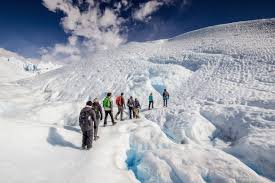
Glacier hiking is an extraordinary adventure that combines the excitement of trekking with the challenge of mountaineering, allowing adventurers to explore some of the world’s most awe-inspiring and remote ice-covered landscapes. Unlike traditional hiking, which follows well-established trails, glacier hiking invites you to traverse massive ice fields, navigate around deep crevasses, and walk beneath towering ice formations that seem to sparkle under the sun. This thrilling activity offers an unparalleled connection to nature’s raw beauty, drawing travelers from all over the globe to regions known for their frozen landscapes. Destinations like Iceland, Norway, and the Alps have become top spots for glacier enthusiasts, offering breathtaking vistas and the rare opportunity to hike on centuries-old glaciers, their surfaces ever-shifting with time. The allure of standing on ice that’s been carved by nature over millennia makes glacier hiking an experience like no other.
| Topic | Detail |
|---|---|
| Role of a Guide | A guide ensures safety, leads the hike, and educates about glaciers. |
| Safety Precautions | Guides help avoid crevasses, loose ice, and slippery terrain. |
| Physical Demands | Glacier hiking requires strength, endurance, and balance on icy surfaces. |
| Best Time to Go | Summer offers mild weather, while winter provides a quieter, pristine experience. |
| Benefits of Glacier Hiking | Builds physical strength, enhances emotional well-being, and connects you with nature. |
What is Glacier Hiking?
Glacier hiking is the adventurous pursuit of trekking across glaciers, which are large, slowly moving masses of ice that form from accumulated snowfall over many years. Unlike regular hiking, where the terrain is often more predictable, glacier hiking presents a dynamic and challenging landscape. To traverse these icy realms safely, hikers must use specialized gear and techniques designed for icy conditions. Key equipment includes crampons, which are metal spikes that attach to the soles of your boots for traction; ice axes, essential tools for maintaining balance and stopping a fall; and helmets to protect against falling ice or rocks. Glacier hikers also need to remain vigilant of hidden crevasses, deep cracks in the ice that can be dangerous, making it critical to have expert guidance. While some may choose to hike independently, many prefer to go with a certified guide to ensure safety and to learn more about the geological and environmental significance of the glaciers they are exploring.
Why is Glacier Hiking Popular?
The growing popularity of glacier hiking stems from its unique combination of adventure, natural beauty, and exploration. As a thrilling outdoor activity, it offers an opportunity to explore vast, untouched terrains that few others have walked upon. What makes glacier hiking particularly captivating is the chance to witness nature’s frozen masterpieces firsthand. Glacier landscapes are in constant motion, with ice formations evolving and melting, offering a different experience with each visit. The ice often glows in mesmerizing shades of blue and white, and the surfaces can be sculpted into fascinating shapes and textures, creating a dreamlike, otherworldly atmosphere. As you navigate across crevasses and frozen cliffs, the grandeur of the environment and the feeling of walking on a living, breathing glacier create an overwhelming sense of awe. These ever-changing glaciers serve as perfect photography backdrops, making glacier hiking not only an adventure but also an opportunity to capture once-in-a-lifetime images.
Essential Gear for Glacier Hiking
To safely enjoy the thrill of glacier hiking, it’s essential to equip yourself with the proper gear. This specialized equipment is designed to help you navigate the icy terrain, protect you from the elements, and ensure your safety during the trek. Here’s a closer look at the essential items you’ll need:
- Crampons: These metal spikes are fastened to your hiking boots to prevent slipping on the slippery surface of glaciers. They provide critical traction and stability as you move across the ice.
- Ice Axes: Used primarily for balance and for self-arresting (stopping a fall), ice axes are indispensable when hiking on steep or uneven glacier surfaces. They are also helpful for climbing short sections of ice walls.
- Helmets: Glaciers can pose risks such as falling ice or rocks, which is why helmets are crucial for head protection. They safeguard you from potential injuries caused by debris or unexpected ice falls.
- Sturdy Hiking Boots: These are the foundation of your glacier hiking gear. Boots should be durable, waterproof, and comfortable to support your weight and provide grip on the icy surfaces.
- Waterproof Layers: Since glaciers are often in cold, wet environments, it’s vital to wear layered clothing that keeps you warm and dry. Waterproof jackets, pants, and gloves are essential to protect against the cold and moisture.
- Safety Ropes and Harnesses: For glacier hiking in more challenging areas, such as those with deep crevasses, ropes and harnesses are essential for safety. They allow you to remain secured to the group and provide the necessary support in case of a fall.
Popular Glacier Hiking Locations
Glacier hiking can be experienced in some of the world’s most stunning and awe-inspiring regions. Here are some of the top destinations where you can embark on an unforgettable glacier adventure:
- Iceland:
- Vatnajökull: Europe’s largest glacier, Vatnajökull offers diverse hiking opportunities, including ice cave exploration and treks to see the stunning glacier tongues. The landscape is dotted with dramatic ice formations, making it an ideal place for both beginners and experienced hikers.
- Sólheimajökull: Located on Iceland’s south coast, this glacier is one of the most accessible for hikers. The striking ice formations and panoramic views make it a popular choice for guided glacier tours, providing a great opportunity to explore the frozen wonders of the island.
- Norway:
- Jostedalsbreen: As the largest glacier in mainland Europe, Jostedalsbreen offers breathtaking hiking routes with a variety of landscapes, including lush valleys, ice cliffs, and deep blue lakes. The glacier is a prime destination for adventurous hikers seeking both challenges and spectacular scenery.
- Hardangerjøkulen: A lesser-known gem, this glacier offers an off-the-beaten-path experience for those seeking solitude and tranquility. Located in southern Norway, Hardangerjøkulen presents fewer crowds but equally stunning views of pristine ice landscapes.
- The Alps:
- Mont Blanc: Known as the “Roof of Europe,” Mont Blanc attracts glacier hikers from all over the world. The area offers a mix of mountaineering and glacier hiking, where adventurers can trek along the glacier and marvel at the breathtaking mountain scenery.
- Aletsch Glacier: The largest glacier in the Alps, Aletsch Glacier offers a majestic and vast expanse of ice to explore. This massive glacier is perfect for experienced hikers who seek an exhilarating challenge and a chance to see one of Europe’s natural wonders up close.
The Role of a Guide in Glacier Hiking
Embarking on a glacier hiking adventure is an exhilarating experience, but it’s one that demands expert guidance to ensure safety and enhance the overall journey. Glaciers present a complex, ever-changing terrain that can be as dangerous as it is beautiful. Hidden crevasses, unstable ice, and unpredictable weather conditions are just some of the challenges hikers may encounter. This is where a professional guide becomes indispensable.
Guides are more than just navigators; they are skilled professionals trained to navigate treacherous glacier landscapes safely. They ensure that you stay on safe paths, steer clear of hazards like crevasses, and teach you essential techniques, such as how to use an ice axe or self-arrest should you slip. Guides also provide the necessary equipment and help you adjust your route based on the glacier’s current conditions, which can change rapidly. Their knowledge of the glacier’s environment, its geology, and its changing features enriches your hike with fascinating insights. With a guide by your side, you can fully immerse yourself in the experience, knowing that your safety is in capable hands.
Safety Precautions During Glacier Hiking
Safety is paramount when venturing onto glaciers. These frozen landscapes, while awe-inspiring, can be treacherous, with hidden dangers lying beneath the surface. Here are some key safety precautions to keep in mind:
- Crevasses: These deep cracks in the ice can be perilous, often hidden beneath a thin layer of snow. Falling into a crevasse can be life-threatening, which is why it’s essential to stay on marked paths and always hike with a guide who is familiar with the glacier’s layout. Guides are trained to spot crevasses and direct you safely around them.
- Loose Ice: The ice on glaciers can be unstable. Large chunks of ice might break off unexpectedly, creating hazards for hikers. A guide will show you how to safely navigate through areas with unstable ice and avoid potential risks.
- Slippery Terrain: Glacier surfaces are notoriously slick, making traction challenging. The right gear, like crampons and sturdy, waterproof boots, is essential for maintaining grip. Guides will ensure that your gear is correctly fitted and teach you how to move efficiently and safely on the ice.
In addition to these physical precautions, following your guide’s instructions is crucial. They will provide real-time directions on how to maintain balance, avoid risky areas, and respond in case of an emergency. Always stay aware and respect the guidelines set by your guide to minimize the risk of injury.
The Physical Demands of Glacier Hiking
Glacier hiking is a physically demanding activity, and being well-prepared for its challenges will ensure a rewarding experience. The following are the key physical aspects you need to consider:
- Altitude: Many glaciers are located at high altitudes, where the air is thinner and the risk of altitude sickness increases. Acclimatizing to higher altitudes is essential before embarking on your hike. Take time to adjust to the elevation by spending a day or two at higher altitudes before beginning your trek.
- Ice Conditions: The surface of glaciers can vary in consistency—some areas are smooth and flat, while others are rough, uneven, or covered in loose snow. Navigating these surfaces requires balance, coordination, and strength. The physical exertion needed to maintain balance, climb icy walls, and maneuver around crevasses adds to the challenge.
- Weather: Glaciers are often found in remote, cold regions, and weather conditions can change dramatically in a short period. Hikers might face freezing temperatures, snow, and winds, all of which add physical strain. It’s important to prepare for all conditions by wearing layers, packing cold-weather gear, and staying hydrated.
To physically prepare for glacier hiking, engage in cardiovascular training to improve your stamina, strength training for your legs, and balance exercises. Preparing for cold weather by hiking in similar conditions will also help you adjust to the challenges of hiking in such extreme environments.
Best Time to Go Glacier Hiking
The timing of your glacier hiking adventure can greatly impact your experience, and understanding the best seasons to go will allow you to get the most out of the journey.
- Summer: Summer is the most popular time for glacier hiking, especially in places like Iceland and Norway. The weather is milder, and the ice conditions are more stable. Longer daylight hours allow for more time on the glacier, and most guided tours operate during this season. The summer months also offer better visibility of the glacier’s features, such as ice caves and crevasses, making it an ideal time for both novice and experienced hikers.
- Winter: For those seeking a more dramatic and solitary experience, winter offers a unique opportunity to witness glaciers in their untouched, pristine state. However, winter hikes can be more challenging due to harsher weather conditions, colder temperatures, and the increased risk of storms. Experienced hikers may find winter to be an enchanting, quiet time to explore, but it requires advanced preparation and proper cold-weather gear.
Regardless of the season, always check the weather forecasts and consult with local guides to ensure that ice conditions are safe. If there has been significant snowfall or rapid melting, the glacier may not be suitable for hiking, so it’s essential to stay informed.
Benefits of Glacier Hiking
While glacier hiking is undoubtedly an adventurous activity, it also provides numerous physical, mental, and emotional benefits that make the journey worthwhile.
- Physical Health: Glacier hiking is an excellent way to build endurance and strength. Trekking on icy terrain engages your core and leg muscles, improving cardiovascular fitness, balance, and muscle strength. The physical exertion required to navigate the glacier’s surface adds an extra challenge that’s perfect for those looking to push their physical limits.
- Mental and Emotional Well-being: Glacier hiking offers more than just physical challenges—it provides an unparalleled opportunity to disconnect from the stresses of everyday life and reconnect with nature. The serene beauty of the ice, the quiet of the wilderness, and the sheer scale of the glacier offer a meditative experience that promotes mental clarity and emotional well-being. The sense of accomplishment after conquering the glacier’s challenges is deeply fulfilling and uplifting.
By immersing yourself in such a stunning and remote environment, glacier hiking helps you step away from distractions, allowing you to feel a deeper connection with the natural world. This sense of peace and awe, combined with the physical exertion, can leave you feeling rejuvenated and deeply fulfilled.
Conclusion
Glacier hiking is a journey like no other—an adventure that takes you into the heart of nature’s frozen beauty. Whether you’re exploring the vast glaciers of Iceland, the majestic ice fields of Norway, or the towering ice masses of the Alps, the experience is one of wonder, challenge, and achievement. By hiring an expert guide, prioritizing safety, preparing physically, and choosing the right time to go, you can embark on a glacier hike that will provide lasting memories and a profound connection with the natural world. For those seeking adventure, the world of glacier hiking is waiting to be discovered—don’t miss the opportunity to embark on this life-changing experience.
