
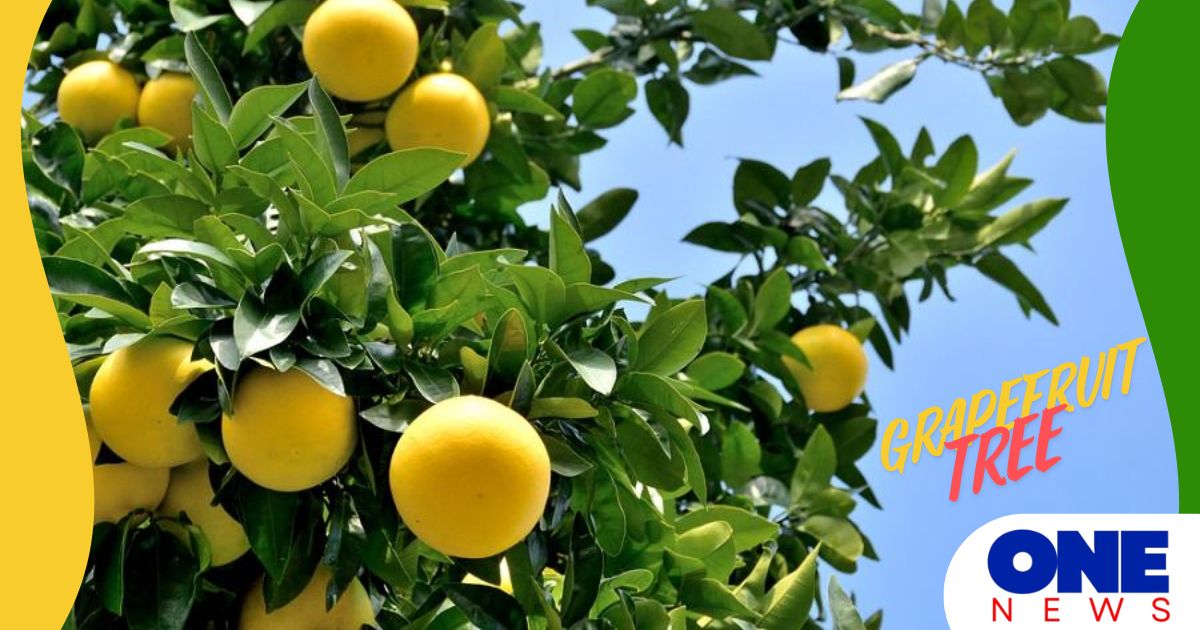
Introduction to the Grapefruit Tree
The grapefruit tree is a striking and productive citrus tree admired for its large, flavorful fruit and year-round evergreen appearance. As a member of the citrus family, it thrives in warm climates and is widely cultivated in tropical and subtropical regions across the world. Beyond fruit production, grapefruit trees add visual charm to gardens with their glossy leaves and fragrant blossoms.
In home gardens and commercial orchards alike, grapefruit trees are valued for their low maintenance requirements once they are well established. They adapt easily to sunny locations, require minimal pruning, and are capable of producing generous harvests year after year. Because of this balance between beauty and productivity, many gardeners choose grapefruit trees for both functional and ornamental purposes.
What truly distinguishes the grapefruit tree from other citrus trees is the impressive size and distinctive flavor of its fruit. Grapefruit is noticeably larger than oranges and lemons and offers a refreshing combination of sweetness and gentle bitterness. The tree itself enhances its appeal by producing shiny green foliage and highly fragrant white flowers, making it an excellent choice for landscaping as well as fruit cultivation.
Botanical Profile and Origin
From a botanical perspective, the grapefruit tree is classified as Citrus × paradisi. It is a naturally occurring hybrid, believed to have developed from a cross between the sweet orange and the pomelo. This hybrid origin explains many of its defining characteristics, including its large fruit size, thick rind, and slightly bitter taste.
The grapefruit tree originated in the West Indies during the 18th century. Early records suggest that it was first discovered growing naturally before being intentionally cultivated for its unique flavor and high juice content. Over time, grapefruit gained popularity as both a fresh fruit and a commercial crop due to its refreshing taste and nutritional benefits.
As trade and agricultural practices expanded, grapefruit cultivation spread from the Caribbean to other tropical and subtropical regions. Today, grapefruit trees are commonly grown in places such as Florida, California, Texas, parts of South America, and Mediterranean regions, where warm temperatures and ample sunlight support healthy growth.
Although grapefruit is often confused with pomelo, the two fruits are different. Pomelo is generally larger, has a thicker rind, and produces less juice. Grapefruit, by contrast, has thinner skin, a juicier interior, and a more pronounced citrus flavor that makes it popular for fresh eating and beverages.
Physical Characteristics of a Grapefruit Tree
The grapefruit tree is an evergreen species, meaning it keeps its leaves throughout the year. This evergreen habit gives the tree a full, lush appearance in all seasons, even when it is not bearing fruit. Its sturdy branches and dense canopy also provide light shade, making it a visually appealing addition to landscapes.
Depending on the variety and growing conditions, a mature grapefruit tree can reach heights ranging from 10 to 45 feet. The canopy spreads broadly, allowing the tree to support heavy fruit loads without structural stress. Dwarf varieties are smaller in size and are especially suitable for home gardens, patios, and container planting.
The leaves of the grapefruit tree are large, thick, and glossy, with a deep green color that reflects good health. These leaves play a vital role in photosynthesis and energy production. Healthy foliage is often a sign that the tree is receiving adequate sunlight, water, and nutrients.
During the flowering season, typically in spring, the tree produces clusters of fragrant white blossoms. These flowers release a strong citrus aroma and attract pollinators such as bees. Successful flowering is essential for fruit formation and signals the beginning of the growing cycle.
Types and Varieties of Grapefruit

Grapefruit is generally classified into three main types based on the color of its flesh: white, pink, and red. Each type offers unique flavor characteristics and nutritional benefits.
White or yellow-fleshed grapefruit is known for its traditional citrus taste and slightly bitter flavor. It is commonly used in juice production and classic citrus recipes.
Pink grapefruit has a milder and more balanced flavor, combining gentle sweetness with light acidity. This variety is popular for fresh consumption and is often added to salads and breakfast dishes.
Red grapefruit is the sweetest of the three types and is rich in antioxidants. Its vibrant color and pleasant taste make it a favorite among consumers who prefer less bitterness.
Several cultivated varieties exist within these categories, each selected for qualities such as fruit size, sweetness, yield, and disease resistance. These varieties are grown worldwide in both commercial orchards and residential gardens.
Climate and Growing Conditions
Grapefruit trees perform best in warm climates with moderate humidity levels. The ideal temperature range for growth is between 65°F and 85°F, which supports healthy flowering, fruit development, and root expansion.
Full sun exposure is essential for optimal growth. Grapefruit trees require at least six to eight hours of direct sunlight each day. Adequate sunlight improves fruit size, sweetness, and overall yield, while insufficient light can result in poor flowering and weak growth.
Cold tolerance in grapefruit trees is limited. They are sensitive to frost, and prolonged exposure to freezing temperatures can damage leaves, flowers, and developing fruit. In cooler climates, protective coverings or container planting allows trees to be moved indoors during cold periods.
The most suitable regions for growing grapefruit trees include tropical and subtropical areas with mild winters and warm summers. Coastal regions with good air circulation are particularly favorable for healthy tree development.
Soil Requirements
Healthy soil is essential for the long-term success of a grapefruit tree. The tree prefers well-drained soil, as standing water around the roots can lead to root rot and fungal infections. Sandy loam soil provides the best balance of drainage and nutrient retention.
The ideal soil pH for grapefruit trees ranges from 6.0 to 7.0, which is slightly acidic. Maintaining proper pH levels ensures efficient absorption of essential nutrients such as nitrogen, potassium, magnesium, and calcium.
Soil quality can be improved by incorporating organic matter like compost, aged manure, or leaf mulch. In areas with heavy clay soil, raised beds help improve drainage and prevent waterlogging.
Grapefruit trees can be grown in both ground soil and containers. Ground planting allows for larger tree size and higher fruit production, while container planting is suitable for small spaces, patios, and regions with colder winters.
Planting a Grapefruit Tree
The best time to plant a grapefruit tree is during spring or early fall, when temperatures are moderate and stress on the young tree is minimal. Planting during these seasons allows the roots to establish before extreme weather conditions occur.
To plant a grapefruit tree, dig a hole that is twice as wide and slightly deeper than the root ball. Place the tree carefully in the hole, ensuring that the root crown remains slightly above soil level. Fill the hole with soil and gently press it down to remove air pockets.
Proper spacing is important for healthy growth and disease prevention. Trees should be spaced at least 15 to 25 feet apart to ensure sufficient airflow and sunlight penetration.
After planting, water the tree thoroughly and apply a layer of mulch around the base to conserve moisture. Keep mulch a few inches away from the trunk to prevent decay and pest issues.
Watering and Irrigation Needs
Young grapefruit trees need regular watering during their establishment phase to help develop strong and deep root systems. Consistent moisture is essential during the first year of growth.
Watering requirements increase during the summer months due to higher temperatures and faster evaporation. Deep watering once or twice a week is usually sufficient, depending on soil type and local climate.
Overwatering should be avoided, as excessive moisture can lead to root rot and nutrient deficiencies. Well-drained soil and controlled irrigation help maintain root health.
Common signs of underwatering include wilting leaves, premature leaf drop, and smaller fruit size. Monitoring soil moisture and adjusting watering schedules ensures steady and healthy tree growth.
Fertilization and Nutrient Needs
Fertilization is essential for maintaining the long-term health and productivity of a grapefruit tree. As a heavy-feeding citrus plant, the grapefruit tree depends on a steady supply of nutrients to support strong leaf growth, abundant flowering, and high-quality fruit production. Without proper nutrition, even a well-watered tree may struggle to thrive.
Essential Nutrients for Healthy Growth
Nitrogen, phosphorus, and potassium are the primary nutrients required by grapefruit trees. Nitrogen promotes healthy leaf growth and deep green foliage, which is necessary for photosynthesis. Phosphorus strengthens root development and supports flower formation, while potassium plays a major role in fruit size, sweetness, and resistance to stress.
In addition to these major nutrients, grapefruit trees also require micronutrients such as magnesium, iron, zinc, calcium, and manganese. Deficiencies in these trace elements can affect leaf color, fruit quality, and overall tree vigor, even when major nutrients are present.
Fertilizer Schedule by Season
Fertilization should follow the natural growth cycle of the tree. Feeding typically begins in early spring when new growth appears and continues through late summer. Young trees benefit from smaller, more frequent applications to encourage steady development. Mature trees usually require fertilization three to four times per year.
Fertilizing during winter should be avoided, as the tree enters a resting phase and does not actively absorb nutrients. Applying fertilizer during this period may lead to nutrient loss and root stress.
Organic vs Chemical Fertilizers
Organic fertilizers such as compost, aged manure, and organic citrus blends improve soil structure and promote beneficial microbial activity. They release nutrients slowly and enhance long-term soil health. Chemical fertilizers provide quicker nutrient availability and are useful when rapid correction of deficiencies is needed.
Many experienced gardeners use a combined approach, relying on organic matter for soil health and supplemental chemical fertilizers when specific nutrient shortages appear.
Common Nutrient Deficiencies
Yellowing leaves are often a sign of nitrogen or iron deficiency, particularly in alkaline soils. Poor fruit size, weak growth, or leaf drop may indicate low potassium or magnesium levels. Regular soil testing allows early detection of these issues and helps maintain balanced nutrition.
Pruning and Maintenance
Grapefruit trees are naturally well-shaped and require only minimal pruning to remain healthy and productive. Their strong branching structure allows them to support heavy fruit loads without frequent intervention.
Why Grapefruit Trees Require Minimal Pruning
Unlike many deciduous fruit trees, grapefruit trees maintain a balanced canopy on their own. Excessive pruning can reduce fruit production, expose branches to sunburn, and slow growth. Light, selective pruning is all that is needed.
Best Time to Prune
Late winter or early spring is the ideal time to prune grapefruit trees. Pruning before new growth begins encourages healthy branching and reduces stress on the tree.
Removing Dead or Diseased Branches
Dead, damaged, or diseased branches should be removed as soon as they are noticed. This practice prevents disease spread and allows the tree to direct energy toward healthy growth and fruit production.
Shaping for Airflow and Sunlight
Light thinning improves air circulation and ensures sunlight reaches the inner canopy. Good airflow reduces the risk of fungal diseases and pest infestations, while proper sunlight exposure improves fruit quality.
Flowering, Pollination, and Fruit Development
The flowering and fruiting stages represent the most critical period in the grapefruit tree’s life cycle. Healthy flowering leads directly to successful fruit production.
Flowering Cycle
Grapefruit trees typically bloom in spring, producing clusters of white, star-shaped flowers. These blossoms emit a strong citrus fragrance and signal the beginning of the fruiting season.
Pollination Process
Pollination occurs naturally through insects, especially bees. Grapefruit trees are self-pollinating, meaning a single tree can produce fruit without the presence of another citrus tree.
Time Required for Fruit to Mature
Once pollinated, fruit development is slow and steady. Grapefruit generally takes 8 to 12 months to fully mature, with fruit often remaining on the tree through winter.
Factors Affecting Fruit Quality and Size
Adequate sunlight, consistent watering, balanced nutrition, and proper spacing all influence fruit sweetness, size, and juiciness. Environmental stress, such as drought or nutrient imbalance, can reduce fruit quality.
Harvesting Grapefruit
Harvesting at the correct time is essential for achieving the best flavor and juice content.
When Grapefruit Is Ready to Harvest
Unlike some fruits, grapefruit does not continue ripening after harvest. Fruit is usually ready between late fall and spring, depending on variety and climate.
Color, Size, and Taste Indicators
Mature grapefruit develops rich yellow, pink, or red coloring. The fruit should feel heavy for its size, indicating high juice content. Taste testing one fruit is the best way to confirm readiness.
Proper Harvesting Techniques
Grapefruit should be cut from the branch using clean pruning shears. Pulling fruit by hand may damage the branch or tear the peel.
Yield Expectations from Mature Trees
Under ideal conditions, a mature grapefruit tree can produce dozens to several hundred fruits per year, depending on tree size and care.
Pests and Diseases
Although grapefruit trees are generally resilient, they can be affected by pests and diseases if growing conditions are poor.
Common Pests Affecting Grapefruit Trees
Aphids, citrus leaf miners, spider mites, and scale insects are the most common pests. These insects damage leaves, weaken growth, and may spread disease.
Common Diseases and Fungal Issues
Root rot, citrus canker, and fungal leaf spots are common problems, particularly in poorly drained soil or humid environments.
Prevention Methods
Proper watering, good air circulation, and regular inspection help prevent most pest and disease issues. Healthy trees are naturally more resistant.
Natural and Chemical Treatment Options
Neem oil, horticultural oil, and insecticidal soap are effective for mild infestations. Chemical treatments may be used for severe cases under proper guidance.
Benefits of Growing a Grapefruit Tree
Growing a grapefruit tree offers benefits that extend beyond fruit harvest.
Nutritional Value of Grapefruit
Grapefruit is rich in vitamin C, fiber, antioxidants, and essential minerals, making it a valuable addition to a healthy diet.
Health Benefits
Regular consumption may support immune function, improve digestion, aid weight management, and promote heart health.
Landscaping and Ornamental Value
With glossy evergreen leaves, fragrant blossoms, and colorful fruit, grapefruit trees enhance garden aesthetics throughout the year.
Economic and Home-Gardening Advantages
Homegrown grapefruit reduces grocery costs and provides fresh, chemical-free fruit straight from the garden.
Common Problems and Troubleshooting
Even well-maintained trees may occasionally show signs of stress.
Yellowing Leaves
Often caused by nutrient deficiencies or poor drainage. Soil testing and proper fertilization usually resolve the issue.
Poor Fruit Production
Insufficient sunlight, excessive pruning, or nutrient imbalance can limit fruit yield.
Fruit Drop
Fruit drop may occur due to drought stress, sudden temperature changes, or over-fertilization.
Growth Issues and Solutions
Correct watering, improved soil conditions, and regular care typically restore healthy growth.
Grapefruit Tree Care Tips for Beginners
Simple Care Checklist
- Provide full sun exposure
- Water deeply but infrequently
- Fertilize during the active growing season
- Inspect leaves and branches regularly
Mistakes to Avoid
Avoid overwatering, heavy pruning, and planting in poorly drained soil.
Seasonal Care Tips
Protect trees from frost in winter, increase watering during hot summers, and fertilize in spring and early summer for best results.
Conclusion
The grapefruit tree is an excellent choice for gardeners seeking a balance of beauty, productivity, and long-term value. Its evergreen foliage, fragrant flowers, and nutritious fruit make it a standout addition to any garden or orchard.
With proper care, sunlight, and nutrition, grapefruit trees can thrive for decades, providing abundant harvests year after year. Whether grown for fresh fruit, health benefits, or ornamental appeal, planting a grapefruit tree is a rewarding and worthwhile investment.
