
Introduction
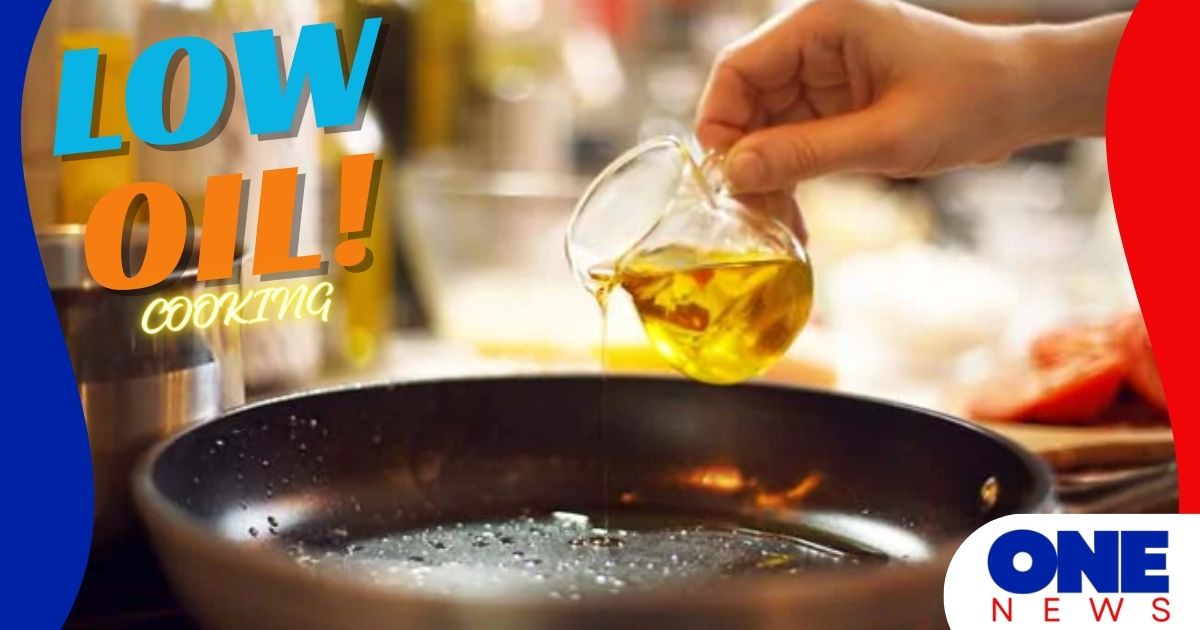
Low oil cooking is a healthy and mindful approach to food preparation that focuses on reducing the amount of oil used while still preserving taste, texture, and nutritional value. Instead of relying on deep frying or heavy oil-based methods, low oil cooking makes use of smarter techniques such as steaming, baking, air frying, grilling, roasting, and sautéing with water or broth. These methods allow food to cook evenly without soaking up unnecessary fats.
In recent years, low oil cooking has gained widespread popularity as people become more aware of health, fitness, and lifestyle-related diseases. Many individuals want to eat healthier meals without sacrificing flavor or satisfaction. Excessive oil intake is closely linked to weight gain, poor digestion, and heart-related problems. By reducing oil consumption, people can better manage calories, support digestion, and improve overall well-being.
Another significant advantage of low oil cooking is flavor clarity. When dishes are not overloaded with oil, the natural taste of vegetables, grains, herbs, and proteins becomes more prominent. This cooking style encourages a deeper appreciation of real food flavors rather than masking them with grease. The purpose of this article is to provide practical, easy-to-follow guidance on low oil cooking methods that can be comfortably used in everyday home kitchens.
Understanding the Role of Oil in Cooking
Oil has been an essential part of cooking for centuries. It helps conduct heat evenly, prevents food from sticking to cookware, and enhances flavor and mouthfeel. Oil also contributes to texture, especially in fried, roasted, and sautéed dishes, giving food a crisp or smooth finish.
However, the main issue arises when oil is used excessively, which is common in modern cooking habits. Large quantities of oil increase the calorie content of food without adding meaningful nutrients. Regular consumption of oily foods can lead to weight gain, high cholesterol levels, heart disease, acidity, and digestive discomfort. Over time, this habit contributes to lifestyle disorders such as obesity, diabetes, and high blood pressure.
It is important to distinguish between necessary fats and excess fats. The human body requires a small amount of healthy fats for energy production, absorption of fat-soluble vitamins, and hormone regulation. However, consuming excess fat—especially from refined oils and deep-fried foods—places unnecessary stress on the body.
There is also a common misconception that low oil or oil-free meals lack taste. In reality, flavor depends far more on cooking techniques, seasoning, freshness of ingredients, and temperature control than on oil quantity. With the right methods, low oil meals can be just as rich, satisfying, and enjoyable as traditional dishes.
Health Benefits of Low Oil Cooking
One of the most important benefits of low oil cooking is improved heart health. Reducing oil intake helps lower bad cholesterol levels and supports healthy blood circulation. Meals prepared with minimal oil are lighter and reduce strain on the cardiovascular system.
Low oil cooking also plays a key role in weight management. Since oil is highly calorie-dense, even small reductions can significantly decrease daily calorie intake. This makes it easier to maintain a healthy weight or lose excess fat without following extreme or restrictive diets.
Improved digestion is another major advantage. Oily and greasy foods often cause bloating, acidity, and heaviness. Low oil meals are easier to digest and help maintain a balanced gut, leading to better energy levels and comfort after eating.
Using less oil also helps preserve the natural nutrients in food. Cooking methods such as steaming, baking, and pressure cooking retain vitamins, minerals, and antioxidants that are often destroyed during deep frying. This results in meals that are both nutritious and wholesome.
Due to these combined benefits, low oil cooking is especially suitable for individuals dealing with diabetes, high blood pressure, obesity, and other lifestyle-related conditions. It promotes long-term health while still allowing people to enjoy flavorful meals.
Core Principles of Low Oil Cooking
Low oil cooking does not mean eliminating oil completely. Instead, it focuses on using oil wisely and in controlled amounts. The goal is balance rather than restriction, ensuring that meals remain enjoyable and nourishing.
One key principle is enhancing natural flavors instead of masking them with oil. Fresh vegetables, whole grains, legumes, and quality proteins naturally contain flavor that can be highlighted using herbs, spices, aromatics, and proper cooking techniques.
Moisture control, heat management, and seasoning are central to this cooking style. Using water, broth, steam, or natural juices allows food to cook evenly while remaining moist and tender. Proper temperature control prevents burning and sticking, reducing the need for extra oil.
Choosing the right cooking method for each ingredient is equally important. Some foods retain nutrients better when steamed, while others develop deeper flavor when grilled or baked. Matching the cooking method to the food ensures better results with minimal oil use.
Effective Low Oil Cooking Techniques

Water or Broth Sautéing
Water or broth sautéing is an effective replacement for oil-based sautéing. Instead of heating oil, a small amount of water or vegetable stock is used to soften vegetables and release their natural flavors.
Liquids should be added gradually, starting with one or two tablespoons and increasing only if needed. This prevents sticking while allowing vegetables to cook evenly without becoming soggy.
Flavor can be enhanced by adding garlic, ginger, onions, herbs, and spices early in the process. These ingredients release aroma and depth even without oil, making dishes flavorful and aromatic.
Steaming and Pressure Cooking
Steaming is one of the healthiest cooking methods available. It requires no oil and helps preserve the color, texture, and nutrients of food. Vegetables, fish, rice, and dumplings are especially well-suited for steaming.
Pressure cooking is another excellent low oil technique. Food cooks quickly using steam and pressure, which locks in nutrients and flavor. A very small amount of oil may be used for tempering, but the majority of cooking relies on moisture.
Both methods result in light, easily digestible meals that retain their natural taste and nutritional value.
Baking and Roasting
Baking is a healthier alternative to frying and works well for snacks, cutlets, vegetables, and main dishes. Foods can be baked with little or no oil while still achieving a satisfying texture.
Dry roasting vegetables and proteins enhances natural sweetness and flavor through caramelization. Using parchment paper or silicone baking mats prevents sticking and eliminates the need for greasing.
These methods are ideal for creating crisp, flavorful meals while keeping oil usage minimal.
Air Frying
Air frying uses rapid hot air circulation to cook food evenly with very little oil. In many cases, only a few drops or a light spray of oil is sufficient.
Foods such as potatoes, vegetables, tofu, and chicken become crispy on the outside and tender inside without deep frying. Air frying delivers taste and texture similar to fried foods while drastically reducing fat content.
This method is especially popular for healthy snacks and quick meals.
Grilling and Pan-Grilling
Grilling allows excess fat to drip away from food, naturally reducing oil content. Direct heat adds a smoky flavor and light charring that enhances taste.
Instead of oil, marinades made from yogurt, lemon juice, vinegar, herbs, and spices can be used to add moisture and flavor. These marinades tenderize food without adding fat.
Maintaining proper heat and using a well-heated pan or grill surface helps prevent sticking and ensures even cooking.
Choosing the Right Cookware
Cookware plays a vital role in successful low oil cooking. High-quality non-stick cookware allows food to cook smoothly with minimal oil and prevents sticking.
Cast iron and ceramic cookware are also excellent options when used correctly. They retain heat well and distribute it evenly, reducing the need for additional oil during cooking.
Good cookware naturally reduces oil dependency and improves overall cooking results. To maintain non-stick surfaces, avoid metal utensils, use gentle cleaning methods, and cook on medium heat. Proper care extends cookware life and supports healthier cooking habits.
Using Natural Fats Wisely
Low oil cooking does not mean completely avoiding fats. In fact, natural fats found in whole foods are essential for a balanced and healthy diet. Ingredients such as nuts, seeds, avocado, olives, coconut, milk, and yogurt naturally contain healthy fats that enhance texture, taste, and nutritional value. These fats are absorbed gradually by the body and provide long-lasting energy without the negative effects of excess cooking oil.
There are certain situations where small amounts of oil remain useful and practical. For example, a few drops of oil can help release aroma while tempering spices, prevent food from sticking, or improve the texture of specific dishes. The key principle of low oil cooking is mindful and intentional use rather than complete elimination.
Portion control plays a crucial role in reducing oil consumption. Measuring oil with a spoon instead of pouring directly from the bottle helps avoid accidental overuse. Oil sprays, silicone brushes, or lightly greasing pans are effective methods to control quantity while still achieving good cooking results.
Choosing the right type of oil is equally important. Oils such as olive oil, mustard oil, groundnut oil, and cold-pressed oils are preferred for low oil cooking because they have strong flavor profiles and work well even in small amounts. Using the correct oil in moderation supports heart health while maintaining taste and aroma.
Flavor Enhancement Without Oil
One of the greatest strengths of low oil cooking is its ability to highlight natural flavors. Spices, herbs, and aromatics form the foundation of delicious low oil meals. Ingredients such as garlic, ginger, onions, cumin, coriander, turmeric, chili, basil, rosemary, and thyme add complexity, warmth, and aroma without depending on oil.
Acidic elements play an important role in balancing flavors. Lemon juice, vinegar, tamarind, tomatoes, yogurt, and fermented ingredients add brightness and freshness to dishes. These components enhance taste and reduce the need for fat-based flavoring.
Slow cooking is another powerful technique for developing deep flavors. Cooking food gently over low heat allows spices, vegetables, and proteins to release their natural juices and blend harmoniously. This results in rich, layered flavors without additional oil.
Dry toasting spices before use is a simple yet effective method to boost aroma. Heat releases the natural oils present in spices, intensifying their fragrance and taste. This technique adds depth to dishes while keeping oil usage minimal.
Common Mistakes to Avoid in Low Oil Cooking
One of the most common mistakes in low oil cooking is using high heat without enough moisture. This can cause food to burn, stick, or cook unevenly. Adding small amounts of water, broth, or natural juices helps control temperature and prevents sticking.
Another frequent issue is skipping proper seasoning. When oil is reduced, seasoning becomes even more important. Using spices, herbs, salt, and acidic ingredients correctly ensures that dishes remain flavorful and well-balanced.
Overcrowding the pan is also a common problem. Too much food in one pan traps moisture, leading to steaming instead of proper cooking. Cooking in small batches allows even heat distribution and better texture.
Finally, many people mistakenly believe that low oil cooking means removing all fat from meals. This is incorrect. Healthy fats from natural sources are still essential for nutrition. The goal is to reduce excess oil, not eliminate fats entirely.
Low Oil Cooking for Everyday Meals
Low oil cooking can be easily adapted to daily eating habits. For breakfast, healthy options include oatmeal, vegetable omelets made with minimal oil, steamed idlis, lightly sautéed poha, fruit bowls, and yogurt-based meals.
Lunch and dinner can feature steamed rice, grilled or baked vegetables, lentil dishes, pressure-cooked curries, soups, and stir-fries prepared with water or broth instead of oil. Traditional recipes can be modified by reducing oil and choosing healthier cooking methods.
For snacks and quick meals, air-fried snacks, dry-roasted nuts, baked cutlets, popcorn without butter, roasted chickpeas, and fresh fruits are excellent choices that are both satisfying and nutritious.
In Indian and Asian cooking, oil usage can be reduced by dry roasting spices, slow cooking gravies, using pressure cookers, and steaming ingredients. Onion-tomato bases can be cooked with water to achieve authentic flavor while keeping oil to a minimum.
Is Low Oil Cooking Sustainable Long-Term?
Low oil cooking is highly sustainable when introduced gradually. Over time, taste preferences adjust, and the body begins to crave lighter, cleaner flavors instead of oily textures.
From a cost perspective, using less oil reduces overall grocery expenses. Low oil cooking often relies on basic ingredients, making it both economical and practical for long-term use.
Family acceptance improves with creativity and consistency. Introducing healthier meals slowly, focusing on taste and variety, and involving family members in food choices helps build lasting habits without resistance.
Sustainability lies in balance. Occasional indulgence is normal, but making low oil cooking a daily practice supports long-term health while still allowing enjoyment of food.
Conclusion
Low oil cooking is a practical, effective, and sustainable approach to healthy eating. By using smarter cooking techniques, natural fats, proper seasoning, and suitable cookware, it is possible to significantly reduce oil without sacrificing flavor or satisfaction.
Starting with small changes and staying consistent helps build long-lasting habits. Simple actions such as measuring oil, choosing healthier cooking methods, and enhancing flavors naturally can lead to meaningful improvements in health.
With awareness and consistency, low oil cooking becomes more than a dietary choice—it becomes a lifestyle that supports heart health, digestion, weight management, and overall well-being, proving that healthy food can truly be delicious.
