
Introduction
Matcha tea is much more than just a drink; it’s a ritual steeped in centuries of tradition and health benefits. This finely ground powder is made from specially cultivated green tea leaves, offering an authentic, vibrant green color that’s both soothing and invigorating. Unlike traditional Matcha tea, where you steep the leaves and discard them, Matcha tea allows you to consume the whole leaf. This means you’re unlocking a wealth of nutrients and antioxidants, providing a natural and sustained energy boost without the crash that often accompanies coffee. Drinking matcha has become a global phenomenon, not just for its rich, earthy flavor, but for its ability to support metabolism, enhance cognitive function, and promote a calm, focused state of mind. Whether you’re looking for a revitalizing morning ritual or an afternoon pick-me-up, matcha is a nourishing, delicious choice.
| Step | Description |
|---|---|
| Adjusting Consistency | Adjust strength by varying the amount of water. For creaminess, add milk or milk alternatives. Use steamed milk for a latte-like texture. |
| Making a Matcha Latte | Add steamed milk or milk alternatives to prepared matcha for a creamy drink. Use high-quality matcha and steam milk to 150°F (65°C) for frothiness. |
| Making Iced Matcha | Whisk matcha with hot water, pour over ice, then add cold water or milk. Optionally, use matcha ice cubes to avoid dilution and adjust sweetness to taste. |
| Sweetening Matcha | Use sweeteners like honey, agave, or stevia. Start with a small amount to complement matcha’s natural flavor without overpowering it. |
| Serving Suggestions | Serve in clear glassware to highlight the vibrant green color. Garnish with matcha powder, lemon slices, or edible flowers. Pair with light snacks or desserts. |
What You’ll Need
Before you can enjoy a cup of matcha tea, gather these essential ingredients and tools to make your tea-making process smooth and enjoyable:
Ingredients:
- Matcha powder: Choose either ceremonial or culinary grade based on your preference (more on this later).
- Hot water: Aim for around 175°F or 80°C – not boiling! This will ensure that the matcha isn’t too bitter.
- Optional sweetener: Honey, stevia, or agave are great choices if you prefer a touch of sweetness.
- Milk or milk alternatives (for a matcha latte): If you’re making a matcha latte, you can use dairy milk or plant-based milk such as almond, oat, or soy.
Tools:
- Sifter: A small sifter or fine mesh strainer will help ensure that your matcha powder is smooth and free of lumps.
- Whisk (Chasen): The bamboo whisk is traditional for preparing matcha, designed to create that frothy, creamy texture. If you don’t have one, any small whisk will do.
- Bowl: A shallow, wide matcha bowl is ideal for whisking, allowing for more movement as you blend the matcha with water.
Choosing the Right Matcha Powder
Not all matcha powders are created equal. When selecting matcha, you’ll encounter two primary types: ceremonial grade and culinary grade.
- Culinary grade matcha is best for mixing into smoothies, baking, or making matcha lattes. It has a stronger, more robust flavor that holds up well when combined with milk or sweeteners.
- Ceremonial grade matcha is of higher quality and offers a smoother, more delicate flavor. It’s the best choice for traditional matcha tea preparation, where the flavor of the matcha shines through.
When choosing your matcha powder, look for a bright green color. This vibrant hue indicates freshness and quality. Choose organic matcha if possible, as it’s grown without pesticides and chemicals, ensuring a cleaner, purer experience.
Sifting the Matcha
One of the most important steps in making matcha tea is sifting the powder. Sifting helps to break up any clumps, ensuring a smooth texture when whisked.
To sift matcha:
- Use a small sifter or a fine mesh strainer to filter the powder into your bowl.
- Gently tap the sifter to allow the matcha to fall through, ensuring an even distribution.
- This simple step eliminates any lumps and results in a smoother, more velvety tea that’s easier to whisk.
Preparing Hot Water (Not Boiling)
Water temperature plays a crucial role in the taste and texture of your matcha. The ideal temperature for matcha tea is around 175°F (80°C)—this is just below boiling point. If the water is too hot, it will scorch the matcha, resulting in a bitter taste. Conversely, water that’s too cool may not fully dissolve the matcha, leaving you with an unpleasant grainy texture.
- To achieve the perfect water temperature, you can bring your water to a boil and then allow it to cool for a minute or two before pouring it over the matcha powder.
- This ensures the delicate flavors of matcha are enhanced without any bitterness.
Whisking the Matcha
Whisking is where the magic happens. A properly whisked cup of matcha should be frothy and smooth, with a slight foam on the surface. This is the key to unlocking its full flavor and creating a delightful drinking experience.
To whisk your matcha:
- Pour the hot water into the bowl with the sifted matcha powder.
- Using a bamboo whisk (or any small whisk), whisk the mixture in a “W” or “M” motion. This technique helps to evenly disperse the matcha and break up any clumps.
- Whisk vigorously for 15-20 seconds. The goal is to create a smooth, frothy texture with tiny bubbles on the surface. This frothy layer indicates that the matcha is well-mixed and ready to drink.
Adjusting the Consistency
One of the most delightful aspects of matcha tea is its incredible versatility. With just a few simple adjustments, you can modify the strength and texture of your matcha to suit your preferences. Whether you like it bold and robust or light and delicate, achieving the perfect consistency is entirely within your control.
- For a stronger matcha: Simply reduce the amount of water you use. Less water will result in a thicker, more concentrated matcha with a fuller flavor.
- For a lighter matcha: Add more water to dilute the tea. This will create a milder flavor, making it refreshing and less intense.
If you prefer a creamier texture, introducing milk or milk alternatives can transform your matcha into a smooth, luxurious beverage. Adding steamed milk—whether dairy or plant-based (such as oat or almond milk)—creates a rich, silky mouthfeel that enhances the flavor and gives your matcha a beautifully frothy finish. This method is perfect for creating that signature matcha latte experience, where the blend of green tea and creamy milk results in a comforting, velvety drink.
Making a Matcha Latte
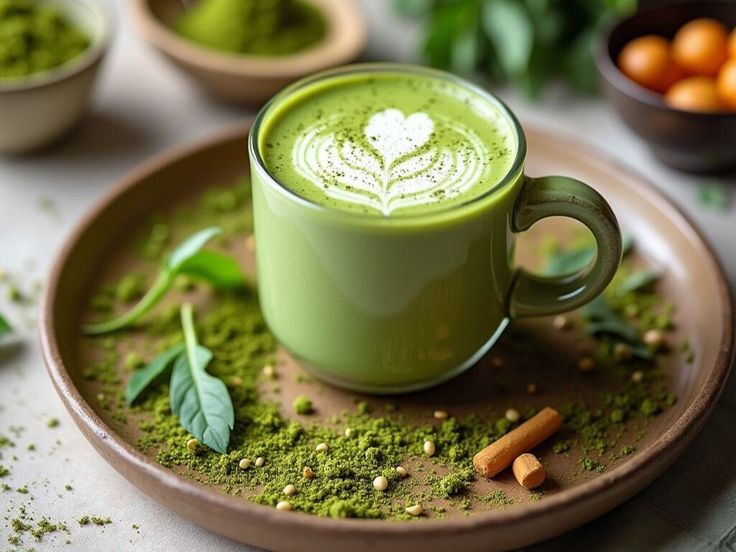
For those who enjoy a creamy, indulgent twist on their matcha, a matcha latte is the perfect choice. This variation combines the earthy, grassy flavor of matcha with the smoothness of steamed milk, creating a beautiful fusion of textures and tastes.
- Start with high-quality matcha powder: The key to a rich, flavorful latte lies in the quality of your matcha. Ceremonial-grade matcha is ideal for this purpose, as it provides a smoother, more refined flavor.
- Steam the milk: Use a milk frother or steam wand to bring your milk to a creamy texture. Aim for a temperature of around 150°F (65°C)—this ensures the milk is hot but not scalded, creating the perfect silky consistency.
- Whisk the matcha: Prepare your matcha as usual, whisking it vigorously to create a smooth, frothy base. Then, gently pour the steamed milk over the matcha and stir to combine. The result should be a visually stunning drink, with the vibrant green of the matcha contrasting beautifully against the creamy milk.
Tips for a Perfect Matcha Latte:
- Add a sprinkle of matcha powder on top of the foam for a beautiful garnish and extra flavor.
- Experiment with different milk alternatives for a unique twist, such as coconut milk for a tropical flair or almond milk for a slightly nutty taste.
Making Iced Matcha
If you’re looking for a refreshing, chilled beverage, iced matcha is the perfect choice, especially on a hot day. Making iced matcha is a breeze and offers a completely different experience compared to the traditional hot version.
To make iced matcha:
- Start by whisking the matcha powder with a small amount of hot water to create a smooth, concentrated matcha base.
- Pour the matcha over a glass of ice, and then add cold water or chilled milk to dilute the matcha to your desired strength. The ice will immediately cool the matcha, making it refreshing and light.
- For an extra burst of flavor, you can even make matcha ice cubes by freezing leftover matcha tea. When these cubes are added to your drink, they won’t dilute the flavor as they melt.
If you like your iced matcha on the sweeter side, try adding a splash of agave syrup, honey, or your preferred sweetener. This will bring out the matcha’s natural sweetness and create a well-rounded, refreshing drink.
Sweetening Matcha
Matcha’s natural flavor profile is a unique combination of grassy, umami notes that can be slightly bitter. To make your matcha more enjoyable, adding a gentle sweetener can balance out the flavors. However, it’s essential to sweeten the tea without overpowering its subtle, earthy taste.
- Honey is a great choice, providing a mild sweetness that complements the flavor of the matcha without overwhelming it.
- Agave syrup is another popular option, offering a smooth, subtle sweetness that dissolves effortlessly into your tea.
- Stevia, a natural, calorie-free sweetener, works well for those looking to avoid sugar but still want a touch of sweetness.
When adding sweeteners, always start with a small amount. Since matcha has a strong flavor, a little sweetness goes a long way. Taste as you go, adding more sweetener if desired, but be careful not to overpower the tea’s natural taste.
Serving Suggestions
Presentation is an essential aspect of enjoying matcha tea. A beautifully prepared matcha not only tastes amazing but also looks stunning. To serve your matcha in style, consider the following ideas:
- Glassware: Serve matcha in clear glassware to highlight its vibrant green color. The visual appeal of the rich, emerald hue makes your matcha more inviting.
- Traditional Matcha Bowl: For an authentic experience, use a traditional matcha bowl. Its wide, shallow shape helps with whisking, and it adds to the overall aesthetic.
- Garnishes: Add a decorative touch with a dusting of matcha powder over the foam, or garnish with a thin slice of lemon, edible flowers, or even a few fresh mint leaves. This not only adds a pop of color but also enhances the flavor.
- Pairings: Matcha pairs wonderfully with light, sweet snacks like mochi, shortbread cookies, or a delicate slice of sponge cake. The subtle bitterness of matcha complements the sweetness of these treats, creating a balanced, delightful pairing.
Conclusion
Making matcha tea is an enjoyable process that allows you to experiment with different textures, flavors, and variations. Whether you prefer your matcha strong and traditional, creamy as a latte, or refreshing over ice, there are countless ways to customize your cup.
We encourage you to explore these variations—try making an iced matcha on a warm day, or indulge in a velvety matcha latte for a more luxurious experience. Don’t be afraid to adjust the sweetness or experiment with different milk alternatives to find the perfect balance that suits your tastes.
No matter how you choose to enjoy it, matcha tea is more than just a beverage; it’s an experience—one that nourishes the body and calms the mind. Enjoy the journey of discovering your ideal matcha blend and savor every sip!
