
Introduction
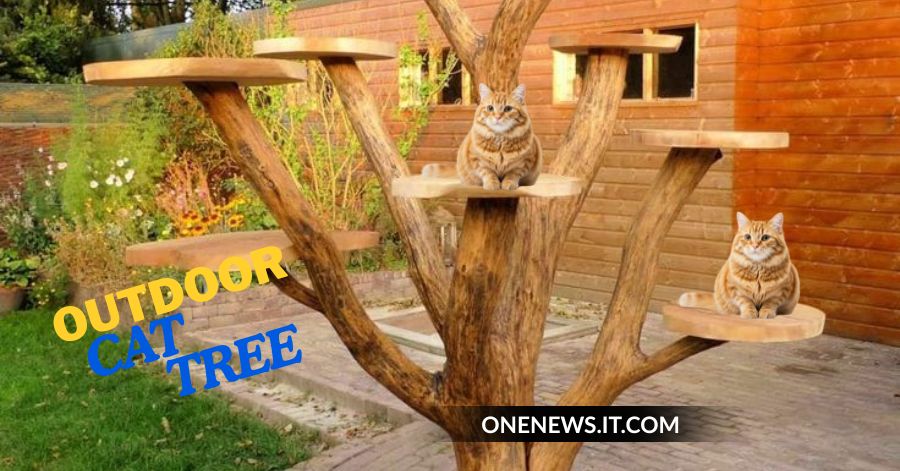
Cats are naturally curious, intelligent, and playful animals. From a young age, they are drawn to climbing high places, scratching surfaces, watching movement, and resting in spots where they feel safe and in control. An outdoor cat tree is thoughtfully designed to support these natural behaviors while allowing cats to enjoy fresh air, sunlight, and outdoor views in a protected environment.
Outdoor enrichment plays a vital role in a cat’s overall health. It stimulates both the body and the mind, helping cats stay active, alert, and emotionally balanced. Without proper stimulation, cats may become bored, anxious, or restless. Outdoor experiences—when provided safely—can reduce stress, improve mood, and encourage healthy movement. Cats that regularly engage with enriched environments often show better behavior, improved confidence, and a calmer temperament.
Although many cat owners are familiar with indoor cat trees, outdoor cat trees are created for a very different purpose. They are built using stronger, weather-resistant materials and designed to remain stable and secure in outdoor conditions. These structures are especially suitable for catio owners, people with backyards or patios, and even those living in apartments with balconies, provided the proper safety precautions are in place.
An outdoor cat tree offers the perfect balance between freedom and safety, allowing cats to explore the outdoors without exposing them to unnecessary risks such as traffic, predators, or harsh weather.
What Is an Outdoor Cat Tree?
An outdoor cat tree is a sturdy, weather-resistant climbing structure made specifically for use outside the home. It typically features multiple levels, scratching posts, platforms, and sheltered areas where cats can climb, rest, hide, and observe their surroundings. Unlike indoor models, outdoor cat trees are designed to withstand rain, sunlight, wind, and temperature changes.
These structures closely mimic a cat’s natural environment. In nature, cats climb trees, jump between branches, sharpen their claws on rough surfaces, and rest in elevated positions where they feel secure. An outdoor cat tree recreates these experiences in a safe and controlled setting, giving cats the chance to behave naturally without danger.
The main purposes of an outdoor cat tree include:
- Climbing, which strengthens muscles and improves coordination
- Scratching, which keeps claws healthy and relieves stress
- Resting, on platforms or inside cozy shelters
- Observing, birds, people, and outdoor activity from a comfortable height
By encouraging these behaviors, an outdoor cat tree supports both physical fitness and mental stimulation, helping cats remain active, engaged, and emotionally satisfied.
Benefits of an Outdoor Cat Tree
One of the greatest advantages of an outdoor cat tree is its ability to encourage regular exercise. Jumping, climbing, and stretching help cats burn excess energy and maintain a healthy weight. This reduces the risk of obesity and related health problems, especially for indoor cats with limited movement.
Outdoor cat trees also strongly support a cat’s instinctual behaviors. Cats have a natural desire to scratch, climb, and observe their territory from elevated positions. When these instincts are fulfilled, cats feel more secure and relaxed, which can lead to improved behavior inside the home.
Mental stimulation is another important benefit. Boredom can often result in destructive habits such as scratching furniture, excessive meowing, or aggression. An outdoor cat tree provides variety, excitement, and mental engagement, reducing stress and unwanted behaviors.
Safety is a key advantage as well. Instead of allowing cats to roam freely outdoors, an outdoor cat tree offers a controlled and secure way to enjoy nature. This significantly lowers the risk of accidents, fights with other animals, or exposure to harmful substances.
Overall, outdoor cat trees enhance a cat’s confidence, happiness, and quality of life, especially for cats that crave outdoor sights and sounds but must remain safely contained.
Outdoor Cat Tree vs Indoor Cat Tree
While indoor and outdoor cat trees serve similar purposes, their design and construction are quite different.
The most noticeable difference is the materials used. Outdoor cat trees are built from treated wood, PVC, or other weatherproof materials, while indoor cat trees often use soft fabrics and untreated wood that are not suitable for outdoor conditions.
Outdoor models are designed for long-term durability and weather resistance. They can withstand rain, sun exposure, and temperature changes without losing stability. Indoor cat trees, if placed outside, may quickly deteriorate or become unsafe.
In terms of size and stability, outdoor cat trees are usually heavier and more solid. This prevents tipping caused by wind or energetic play. Indoor cat trees are lighter and easier to move but offer less stability outdoors.
Placement options also vary. Indoor cat trees are limited to interior spaces, while outdoor cat trees can be installed in catios, gardens, patios, decks, or balconies.
Maintenance requirements differ as well. Outdoor cat trees need regular inspection and care to ensure they remain safe. Choosing between the two depends on your available space, your cat’s lifestyle, and how much outdoor enrichment you want to provide.
Key Features to Look for in an Outdoor Cat Tree
Weather-Resistant Materials
High-quality outdoor cat trees are made from treated wood, cedar, fir, or PVC, all of which resist moisture, rot, and insect damage. Cedar and fir are especially popular due to their natural durability and pest-repelling properties.
Rust-proof hardware, such as stainless steel screws and bolts, ensures long-term strength. Any fabric used should be waterproof and UV-resistant to prevent mold growth, fading, and wear.
Stability and Safety
Stability is essential for outdoor use. A wide, heavy base and strong anchoring options prevent tipping. Anti-slip surfaces on platforms provide better grip, especially during wet or humid conditions.
Always check the weight capacity, particularly if you have a large cat or multiple cats using the structure at the same time.
Scratching Surfaces
Scratching posts are necessary for claw maintenance and stress relief. Sisal rope is widely used because it is tough, natural, and appealing to cats. Some synthetic materials may last longer outdoors but should still offer proper texture.
All scratching surfaces should be securely attached and resistant to weather damage.
Platforms, Perches, and Levels
Multiple levels allow cats to climb naturally and choose their preferred height. Observation decks give cats a peaceful place to relax while watching outdoor activity.
Jump spacing should match your cat’s physical ability. Younger cats enjoy higher jumps, while senior cats benefit from lower, wider platforms.
Hideaways and Shelters
Shelters and enclosed boxes offer comfort, privacy, and protection. These spaces shield cats from sun, wind, and light rain while providing a quiet place to rest. Shy or anxious cats especially benefit from having a secure hiding spot.
Best Places to Install an Outdoor Cat Tree
An outdoor cat tree should always be placed in a safe, familiar, and stable location.
- Inside a catio: Offers full outdoor experience with maximum protection
- Backyard or garden: Ideal when fenced or closely supervised
- Patio or deck: Convenient, stable, and easy to monitor
- Balcony: Requires strong railings, safety netting, and secure anchoring
- Near windows: Encourages indoor-outdoor interaction and visual stimulation
The right placement ensures your cat feels comfortable and uses the structure regularly.
Safety Tips for Using an Outdoor Cat Tree
Always secure the cat tree using anchors or mounts to prevent tipping, especially in windy areas. Regularly check all screws, joints, and platforms for looseness or wear.
Protect cats from potential predators by using enclosed spaces or supervised areas. Monitor weather conditions and avoid use during extreme heat, storms, or freezing temperatures.
Keep the surrounding area free of toxic plants and hazardous objects. Perform routine inspections to replace worn ropes, damaged wood, or unstable platforms before they become unsafe.
With consistent care and attention, an outdoor cat tree can remain safe, comfortable, and durable for many years, providing endless enjoyment for your cat.
Outdoor Cat Tree for Different Types of Cats
Every cat is unique. Age, size, energy level, and personality all influence how a cat interacts with an outdoor cat tree. Choosing the right design ensures not only enjoyment, but also long-term comfort and safety.
Kittens
Kittens are naturally playful and curious, but they are still developing coordination and strength. An outdoor cat tree for kittens should focus on low platforms, short climbing distances, and stable surfaces. Gentle climbing helps kittens build balance and confidence without putting stress on their growing joints.
Soft landing areas and enclosed spaces are especially important. Small hideaways give kittens a sense of security while allowing them to observe their surroundings. This combination of safety and exploration helps young cats grow into confident, well-adjusted adults.
Adult Active Cats
Adult cats often have high energy levels and strong climbing abilities. For them, an outdoor cat tree with multiple levels, taller structures, and wide jumping spaces works best. These features encourage physical activity, muscle development, and mental engagement.
High perches and observation decks allow adult cats to rest after play while still enjoying outdoor sights and sounds. This balance between movement and relaxation keeps active cats satisfied and calm.
Senior Cats
As cats age, comfort and accessibility become more important than height or challenge. Outdoor cat trees designed for senior cats should include low steps, wide platforms, ramps, and non-slip surfaces. These features reduce strain on aging joints and muscles.
Covered resting areas provide warmth and protection, making outdoor time comfortable even for older cats. With the right design, senior cats can continue to enjoy fresh air and gentle movement without discomfort.
Large or Heavy Breeds
Large or heavy cat breeds require extra strength and stability. An ideal outdoor cat tree for these cats should feature thick platforms, reinforced posts, and a solid, wide base. Strong construction prevents wobbling and ensures safe movement.
Weight capacity is especially important. A sturdy design allows large cats to climb, stretch, and rest with confidence, without the risk of tipping or collapse.
Multi-Cat Households
In homes with more than one cat, space and structure matter even more. An outdoor cat tree with multiple platforms, separate resting areas, and enclosed hideaways helps reduce competition and territorial behavior.
Providing vertical space allows cats to choose their own levels, creating harmony and reducing stress. This is especially helpful in maintaining peaceful interactions between cats with different personalities.
Maintenance and Care
Regular maintenance keeps an outdoor cat tree safe, clean, and durable. A well-maintained structure not only lasts longer but also provides a healthier environment for your cat.
Cleaning Outdoor Materials
Outdoor cat trees naturally collect dust, fur, and moisture. Cleaning surfaces regularly with mild soap and water helps prevent buildup and odors. Wooden and plastic parts should be dried thoroughly before reuse.
Avoid strong chemicals, as they can be harmful to cats and damage materials over time.
Protecting from Rain, Snow, and Sun
Continuous exposure to weather can shorten the life of an outdoor cat tree. Placing it under partial shelter or using waterproof covers helps protect against rain and snow. UV-resistant materials prevent fading, cracking, and weakening caused by sunlight.
Simple protective steps greatly extend durability.
Seasonal Maintenance Tips
At the start of each season, inspect the entire structure. Tighten loose screws, check joints, and look for cracks or splinters. In colder months, limit exposure to freezing temperatures whenever possible to prevent material damage.
Seasonal checks help catch small issues before they become safety concerns.
Replacing Worn Scratching Posts
Scratching posts experience the most wear. Frayed sisal rope or damaged scratching panels should be replaced promptly. Fresh scratching surfaces maintain claw health and keep cats engaged, while preventing splinters or sharp edges.
DIY Outdoor Cat Tree vs Buying One
When choosing an outdoor cat tree, many owners debate between building one themselves or purchasing a ready-made model.
Pros and Cons of DIY
DIY outdoor cat trees allow for full customization and can feel rewarding to build. However, they require tools, planning, and knowledge of safe, weather-resistant materials. Poor design or weak construction can lead to instability and safety risks.
Cost Comparison
DIY projects may seem cheaper at first, but costs can add up quickly when factoring in materials, tools, and time. Pre-built outdoor cat trees often cost more upfront but include professionally tested designs and durable materials.
Skill and Time Requirements
Building a safe outdoor cat tree requires carpentry skills and significant time. For those without experience, buying a professionally designed option is usually safer and more reliable.
When Buying Is the Better Option
Buying is ideal for cat owners who value convenience, durability, and peace of mind. Store-bought models are specifically engineered for outdoor use, making them a dependable long-term investment.
How to Train Your Cat to Use an Outdoor Cat Tree
Not all cats use a new structure immediately. Gentle training helps build confidence and interest.
Introducing It Gradually
Place the outdoor cat tree in a familiar, calm area. Allow your cat to explore naturally without pressure. Patience is key during the early stages.
Using Treats and Catnip
Placing treats, toys, or catnip on platforms encourages curiosity. This positive reinforcement helps cats associate the cat tree with enjoyable experiences.
Encouraging Positive Association
Praise your cat calmly when it climbs or rests on the tree. Over time, this positive feedback builds confidence and comfort.
Common Mistakes to Avoid
Avoid moving the cat tree frequently or placing it in loud, busy areas. Sudden changes can cause stress and discourage use.
Common Mistakes to Avoid
Avoiding common mistakes ensures long-term safety and satisfaction.
- Choosing materials that are not weather-resistant
- Ignoring stability and proper anchoring
- Placing the cat tree in exposed or unsafe locations
- Buying a size that does not match your cat’s needs
- Skipping regular inspections and maintenance
Being mindful of these issues helps protect both your cat and your investment.
Are Outdoor Cat Trees Worth It?
Outdoor cat trees offer excellent long-term value for both cats and owners.
Cost vs Long-Term Value
Although the initial cost may be higher, a durable outdoor cat tree can last for years, reducing replacement costs over time.
Impact on Cat Health and Behavior
Regular outdoor enrichment improves physical health, mental stimulation, and emotional balance. Cats often become calmer, more confident, and less destructive indoors.
Peace of Mind for Cat Owners
Knowing your cat can safely enjoy the outdoors provides comfort and reassurance, reducing daily stress for pet owners.
Final Thoughts
An outdoor cat tree is more than a play structure—it is a meaningful investment in your cat’s well-being. It supports exercise, mental stimulation, and safe outdoor enjoyment.
By choosing a design that prioritizes safety, durability, and enrichment, you create a healthier and more fulfilling environment for your cat. In return, you gain peace of mind knowing your pet can explore the outdoors safely and happily.
A high-quality outdoor cat tree enhances your cat’s quality of life and strengthens the bond between you and your feline companion.
