
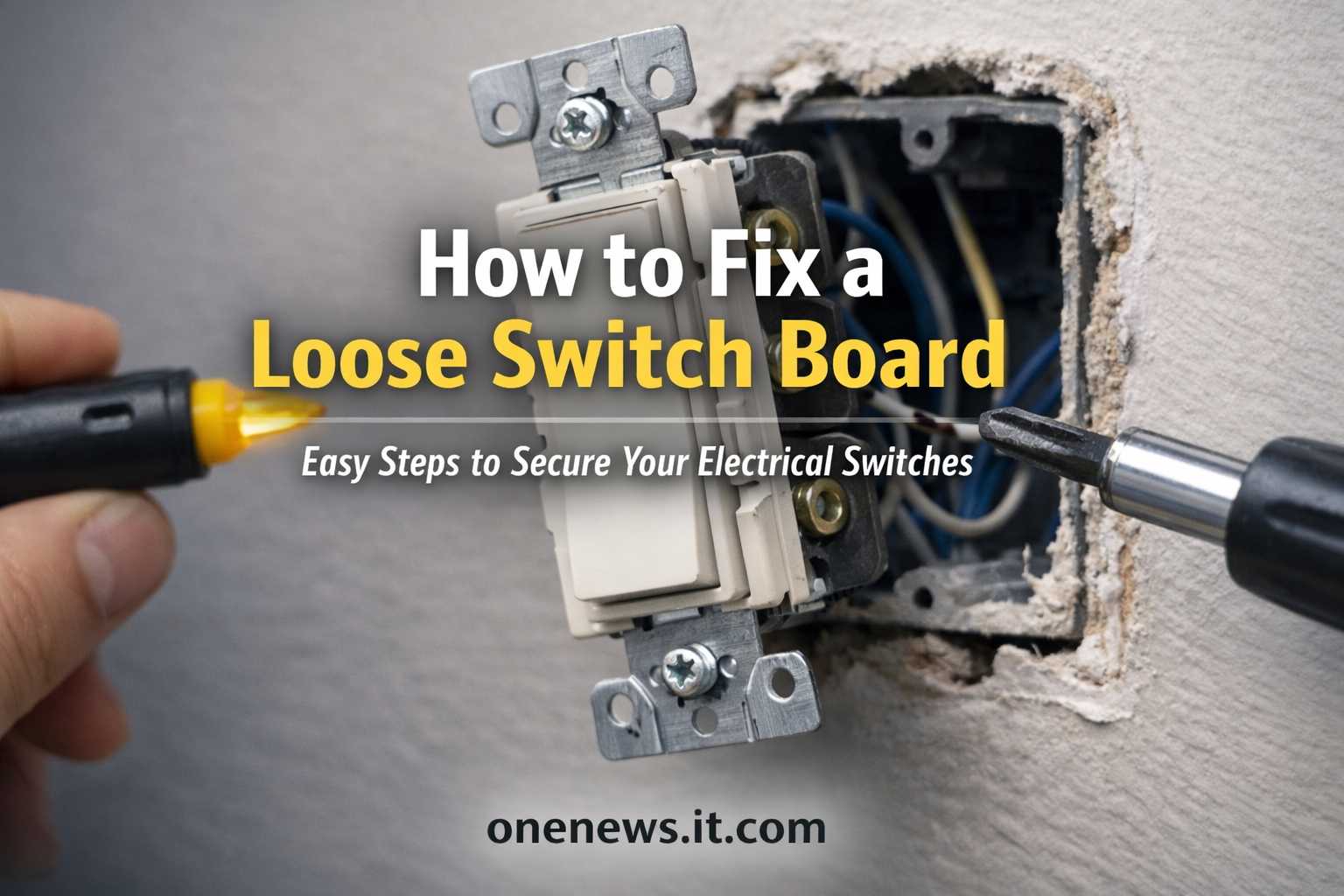
Introduction
A switch board is an essential part of your home’s electrical system. It holds light switches and power controls securely in place and allows you to operate lights and appliances safely. When installed correctly, it remains firm and stable for many years. However, with time, regular use, weak fittings, or poor installation can cause the switch board to become loose.
When a switch board is loose, it may tilt, shake, or move when you press it. This not only feels uncomfortable but also signals a potential safety issue. In some cases, the internal wires may become exposed, increasing the risk of electric shock, short circuits, or fire hazards. In addition, a loose switch makes your wall look untidy and poorly maintained.
Fixing a loose switch board on time is important for both safety and appearance. A properly secured switch improves electrical reliability, reduces risks, and keeps your home looking neat, modern, and professional.
Causes of a Loose Switch Board
There are several reasons why a switch board may become loose over time. One of the most common causes is worn-out mounting screws. When screws become old, rusty, or stripped, they lose their grip and cannot hold the switch firmly in place.
Another major reason is a loose or damaged electrical box inside the wall. If this box shifts, cracks, or breaks, the switch will not remain stable. Wall material shrinkage or damage, especially in drywall walls, can also weaken screw support and cause movement.
Improper installation is another frequent issue. If the switch board was not aligned properly during installation, it may start loosening within a short time. Additionally, frequent use, vibration, and daily pressure from switching on and off slowly weaken the fittings, leading to instability.
Understanding these causes helps you choose the right repair method and prevent future problems.
Safety Precautions Before You Start
Before starting any electrical repair, safety should always be your top priority. Begin by turning off the power supply from the main breaker or circuit panel. This protects you from electric shocks and accidental short circuits.
After switching off the power, use a voltage tester to confirm that there is no electricity flowing through the switch. This extra step ensures complete safety and prevents hidden risks.
Always wear safety gloves and use insulated tools while working. Avoid touching wires with bare hands. Make sure your hands are dry and the surrounding area is clean and moisture-free. Wet conditions can increase the chance of electrical accidents and must be avoided.
Taking proper safety precautions makes the repair process secure and stress-free.
Tools and Materials Needed
To fix a loose switch board correctly, you will need some basic tools and materials. A flathead and Phillips screwdriver are necessary for removing and tightening screws. A voltage tester is essential for checking live current.
You may also need electrical spacers or a box extender if the switch box is set too far inside the wall. Wall anchors are useful for strengthening weak drywall. Keep replacement screws ready in case the old ones are damaged or stripped. A new cover plate is optional if the old one is cracked, faded, or broken.
Step-by-Step Guide to Fix a Loose Switch Board
Step 1: Turn Off the Power Supply
First, locate the circuit breaker that controls the switch. Turn it off completely. After that, use a voltage tester to confirm that no power is reaching the switch. Never begin work without completing this step, as it protects you from serious injury.
Step 2: Remove the Cover Plate
Using a screwdriver, carefully unscrew the cover plate. Remove it gently and place the screws in a safe container so they do not get lost. Handle the plate carefully to avoid cracks or bending.
Step 3: Inspect the Switch and Electrical Box
With the cover removed, closely inspect the switch and electrical box. Look for stripped, loose, or broken screws. Gently press the box to check if it moves inside the wall. Also, examine the wall area for cracks, gaps, or loose plaster.
This inspection helps you find the exact reason behind the looseness and choose the correct solution.
Step 4: Tighten Mounting Screws
Align the switch properly inside the electrical box. Make sure it sits straight and centered. Tighten the mounting screws evenly on both sides.
Do not over-tighten, as this may damage the threads or crack the wall. Proper tightening provides balance, stability, and smooth operation.
Step 5: Use Spacers or Box Extenders (If Needed)
If the electrical box is recessed inside the wall, spacers or box extenders are required.
Use spacers when the switch sits slightly deeper than the wall surface. Place them between the switch and the box to fill the gap.
If the box is deeply recessed, install a box extender. Attach it securely so the box becomes level with the wall. Adjust the depth carefully to ensure a perfect fit.
These tools help create a solid mounting surface for long-term stability.
Step 6: Fix Loose Electrical Box (If Required)
If the electrical box itself is loose, tighten its mounting screws first. For weak drywall, use wall anchors to improve grip.
In damaged areas, reinforce the wall using fillers, brackets, or support plates. A strong and stable electrical box is the foundation of a secure switch board.
Step 7: Reattach the Cover Plate
Once the switch is fixed, place the cover plate back in position. Align it carefully and tighten the screws gently. Avoid using excessive force, as plastic plates can crack easily.
Make sure the plate lies flat against the wall for a clean and professional finish.
Step 8: Restore Power and Test
Turn the circuit breaker back on. Test the switch by turning it on and off several times. Check that it works smoothly and remains firm.
If the switch does not move or tilt, the repair has been done successfully.
How to Fix a Loose Switch Board in Drywall vs Brick Walls
Repair methods differ depending on wall type.
In drywall walls, screws often loosen due to soft material. Wall anchors, spacers, and reinforcement plates are commonly used to improve grip and stability.
In brick or concrete walls, electrical boxes are usually fixed with cement or strong fittings. If looseness occurs, stronger screws, plugs, or masonry anchors may be needed. Sometimes, special tools such as hammer drills are required.
For drywall, focus on reinforcement and anchoring. For brick walls, focus on strong fastening and proper drilling. Using the right method ensures durability, safety, and a long-lasting repair.
Common Mistakes to Avoid
When fixing a loose switch board, many homeowners unknowingly make small mistakes that later turn into serious electrical problems. One of the most dangerous mistakes is working without turning off the power supply. Even a small amount of live current can cause electric shock, burns, or severe injury. Always switch off the circuit breaker before starting any repair work.
Another common mistake is over-tightening screws. While it may seem that tighter is better, excessive force can strip screw threads, crack wall material, or damage the electrical box. Instead of improving stability, this weakens the entire structure and makes future repairs more difficult.
Ignoring damaged wiring is another major safety risk. If you notice burnt marks, loose connections, frayed insulation, or exposed wires, do not continue with basic repairs. Damaged wiring can lead to power failure, overheating, or fire hazards. Such issues require immediate professional attention.
Using the wrong screw size is also a frequent problem. Screws that are too small cannot hold the switch firmly, while oversized screws may damage the box. Always use manufacturer-recommended screws for proper fitting.
Finally, skipping voltage testing is a serious safety mistake. Even after turning off the breaker, some circuits may still carry residual current. Using a voltage tester helps confirm that the area is completely safe and prevents unexpected accidents.
When to Replace Instead of Repair
In certain situations, repairing a loose switch board is not enough. Replacement becomes the safer and more reliable option. If the switch feels weak, loose from inside, cracked, or unresponsive, it may have internal damage that cannot be fixed easily.
Visible burn marks, sparks, buzzing sounds, or a burning smell near the switch are serious warning signs. These indicate overheating, faulty wiring, or poor connections, which can quickly lead to electrical fires. In such cases, immediate replacement is necessary to protect your home.
Old or outdated switch boards may also need replacement. Older models often lack modern safety features and may not meet current electrical standards. They are more prone to faults and overheating.
Cracked, faded, or broken cover plates should also be replaced. These plates protect internal wiring from dust, moisture, and physical contact. Damaged plates reduce insulation and increase safety risks.
Replacing worn-out components improves electrical performance, enhances safety, and gives your home a cleaner, more modern appearance.
When to Call a Professional Electrician
Although many loose switch board repairs can be handled at home, some situations require expert knowledge and professional tools. If you face complex wiring issues, tangled cables, or unclear connections, it is best to contact a licensed electrician.
Repeated looseness is another warning sign. If the switch becomes loose again and again after repairs, there may be hidden problems inside the wall, such as broken boxes, weak framing, or damaged wiring.
If you experience electrical shocks, flickering lights, popping sounds, or unusual heat from the switch, stop using it immediately. These symptoms indicate serious electrical faults that should never be ignored.
For commercial buildings, industrial facilities, or high-voltage systems, always rely on trained professionals. Electricians follow safety codes, use certified materials, and ensure compliance with regulations, preventing costly damage and legal issues.
Calling a professional at the right time protects your property and ensures long-term electrical safety.
Maintenance Tips to Prevent Loose Switch Boards
Regular maintenance is the most effective way to prevent loose switch boards in the future. Inspect your switches every few months to check for movement, cracks, discoloration, or unusual behavior. Early detection helps you fix small issues before they become major problems.
Proper installation is also very important. Always ensure switches are aligned correctly and fixed with suitable screws, anchors, and spacers. Poor installation is one of the main causes of early loosening.
Avoid applying excessive force when pressing switches. Gentle use reduces wear on internal parts and extends the lifespan of fittings. Teach children and family members to use switches carefully.
Keep the area around switches clean and dry, especially in kitchens, bathrooms, and laundry rooms where moisture is common. Moisture can weaken fittings and damage wiring.
Using high-quality materials, certified components, and standard tools ensures better durability, reliability, and electrical safety over time.
Cost of Fixing a Loose Switch Board
The cost of fixing a loose switch board depends on several factors, including repair method, wall type, and wiring condition. For DIY repairs, the cost is usually low. Basic tools, screws, spacers, and plates typically cost between $5 and $20, depending on quality and brand.
Professional electrician services are more expensive but offer guaranteed safety and long-term reliability. On average, professional repairs may cost between $50 and $150 per switch, depending on labor charges, complexity, and location.
Additional factors that affect price include damaged wiring, wall repairs, replacement parts, emergency visits, and accessibility of the switch.
Although professional repair costs more, it helps prevent future breakdowns, accidents, and expensive electrical damage.
Frequently Asked Questions (FAQs)
Is it safe to fix a switch board myself?
Yes, minor repairs are safe if you turn off power, use proper tools, and follow safety guidelines. For complex issues, hire a professional.
How long does the repair take?
Most basic repairs take 15 to 30 minutes. Advanced repairs may take longer depending on damage.
Can a loose switch cause fire?
Yes. Loose connections can overheat, create sparks, and increase fire risk. Prompt repair is essential.
What if screws don’t tighten properly?
Use wall anchors, spacers, or new screws. If the box is damaged, install a box extender or replace it.
How often should I check switches?
Inspect switches every 3 to 6 months or during regular home maintenance.
Inspect switches every 3 to 6 months or during regular home maintenance.
Conclusion
Fixing a loose switch board is an important part of home electrical maintenance and safety management. By following proper safety steps, using the right tools, and applying correct repair techniques, you can restore stability and reliable performance.
Always turn off the power, inspect the electrical box carefully, tighten screws evenly, and use spacers or extenders when required. Avoid common mistakes and replace damaged parts when repair is no longer safe.
Electrical safety should never be ignored. Regular inspection, quality installation, and timely maintenance protect your home, family, and valuable property. With responsible handling and simple preventive care, you can keep your switch boards secure, durable, and trouble-free for many years.
